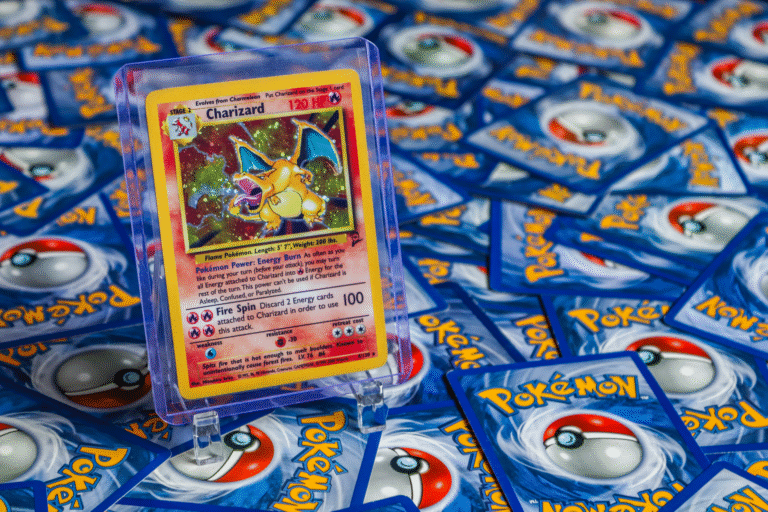
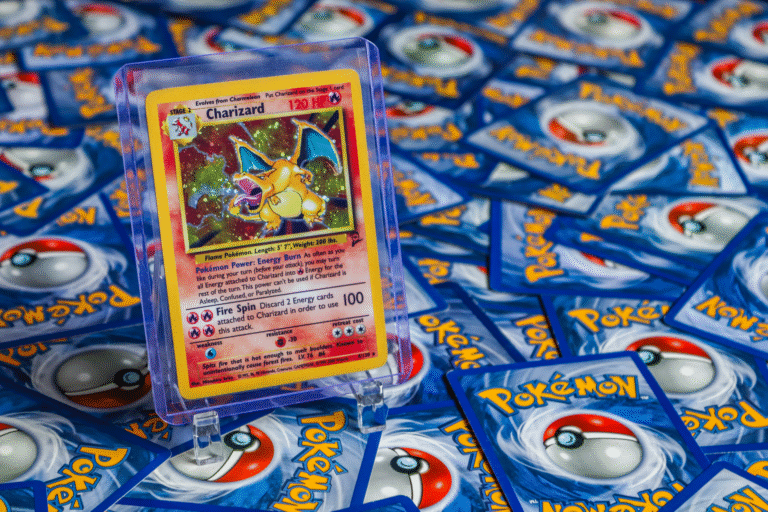
As of April 11, 2026, a raw Giovanni’s Machamp 1st Edition Holo from the Gym Challenge set will cost you $132.42 based on the most recent confirmed market sale. This Stage 2 Fighting-type card (#006/132) from the 2000 Pokémon Gym Challenge expansion has become a significant piece in many collectors’ portfolios, commanding solid pricing due to its vintage status and relative scarcity. However, collectors should note that this card’s price has been softening—it declined $17.57 (11.7%) over the past 30 days, reflecting broader market trends in mid-tier vintage holos.
Understanding Giovanni’s Machamp pricing requires looking beyond the raw card values. The market for this particular card spans multiple platforms including TCGPlayer, eBay, and specialty dealers like Collector’s Cache, where you’ll find both raw and graded copies available. For those considering graded versions, PSA-graded copies command premium prices well above the raw card value, with PSA 8 copies regularly appearing on eBay at significantly higher price points. The gap between raw and graded pricing illustrates an important principle in Pokemon card collecting: condition and authentication matter substantially.
Table of Contents
- What Determines Giovanni’s Machamp Market Price?
- The Role of Edition and Condition in Giovanni’s Machamp Valuation
- Market Availability and Seller Options for This Card
- Should You Buy Raw or Graded, and at What Price Point?
- Price Volatility and Risk Factors for Giovanni’s Machamp
- Comparing Giovanni’s Machamp to Other Gym Challenge Holos
- Market Outlook and Collecting Perspective
- Conclusion
What Determines Giovanni’s Machamp Market Price?
The pricing for Giovanni’s Machamp depends on several interconnected factors that affect its market position within the broader vintage Pokemon card landscape. Condition is paramount—the difference between a near-mint raw card at $132 and a PSA 8 graded version can easily be several hundred dollars. The card’s vintage status (from 2000), its rarity as a 1st Edition Holo, and artwork by the legendary Ken Sugimori all contribute to baseline demand. Beyond these constants, market sentiment shifts significantly; the recent 11.7% decline suggests collectors may be adjusting valuations downward, possibly due to broader economic conditions or shifting collecting priorities.
Historical precedent matters here. Gym Challenge holos have generally held value better than other vintage sets, but they’re not immune to corrections. Giovanni’s Machamp sits in a middle tier—more desirable than common holos but less sought after than holofil cards from shadowless sets or first-edition base set cards. When comparing to other Gym Challenge holos of similar era and condition, you’ll find price ranges that validate the $132 baseline for raw cards, though particularly high-graded versions can fetch multiples of this amount.

The Role of Edition and Condition in Giovanni’s Machamp Valuation
The “1st Edition” designation significantly impacts this card’s pricing compared to unlimited printings of the same card. 1st Edition Gym Challenge cards typically command 30-50% premiums over their unlimited counterparts, and Giovanni’s Machamp follows this pattern. However, a critical limitation exists: the visibility of print lines or other manufacturing markers can substantially affect the perceived condition, and many collectors find that raw 1st Edition Gym Challenge cards from this era show visible wear even when described as “lightly played.” Condition assessment represents one of the largest sources of pricing variance.
A card graded PSA 9 could be worth 2-3 times the raw price, while a PSA 7 might only command a 20-30% premium. The risk for buyers is that getting a card professionally graded costs $15-$30 per card with turnaround times now stretching weeks, making the economics work only for cards you believe will reach PSA 8 or higher. Many collectors have been burned by submitting cards they thought were PSA 8 candidates only to receive PSA 6 or PSA 7 grades, turning a $132 card into a $180-$220 card that didn’t justify the grading cost.
Market Availability and Seller Options for This Card
Currently, the card is available through several established channels. TCGPlayer hosts listings from numerous sellers, eBay features both auction and fixed-price formats (plus graded versions from various sellers), and specialty retailers like Collector’s Cache maintain their own buylist. The presence of multiple sellers indicates reasonable liquidity—you won’t struggle to find the card, but you also won’t find steep discounts. Prices tend to cluster around the $125-$145 range for raw cards in played to lightly-played condition.
One practical consideration: purchasing from different marketplaces yields different experiences. TCGPlayer generally offers buyer protection and consistent pricing but may charge higher asking prices. eBay allows negotiation with some sellers and features auctions that occasionally dip below market rate, but requires careful seller vetting. Specialty retailers like Collector’s Cache offer authentication confidence but typically price at-market or slightly above. For buyers specifically seeking graded versions, eBay dominates the PSA 8+ market, though supplies fluctuate based on recent grading submissions returning from PSA’s service centers.

Should You Buy Raw or Graded, and at What Price Point?
The decision between raw and graded depends entirely on your collecting goals and risk tolerance. If you’re a casual accumulator building a set, a raw copy at $132 makes sense—you get the card, you own the vintage holo, and you avoid the grading gamble. If you’re a serious investor or grade-focused collector, the math becomes more complex. A PSA 8 might cost $300-$400, but it offers authentication and stability in value that raw cards don’t guarantee.
The tradeoff is that you’re paying a significant premium ($168-$268 more) for benefits that only matter if you eventually sell, and if market conditions shift further downward, even PSA 8 copies could decline in value. Consider this realistic example: a collector purchased Giovanni’s Machamp at $150 as a raw card six months ago. Today that same card is worth $132, representing an 12% loss. Had they instead spent $350 on a PSA 8, they’d likely see it valued around $320-$330 today—a similar percentage decline. Raw cards offer lower entry cost and less capital at risk, while graded cards provide clearer condition documentation but concentrate risk in the grading cost investment.
Price Volatility and Risk Factors for Giovanni’s Machamp
The 11.7% decline over 30 days suggests heightened volatility. This isn’t unusual for vintage cards—they’re sentiment-driven assets without intrinsic value, meaning trends can shift quickly. One significant risk is grading inflation: if PSA adjusts grading standards (tightening or loosening) across their population, the relative value of previously-graded cards shifts immediately. Another risk is market saturation; if collectors collectively decide to liquidate Gym Challenge holos, prices could compress further. There’s also the risk of counterfeiting, particularly with high-value Gym Challenge cards, which is why the authentication services like PSA exist—but PSA isn’t infallible, and some early 2000s slabs have been questioned regarding accuracy.
The vintage Pokemon market also faces structural headwinds. The generation of collectors who grew up with these cards is aging, and younger collectors prioritize different sets and modern cards. This demographic shift could create long-term pressure on 1990s-2000s holo prices. Additionally, unlimited printings of Gym Challenge holos continue to surface from old collections, increasing supply and potentially depressing prices further. If you’re considering Giovanni’s Machamp as an investment rather than a collecting passion project, the recent price decline should prompt caution.
Comparing Giovanni’s Machamp to Other Gym Challenge Holos
Within the Gym Challenge set, Giovanni’s Machamp ranks as a solid mid-tier card. It’s more valuable than most common holos but trails cards like Giovanni’s Nidoking or Blaine’s Arcanine, which command higher prices due to their featured Gym Leader status and artwork appeal. When you compare the $132 price point to similar Stage 2 holos from the same set, you’ll find Giovanni’s Machamp positioned fairly—perhaps $10-$15 above the average Stage 2 holo but below the most sought-after cards.
The Ken Sugimori artwork doesn’t have the distinctive prestige that some other illustrators’ work commands, which partly explains the moderate-rather-than-premium pricing. An interesting comparison point: Gym Challenge holos as a category have held value better than Base Set 2 holos and worse than Shadowless holos, establishing a middle ground in the vintage Pokemon pricing hierarchy. This positioning means Giovanni’s Machamp will likely remain available and moderately priced rather than becoming either a bargain or a chase card.
Market Outlook and Collecting Perspective
Looking forward, Giovanni’s Machamp will probably remain stable in the $120-$150 range for raw cards, barring significant Pokemon Company announcements or collecting trend shifts. The set has achieved vintage status, which provides a floor to pricing, but the card doesn’t have the scarcity or prestige to command rapid appreciation. For collectors, this means it’s a “buy when you see it at fair price” card rather than a “chase aggressively” or “avoid completely” card.
The recent price softness might present an entry point for collectors who’ve been watching the card, though there’s no guarantee prices won’t decline further before stabilizing. The long-term outlook depends on broader trends in vintage Pokemon collecting. As PSA continues to process backlogs and grading costs stabilize, we may see more raw cards submitted for grading, which could suppress raw card prices but strengthen graded pricing tiers. The influx of new collectors focusing on modern cards and the gradual age of Generation 3 collectors suggests a potential long-term headwind for 2000-era cards, but these shifts play out over years rather than months.
Conclusion
Giovanni’s Machamp 1st Edition Holo from Gym Challenge is currently priced at $132.42 for raw cards based on recent marketplace data, though this represents an 11.7% decline from prices just 30 days prior. The card sits in a solid middle-tier position within the vintage Pokemon market—valuable enough to represent a meaningful investment, but not scarce or iconic enough to command premium pricing.
Collectors considering this card should evaluate whether they’re buying for collection enjoyment or for investment speculation, as that decision drives whether a raw card or graded version makes economic sense. When shopping for this card, monitor TCGPlayer, eBay, and specialty retailers for the best pricing, be realistic about condition assessment if considering grading, and understand that vintage card markets fluctuate based on collecting sentiment and demographic trends. The recent price decline reflects broader market softness rather than specific issues with the card itself, positioning Giovanni’s Machamp as a reasonable acquisition at current levels for collectors who appreciate the 2000 Gym Challenge set.
You Might Also Like
- verified sold listings across major TCG marketplaces for Gym Challenge Giovanni’s Gyarados 1st Edition Holo
- verified sold listings across major TCG marketplaces for Gym Challenge Erika’s Vileplume 1st Edition Holo
- verified sold listings across major TCG marketplaces for Gym Challenge Blue’s Pidgeot 1st Edition Holo
Frequently Asked Questions
How much is a PSA 10 Gym Challenge Giovanni's Machamp 1st Edition Holo worth?
Gym Challenge Giovanni's Machamp 1st Edition Holo PSA 10 value is tracked from verified sold listings across eBay, TCGplayer, Goldin, and Fanatics Collect. Recent sales determine the current market price, which shifts month to month based on supply, condition, and demand.
Is Gym Challenge Giovanni's Machamp 1st Edition Holo a good investment?
Long-term trend data for Gym Challenge Giovanni's Machamp 1st Edition Holo is on this page. Vintage Pokemon cards in PSA 10 condition have historically appreciated, but performance varies by set, popularity, and grading population. Compare the monthly trend on this chart to similar cards before deciding.
Where can I see Gym Challenge Giovanni's Machamp 1st Edition Holo sold listings?
We aggregate verified sales from eBay, TCGplayer, Goldin Auctions, and Fanatics Collect. The recent-sales section on this page shows individual transactions with date and price.