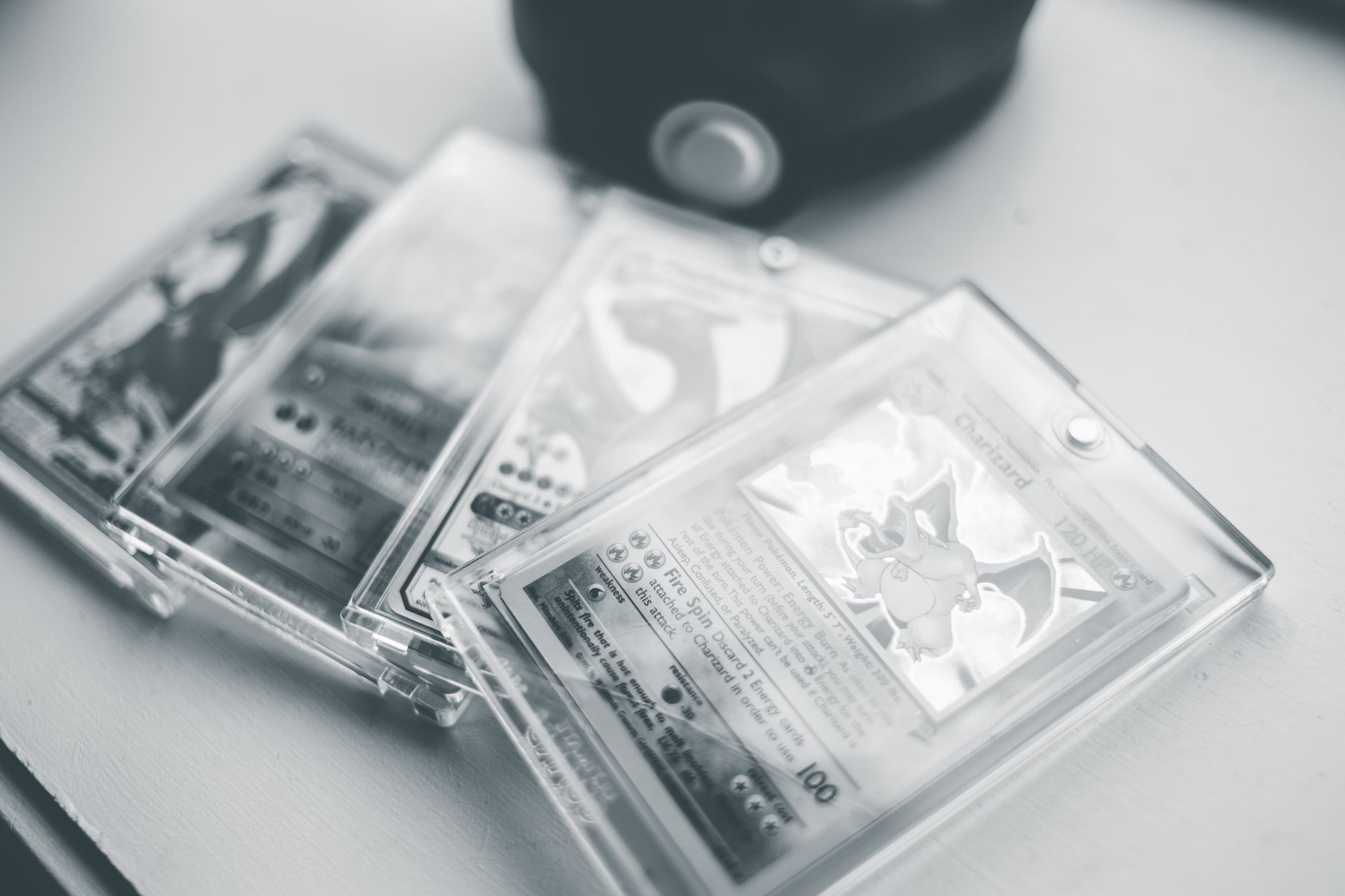
The EX Emerald Breloom non-holo card (card #22/106) typically ranges from $15 to $80 depending on condition, with lightly played copies usually settling between $25 and $45. The non-holo version trades significantly cheaper than its holographic counterpart, which can exceed $150 in near-mint condition. Prices fluctuate based on where you buy—TCGPlayer, CardMarket, eBay, and CardTrader each maintain different seller networks, which means the same card in identical condition can cost $10 more on one platform than another.
The EX Emerald set released in 2005 as part of the Diamond & Pearl era expansion block, and Breloom remains a moderately sought-after card due to its reasonable attack costs and Stage 1 evolution line viability in casual play. Because it’s neither a high-value chase card nor a bulk common, pricing for non-holo copies tends to stabilize around fair market value rather than spike unpredictably. If you’re shopping for this card right now, checking multiple marketplaces before buying is essential—the difference between a good deal and an overpay can easily be $15 to $20.
Table of Contents
- Where to Find Current Breloom EX Emerald Non-Holo Pricing
- Understanding Card Condition and Its Critical Effect on Value
- Historical Price Performance of EX Emerald Breloom
- Comparing Prices Across Marketplaces in Practice
- Counterfeit Cards and Market Red Flags
- Non-Holo Versus Holo—Why Collectors Price Them Differently
- Using Marketplace Pricing Tools to Track Your Breloom Over Time
- Frequently Asked Questions
Where to Find Current Breloom EX Emerald Non-Holo Pricing
Multiple marketplaces track this card actively. TCGPlayer aggregates prices from dozens of individual sellers and displays price trends over time, making it useful for spotting whether the market is moving up or down. CardMarket (the European standard for card trading) shows ask and bid prices separately, giving you insight into what sellers actually want versus what buyers are offering. eBay hosts thousands of individual listings, though completed sales data requires filtering through active auctions to find what the card actually sold for recently.
CardTrader functions as a peer-to-peer marketplace where you can message sellers directly, sometimes negotiating prices, especially on larger purchases. When checking these sources, note that each marketplace charges different fees to sellers, which affects final prices you see. TCGPlayer sellers typically price higher because the platform takes a percentage cut, while CardTrader sometimes shows lower prices because fees are lower. A card listed at $35 on TCGPlayer might be $30 on CardMarket, not because of condition differences but because of platform economics. eBay listings vary wildly—individual sellers set their own prices, and auction format can push prices higher or lower depending on bidder competition on that particular day.
Understanding Card Condition and Its Critical Effect on Value
Condition grading fundamentally controls Breloom EX Emerald non-holo pricing more than any other factor. A near-mint copy (graded PSA 8 or higher) can reach $60 to $100, while the same card in light play condition drops to $20 to $35. The difference comes down to visible wear: creases, corner rounding, light surface scratches, and centering defects are all deductions that graders assess. For this specific card, a common issue is light whitening on the edges from regular handling, since the card is 19 years old and many copies were played rather than stored immediately in sleeves.
One critical limitation: most marketplace listings don’t provide third-party grading (PSA, BGS, or CGC), meaning you’re buying based on the seller’s own assessment. This introduces risk. A seller might describe a card as “near mint” when it’s actually light play, especially if they haven’t handled vintage cards before. Buying raw (ungraded) cards requires trusting the seller’s photos and their return policy—if the card arrives in worse condition than photos suggested, you need a clear avenue to dispute the sale. On eBay, this is straightforward; on some smaller platforms, dispute processes are slower.
Historical Price Performance of EX Emerald Breloom
The EX Emerald set has experienced two distinct price periods. From 2015 to 2021, prices for non-holo cards from this set remained stable and low—$5 to $15—because pokémon TCG wasn’t a mainstream investment category. Starting in late 2021, when vintage Pokémon surged due to broader collectible demand, even mid-tier cards like Breloom began climbing. Non-holo copies jumped from $10-15 range to $25-40 over about 18 months.
However, the surge has plateaued; prices haven’t climbed dramatically since late 2023, suggesting the market has found a sustainable range for this particular card. This stability is useful information for collectors deciding whether to buy now or wait. Unlike chase cards that spike 50% in a single month, Breloom EX Emerald non-holo has been predictable—hovering between $20 and $50 for the past 18 months with only seasonal fluctuations. If you’re buying for collection purposes rather than speculation, you’re not likely to feel buyer’s remorse by waiting a few months; the price probably won’t drop dramatically, but it probably won’t skyrocket either. For sellers, this means you shouldn’t expect to make a profit if you buy at $40 and resell at $45—you’ll lose money to marketplace fees and shipping.
Comparing Prices Across Marketplaces in Practice
A practical price-checking workflow saves money. Start on TCGPlayer and filter for non-holo copies in light play to lightly played condition—you’ll see a price range with multiple sellers. Write down the cheapest price plus shipping. Then check CardMarket for the same condition; European shipping might cost more depending on your location, but if you’re in Europe or willing to wait for international delivery, you might find a better deal. Next, run a specific eBay search for completed listings of this card to see what collectors actually paid in the last 30 days—this shows real market transactions, not just asking prices.
The tradeoff between platforms matters. TCGPlayer is fastest for domestic US shipping (often 2-5 days) and includes buyer protection, but prices run higher. CardMarket is cheapest for European buyers but requires handling international shipping and currency conversion. eBay auctions can surprise you—a card might close at $18 if few bidders are interested, or spike to $55 if two collectors get in a bidding war. eBay “Buy It Now” listings with firm prices remove auction uncertainty but often sit at $35-45 because sellers price accordingly. For a casual collector just wanting a copy, checking all three takes 15 minutes and often saves $8 to $15 versus buying from the first result.
Counterfeit Cards and Market Red Flags
Counterfeit EX Emerald cards exist, though they’re less common than fakes of high-value cards like Base Set Charizard. However, because Breloom non-holo isn’t expensive, some sellers might not authenticate carefully. Red flags include suspiciously low prices—if you find a near-mint copy for $12 when the market average is $35, it’s probably either misgraded, damaged, or counterfeit. Another warning sign is vague photography; sellers who provide only one blurry photo or don’t show the back of the card are increasing risk.
High-quality fakes can copy the front well but fail on card stock texture, print quality on the back, or the exact font weight of text. When buying from unfamiliar sellers, especially international sellers on platforms like CardTrader, request additional photos before purchasing—specifically the back of the card and a close-up of the holofoil (or lack thereof, since this is non-holo). A non-holo EX Emerald Breloom should have zero shimmer or holofoil pattern; if a seller’s photo shows any reflective holo on a card listed as non-holo, they’ve either mislabeled it or listed the wrong card. Request a video walkthrough if the price is over $40. These precautions take five minutes and prevent expensive mistakes.
Non-Holo Versus Holo—Why Collectors Price Them Differently
The holographic version of Breloom EX Emerald (#22/106) commands a 3x to 5x price premium over the non-holo. A holo near-mint copy runs $150 to $250, while the non-holo equivalent sits at $50 to $100. This gap exists because holographic cards were printed in lower quantities—holo packs had fewer cards per booster, so fewer holos entered circulation compared to non-holos. Collectors pursuing a complete set often need both versions, driving demand for holos.
Non-holo buyers are usually either budget-conscious or building casual collection copies rather than pursuing premium examples. For newer collectors, it’s worth understanding that “non-holo” doesn’t mean defective or lesser quality—it simply means a different print treatment. The card has identical gameplay stats and artwork; the only difference is the absence of the holographic shimmer. Some collectors actually prefer non-holos because they photograph better (no glare from holofoil) and age more uniformly without holo wear patterns.
Using Marketplace Pricing Tools to Track Your Breloom Over Time
Both TCGPlayer and CardMarket provide price-history graphs showing how Breloom non-holo has traded over the past 12 to 36 months. These tools let you set price alerts, notifying you when the market price drops below a threshold you specify. If you’re looking to buy and you set an alert for $25, you’ll know if the price dips into that range.
Conversely, if you own a copy, checking these trend lines periodically tells you whether the market is softening or heating up—useful information before listing your copy for sale. Pikawiz aggregates pricing data across multiple sources and shows comparative trends, though it’s less detailed than TCGPlayer’s native tools. For serious collectors building large sets, tracking these prices over time reveals patterns: holiday seasons sometimes see increased buying pressure, which ticks prices up slightly; winter months occasionally see more casual sellers liquidating collections, which adds supply. None of these movements are dramatic for a card like Breloom, but a $5 difference matters when you’re buying five or ten cards from the same set.
Frequently Asked Questions
Is the non-holo Breloom EX Emerald worth grading and submitting to PSA?
Generally no. Grading and shipping costs run $30 to $50, which consumes most of your profit margin if the card grades below 8. A PSA 8 copy might sell for $60, but after grading fees, you’re left with $15 net. Only grade if you own a pristine copy that might grade 9 or higher, or if you’re completing a graded set where aesthetics and consistency matter more than raw dollar value.
How do non-holo cards from EX Emerald compare to other Stage 1 evolution Pokémon from the same set?
EX Emerald’s Stage 1 non-holos (Breloom, Kirlia, Vibrava, and others) trade in similar ranges—$15 to $50 depending on condition. Breloom is neither the most nor least expensive; it sits middle of the pack. More desirable cards like Rare Holos or EX cards command higher prices, while bulk Stage 1 commons sit at $5 to $10.
Can I find better pricing on non-holo Breloom outside these four major marketplaces?
Occasionally. Local card shops, regional Facebook trading groups, and in-person card shows sometimes have better deals, but you can’t return cards the way you can on major marketplaces. You’re also seeing single listings rather than price trends, making it harder to judge if $30 is fair or overpriced. Stick with major marketplaces if you want buyer protection and market transparency.
Why does the same card cost $35 on one platform and $28 on another?
Platform fees, currency conversion, shipping costs, and seller competition all contribute. TCGPlayer sellers typically price higher because the platform takes 8% to 10% commission. CardMarket’s lower fees mean sellers can list cheaper. eBay varies wildly based on seller preference. These differences are market-normal and not signs of fraud or mispricing.
Should I buy multiple copies of Breloom EX Emerald non-holo as an investment?
Not particularly. The price is stable but not appreciating—you’d be holding inventory with no clear upside. Buy copies because you collect EX Emerald or need them to complete sets, not because you expect the price to double in two years. The market for this card is mature and settled.
What’s the best condition to buy if I’m on a budget?
Light play to moderately played ($15 to $30) offers the best value. These cards show visible wear but no major creases or stains. The jump in price from moderately played to lightly played is often 50% ($15 to $25), while the visual improvement is modest. For collection display purposes where the card stays in a binder, light play is indistinguishable from lightly played at arm’s length.
You Might Also Like
- Price Charting for EX Emerald Blaziken Non-Holo
- Price Charting for EX Team Rocket Returns Rocket’s Zapdos Non-Holo
- Price Charting for EX Team Rocket Returns Rocket’s Suicune Non-Holo