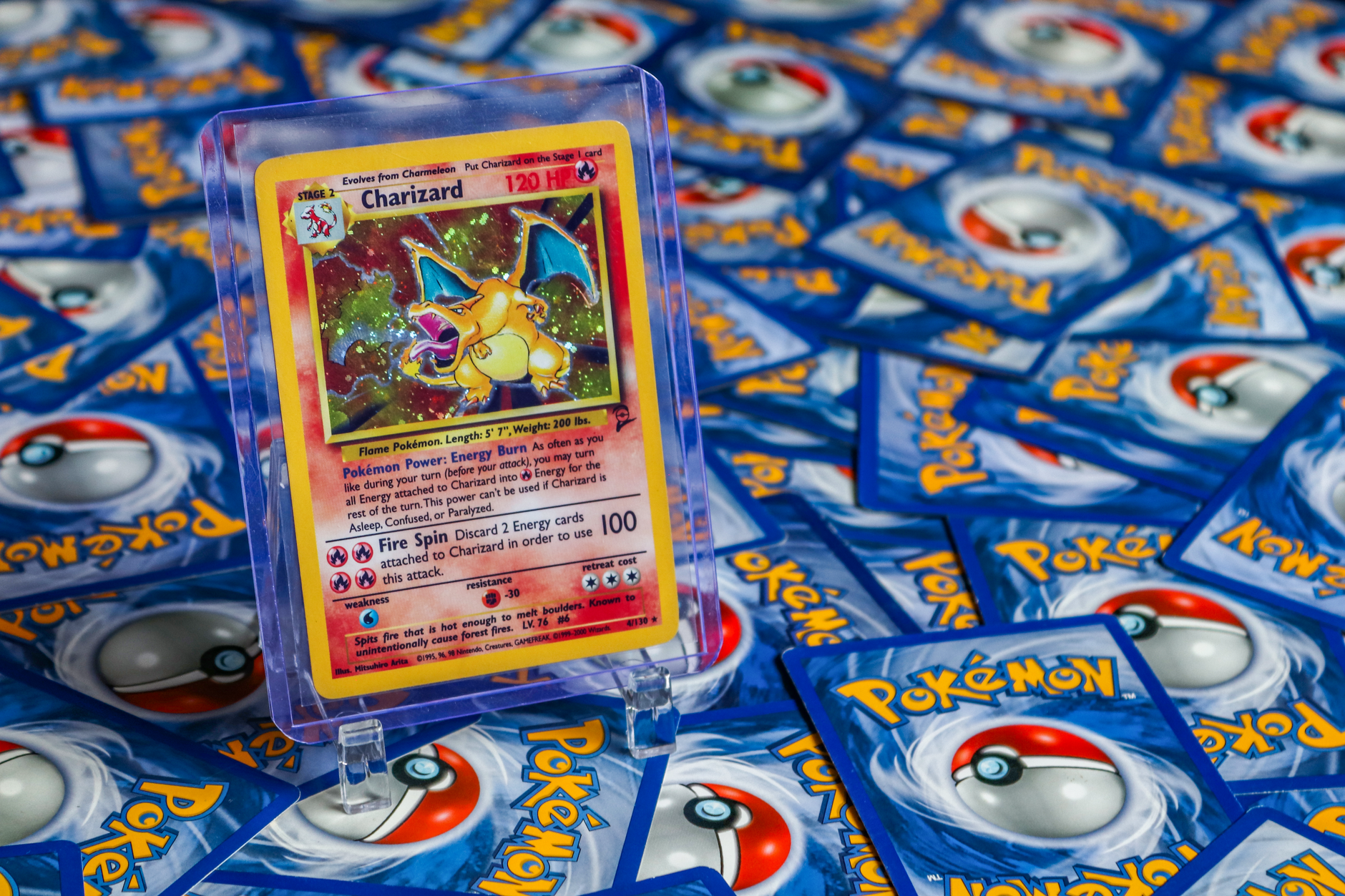
The Pokemon Storm Emeralda Booster Box with Mega Rayquaza and Hoenn Region cards represents a focused product for collectors seeking cards from one of Pokemon’s most recognizable game regions. A booster box typically contains 36 sealed packs, with each pack holding around 10-11 cards, giving collectors the volume needed to pursue complete sets or hunt for rare holofoil variants. For players interested in Hoenn-era cards specifically—the region featured in Ruby and Sapphire—these boxes offer a way to acquire multiple copies of relevant cards without buying singles at potentially higher markups.
The appeal of region-specific booster boxes lies partly in nostalgia and partly in mechanical depth. Collectors who grew up with Hoenn Region games often prioritize completing Pokedex collections from that era, and having a focused product reduces the chance of pulling cards irrelevant to that goal. Mega Rayquaza, as one of Hoenn’s signature legendary Pokemon, typically features as a chase card in sets themed around the region, making its inclusion in the box structure a key selling point for both casual and serious collectors.
Table of Contents
- Why Do Hoenn Region Cards Command Collector Attention?
- What’s Actually Inside a Booster Box, and What Are the Limitations?
- Mega Rayquaza’s Role in Modern Pokemon Card Collecting
- Evaluating Booster Box Value and Purchase Timing
- Spotting Counterfeit Boxes and Protecting Your Purchase
- Proper Storage and Condition Preservation
- Secondary Market Dynamics for Opened Box Contents
- Frequently Asked Questions
Why Do Hoenn Region Cards Command Collector Attention?
Hoenn Region cards maintain steady collector demand because Ruby and Sapphire remain among the most popular pokemon games ever released. The generation introduced double battles, weather-dependent mechanics, and a roster of Pokemon that resonate with a specific age cohort now in their thirties with disposable income. Cards from this era—whether original 2002 reprints or newer versions in modern booster boxes—carry both gameplay relevance for competitive formats and sentimental value for nostalgic buyers.
Mega Rayquaza specifically has appeared in multiple Pokemon TCG sets over the years, from its original Hoenn-themed releases to more recent competitive formats. Each interpretation of the card differs in stats, abilities, and artwork, creating sub-collectors who pursue every version. A booster box focused on Hoenn cards increases the probability of hitting multiple Rayquaza variations compared to a general rotation set, making it more efficient for this niche collecting goal.
What’s Actually Inside a Booster Box, and What Are the Limitations?
A standard booster box contains 36 packs sealed in a cardboard case. Opening the entire box typically yields between 360 and 396 cards, depending on the specific set’s pack composition. Of those cards, only a small percentage will be holofoil rares or secret rares—usually under 15% of the total pull. This means opening a full box doesn’t guarantee a complete set, and rare pulls remain random, creating situations where collectors receive multiple copies of common cards but only a handful of the cards they actually want.
One significant limitation is that booster boxes don’t guarantee any specific rare card. A collector could open the entire Storm Emeralda box and pull zero Mega Rayquaza holofoils, or pull several depending on luck. This randomness is why many collectors compare single-card purchases on the secondary market against the cost of opening boxes—if a specific Mega Rayquaza variant sells for $50 on the market, but the box costs $150 with a 5% pull rate for that card, buying the single is mathematically more efficient. Additionally, newer booster boxes often carry significant markups above original MSRP during high-demand periods, making the expected value of box opening uncertain when purchased at inflated prices.
Mega Rayquaza’s Role in Modern Pokemon Card Collecting
mega Rayquaza represents a high-impact card in any Hoenn-focused set because of its historical significance and visual appeal. In competitive play, Rayquaza has cycled in and out of Standard formats depending on the card’s abilities and attack costs. For collectors, this translates to varying demand across different printings—a Rayquaza from an older, discontinued set often carries higher secondary market value than a current-rotation version, even if statistically identical.
The Mega Evolution mechanic itself is largely retired from modern Pokemon TCG, replaced by other power-scaling systems like V-Star and Tera types. This makes older Mega Rayquaza cards feel somewhat antiquated from a gameplay perspective, but it increases their appeal as collectible artifacts. A player pulling a Mega Rayquaza holofoil from Storm Emeralda holds a card that connects to both Hoenn nostalgia and the specific era when Mega Evolution dominated competitive formats. For set completionists, Mega Rayquaza is typically a target card that drives purchasing decisions around the whole box.
Evaluating Booster Box Value and Purchase Timing
The actual value of a booster box depends on several factors beyond the cards it might contain. Original MSRP for modern booster boxes is typically $90 to $120, but secondary market prices fluctuate based on set demand, supply constraints, and hype cycles. A Hoenn-focused box might maintain closer to MSRP if released during a slower collecting period, or spike to $180 or more if released during a Pokemon TCG boom or regional shortage. Checking multiple retailers before committing to a purchase can reveal price discrepancies of $30 to $50 per box.
Timing also affects expected value. Buying immediately after a set’s release typically means paying peak prices, while waiting three to six months often brings retail prices down as hype normalizes. However, the trade-off is that supply becomes harder to find at all, so patient buyers risk missing out entirely if the box goes out of print. For Hoenn Region enthusiasts, this creates a practical dilemma: pay a premium for immediate access, or wait and potentially be unable to find the product at any price.
Spotting Counterfeit Boxes and Protecting Your Purchase
Pokemon TCG product counterfeiting has become sophisticated enough that visual inspection alone cannot reliably distinguish legitimate booster boxes from fakes. Common red flags include shrink-wrap that feels overly thick or thin, printing inconsistencies on the box itself, and packs that open too easily or have loose seals. Buying from authorized retailers—official Pokemon Center stores, established card shops, or major e-commerce platforms with buyer protection—reduces risk substantially compared to purchasing from third-party marketplace sellers or international resellers.
One specific warning: individual packs cannot be genuinely inspected before purchase, so a seller claiming to have “pre-opened” or “searched” a booster box and removed certain packs is a major red flag for potential tampering. Likewise, booster boxes priced significantly below going rates from reputable sources often indicate counterfeits or damaged product. If you discover after opening that a booster box contains consistently off-color cards, irregular cardstock, or misaligned printing across multiple packs, contact the seller immediately and request return authorization rather than opening more packs.
Proper Storage and Condition Preservation
Booster boxes, once opened, degrade faster than sealed boxes due to exposure to humidity and light. Cards pulled from Storm Emeralda packs should be stored in soft sleeves and top-loaders for higher rares to prevent bending, creasing, and edge wear. The cardboard booster box itself offers little protection once unsealed, so many collectors transfer their opened packs’ cards to binder pages or card cases.
Humidity control matters significantly—storing cards in basements or attics where moisture fluctuates can lead to holofoil warping and mildew over months. For rare pulls like Mega Rayquaza holofoils, immediate sleeving and placing in dry storage preserves value. Some collectors use card grading services like PSA or BGS to encapsulate high-value pulls, which stabilizes condition and can increase secondary market value. A Mega Rayquaza graded 9 or higher by a reputable service typically commands higher prices than an ungraded near-mint copy, offsetting the grading fee for cards worth $100 or more.
Secondary Market Dynamics for Opened Box Contents
Once a booster box is opened, its individual cards immediately lose the premium that sealed product commands. A booster box might sell for $140, but its 36 packs’ contents, when sold as individual packs or opened cards, typically total less than $100 combined. This assumes average luck on rare pulls; if you hit a valuable Mega Rayquaza variant, you might recover costs, but statistically most opened boxes result in a small financial loss.
The secondary market for commons and uncommons from Storm Emeralda follows print-run size—if the set was widely distributed, bulk commons cost pennies per card. But if it was limited production or regionally exclusive, even commons can hold modest value. For serious collectors, the real question isn’t whether opening pays off financially, but whether the specific cards you pull add value to a personal Hoenn collection or Rayquaza collection beyond what you could buy as singles.
Frequently Asked Questions
Is a booster box a good investment?
Booster boxes are collector products, not reliable investments. Most unopened boxes depreciate over time unless production is extremely limited. If treating as an investment, factor in storage costs and the risk of counterfeits or condition degradation.
How many rares should I expect from one booster box?
A typical booster box yields 8 to 12 holofoil or reverse-holofoil rares, depending on pack composition. Specific cards like Mega Rayquaza are not guaranteed, even from a box themed around that card.
What’s the difference between a booster box and a booster bundle?
Booster boxes contain 36 packs, while bundles typically contain 8 to 10 packs. Boxes offer better per-pack pricing and are preferred by collectors seeking volume; bundles suit casual players.
Should I grade Rayquaza cards pulled from this box?
Only grade if the card is in exceptional condition and the variant is valuable enough to warrant the $15 to $50 grading fee. Common variants rarely justify professional grading costs.
Where’s the safest place to buy a Storm Emeralda booster box?
Authorized retailers and established card shops with return policies are safest. Avoid marketplace sellers with limited feedback or prices significantly below market rate.
You Might Also Like
- Pokemon booster box drops under $183 at major retailers this week
- Pokemon TCG Chaos Rising Booster Packs Now Available To Order Online
- Pokemon Booster Set 36 Packs Sealed Complete 2025 Edition Available