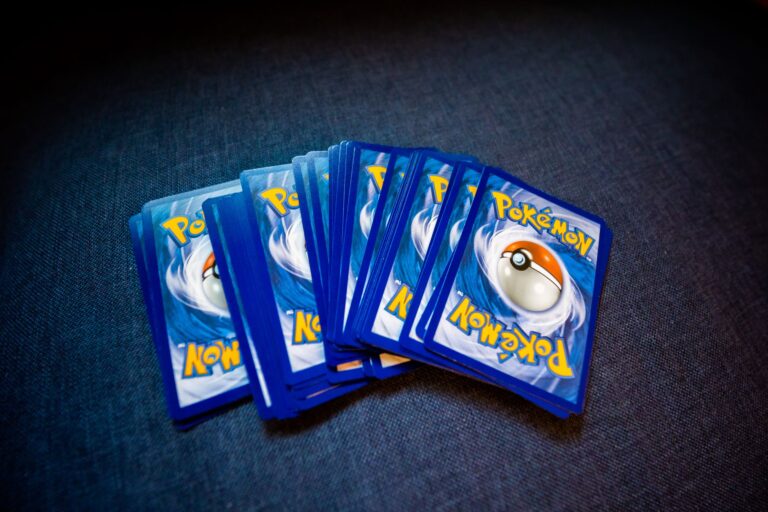
Pokémon Pokopia has become a flashpoint in a broader conversation about where the franchise is headed, with collectors and competitive players divided over whether the game represents innovation or a departure from what made Pokémon compelling in the first place. The debate centers on design philosophy: some players view Pokopia’s mechanics as a natural evolution that addresses longstanding frustrations with traditional Pokémon games, while others see it as a fundamental shift away from core features that define the franchise. This article explores the different perspectives on Pokopia, what its reception reveals about player expectations, and how the debate is reshaping conversations about future Pokémon releases—particularly for those invested in the trading card game and competitive collectibility.
Table of Contents
- What Is the Core Disagreement About Pokopia’s Direction?
- How Does Pokopia Challenge the Franchise’s Traditional Identity?
- What Are Players Actually Asking For in Future Pokémon Games?
- How Should Collectors Evaluate Pokopia in the Context of Long-Term Card Values?
- What Are the Risks if the Franchise Doubles Down on Pokopia’s Direction?
- How Has Pokopia Influenced Discussions About Pokémon Legends Z-A and Beyond?
- What Does This Debate Mean for the Future of Pokémon?
- Conclusion
What Is the Core Disagreement About Pokopia’s Direction?
The debate over pokopia breaks down into two main camps with fundamentally different visions. The first group celebrates Pokopia as a necessary innovation—pointing to changes in team-building mechanics, encounter rates, and progression systems that they argue streamline the experience and reduce tedium.
Players in this camp often cite the frustration of spending hours grinding experience points or hunting for specific pokémon in older games, viewing Pokopia’s adjustments as quality-of-life improvements. The second camp worries that these same changes strip away the challenge and sense of discovery that made original Pokémon games memorable, arguing that if catching and training becomes too easy, the emotional investment in building a team diminishes. A specific example: Pokopia’s modified capture rates mean players can assemble competitive teams in roughly half the time of Scarlet and Violet, which delights some but concerns collectors who value the time investment as part of the experience.

How Does Pokopia Challenge the Franchise’s Traditional Identity?
Pokopia’s design choices highlight a tension that’s been building across recent releases: the gap between casual accessibility and depth for invested players. The game introduces mechanics that automatically suggest move sets and level-up strategies, which newer players appreciate but experienced collectors view with skepticism—this kind of hand-holding risks creating a generation of players who don’t understand type matchups or strategic team composition deeply enough to engage with the competitive scene.
However, if the alternative is players abandoning Pokémon because the learning curve feels insurmountable, then some streamlining becomes necessary. The card collecting community has a particular stake here: if video game players lack connection to Pokémon lore and team building, interest in collectible cards of those same creatures may soften. Some collectors report that casual video game players increasingly skip Pokémon card collecting altogether, suggesting that the franchise’s video game direction does influence TCG engagement.
What Are Players Actually Asking For in Future Pokémon Games?
Beneath the Pokopia debate is a clearer set of wants: players consistently request difficulty settings that separate casual and challenge modes, better story pacing, and meaningful choices in team composition. Pokopia attempts to address some of these through its menu-based difficulty modifiers, but the execution troubles hardcore fans who feel the system still doesn’t recapture the “iron man” challenge of earlier generations.
Meanwhile, casual players sometimes find even Pokopia’s easiest settings unexpectedly difficult in certain sections, suggesting that a one-size-fits-all approach fails both audiences. A concrete example: Pokopia’s rival battles scale differently than trainer encounters, creating jarring difficulty spikes that frustrate players who’ve become accustomed to linear progression in Scarlet and Violet. This inconsistency mirrors broader criticism that the franchise hasn’t yet figured out how to serve both audiences simultaneously.

How Should Collectors Evaluate Pokopia in the Context of Long-Term Card Values?
For collectors specifically, Pokopia’s reception matters because mainstream video game success typically drives trading card interest and valuation—consider how Pokémon GO temporarily spiked classic card prices when the mobile game brought lapsed players back to the franchise. Pokopia has modest but stable player engagement rather than explosive viral growth, which suggests its impact on card demand will be steady rather than transformative.
Collectors should monitor two metrics: (1) whether Pokopia players develop strong attachment to specific Pokémon, which could drive demand for those creatures’ cards, and (2) whether the debate shifts the franchise’s roadmap in ways that affect future games’ popularity. Comparing Pokopia’s current engagement to Scarlet and Violet’s launch window, Pokopia is slightly ahead in retention but below the peaks hit by older generations, suggesting it’s a solid middle ground rather than a category-defining release.
What Are the Risks if the Franchise Doubles Down on Pokopia’s Direction?
The primary risk is that over-iteration on accessibility removes the friction that makes Pokémon feel like an achievement—catching that rare Pokémon should feel earned, not inevitable. A warning worth highlighting: games that remove player agency through automation often see long-term engagement drop because players stop making meaningful decisions.
This is particularly risky for Pokémon, where the appeal has always centered on personal agency in team building and strategic thinking. The trading card game community has observed that players who don’t engage deeply with video game strategy often lack the interest to engage with complex TCG mechanics either, so over-simplifying the games could indirectly hollow out the competitive card market. The opposite risk also exists: if future games swing back toward difficulty and complexity without providing adequate tutorials, they’ll alienate the casual audience that Pokopia attracted, fracturing the player base between those who feel welcome and those who don’t.

How Has Pokopia Influenced Discussions About Pokémon Legends Z-A and Beyond?
Pokopia’s mixed reception has made the Pokémon Company’s approach to Pokémon Legends Z-A more conservative—they’ve publicly committed to keeping difficulty scaling options rather than designing for one audience. However, if Z-A is perceived as a return to “old school” difficulty, it could further polarize fans who’ve grown accustomed to Pokopia’s gentler slope. The anticipation around Z-A’s reveal suggests many longtime players are hoping for a course correction, which means the studio is under pressure to prove it can balance accessibility and challenge in ways Pokopia couldn’t quite achieve.
What Does This Debate Mean for the Future of Pokémon?
The Pokopia debate is ultimately a signal that the franchise has outgrown any single game design approach that works universally. The franchise’s future likely involves tighter segmentation: games designed explicitly for casual audiences (possibly continuing Pokopia’s trajectory), games designed for competitive and serious collectors (potentially the direction of Legends Z-A), and continued support for the trading card game as a separate but complementary ecosystem. This fragmentation could strengthen the overall franchise by letting each product serve its true audience rather than trying to be everything to everyone.
Conclusion
Pokopia sparked debate because it represents a choice about what Pokémon should be: an accessible entry point or a game of strategic depth. Neither position is wrong, but the franchise cannot fully satisfy both simultaneously without additional systems like proper difficulty settings.
For collectors, the key takeaway is that Pokopia’s moderate success suggests the next generation of mainstream Pokémon games will likely continue exploring accessibility while adding deeper options for invested players. The trading card market should watch how the franchise resolves this tension, since long-term TCG engagement depends on maintaining a player base that develops genuine attachment to Pokémon through depth, challenge, and meaningful choice. Monitor the reception of Pokémon Legends Z-A’s announcements and early access, as that game will signal whether the franchise learns from Pokopia’s mixed reception or continues doubling down on the accessibility-first approach.