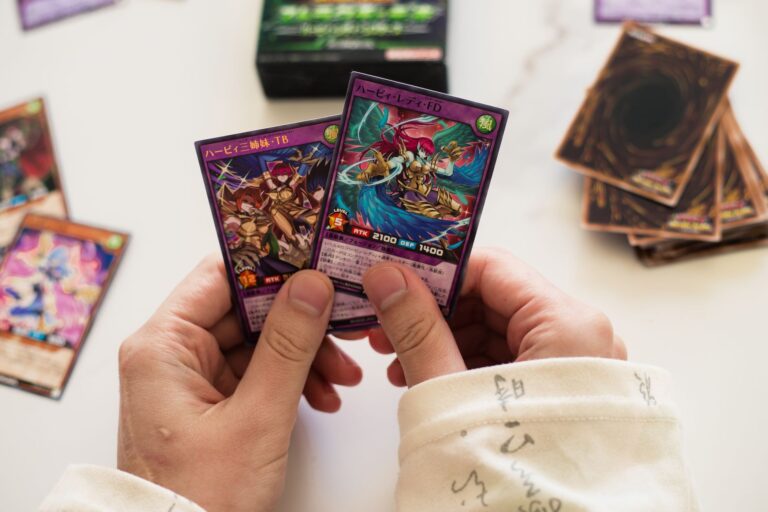
The Pokémon trading card market stands at roughly $8.4 billion in valuation as of 2025, with prices on individual high-tier cards reaching unprecedented levels. Cards like Moonbreon have crossed the $2,000 threshold for the first time, while Umbreon V touched the $550 range, and Bubble Mew climbed to $700 before correcting and recovering by early 2026.
These milestones reflect a market that has fundamentally transformed from a childhood hobby into a genuine alternative asset class, with long-term appreciation figures that dwarf traditional collectibles—the Pokémon card market as a whole is up 3,800 percent from 2004 to 2025. The current market momentum is being driven by a unique convergence of factors: the release of Pokémon TCG Pocket created fresh consumer interest, the back-to-back success of recent sets like Surging Sparks and Prismatic Evolutions has sustained demand at levels rivaling the height of the 2021 collectibles boom, and scarcity in specific releases like the 151 expansion has pushed prices upward across multiple categories. Projections suggest the market will reach $16.9 billion by 2035, growing at approximately 6.9 percent annually—a pace that indicates sustained collector demand rather than speculative frenzy, though warning signs of overvaluation do exist in certain segments.
Table of Contents
- What’s Driving the 2025-2026 Price Surge?
- Individual Card Valuations and Record-Breaking Prices
- Set-Specific Performance and Collector Priorities
- The Vintage Card Advantage and Modern Card Risk
- Bubble Concerns and Overvaluation Risks
- Supply Constraints and Their Effect on Market Dynamics
- Market Outlook for 2026 and Beyond
- Conclusion
- Frequently Asked Questions
What’s Driving the 2025-2026 Price Surge?
The primary catalyst for current price movements is the release of pokémon TCG Pocket, a mobile game that reignited mainstream interest in the franchise and brought new collectors into the physical card market. Simultaneously, the 151 expansion—celebrating the original Pokédex—arrived to substantial demand but limited supply. Major retailers have received fewer shipments of the 151 set compared to newer releases, creating artificial scarcity that has pushed booster box prices and individual card values upward. This supply constraint is a temporary phenomenon, but it has proven powerful enough to sustain momentum across the market.
Beyond the immediate 2025 catalysts, the 30th anniversary of Pokémon in 2026 is already influencing buying patterns. Collectors and investors have been accumulating Generations cards and 25th Anniversary Celebrations cards in anticipation of anniversary-related price appreciation. Vintage WOTC (Wizards of the Coast) cards have experienced particularly impressive gains, with prices rising 30 to 50 percent as of early 2026, as older collectors re-enter the market and institutional interest in blue-chip cards grows. The market is also seeing interest spikes tied to seasonal patterns—search volume for Pokémon booster boxes consistently peaks during November through December (holiday season) and again in late summer and early fall when new sets release.

Individual Card Valuations and Record-Breaking Prices
Certain individual cards have become the market’s most visible barometer of sentiment. Moonbreon crossed the $2,000 price threshold for the first time in September 2025 following a buyout, representing an extraordinary valuation for a single piece of cardboard. Umbreon V’s alternate art reached an all-time high of approximately $500 in August 2025, then climbed further into the $550 range by October. Bubble Mew reached $700 in September before declining for several months, yet recovered value by mid-February 2026—a pattern that reveals both the volatility and underlying demand for the most coveted cards.
However, collectors should recognize that these headline prices mask significant price variation. Raikou V’s alternate art, for instance, ranges from $20 to $80 depending on condition and grading status, illustrating the importance of condition assessment and third-party grading in establishing fair value. The top-tier cards command premium prices because of their rarity, artistic significance, and proven investor demand, but extreme valuations also create risk for collectors who buy near peaks. A card that appreciates from $100 to $500 can also depreciate substantially if market sentiment shifts or new supply enters the market.
Set-Specific Performance and Collector Priorities
The Pokémon TCG card market is not monolithic—different sets and eras perform on distinct cycles based on collector nostalgia, set mechanics, and availability. Recent sets like Surging Sparks and Prismatic Evolutions have driven strong performer lists, with top movers showing average gains exceeding 20 percent in Q3 and Q4 of 2025. Modern booster boxes and elite trainer boxes (ETBs) have appreciated on supply constraints alone, but this appreciation carries risk; unsustainable growth rates in modern sealed products have been flagged as a potential speculative bubble by market analysts tracking the industry. Vintage WOTC cards—particularly base set, jungle, and fossil era cards—represent a more stable appreciation story, with documented 30 to 50 percent increases through early 2026.
These cards benefit from fixed supply (no reprints of 1990s sets), natural attrition as cards are lost or damaged, and growing demand from legacy collectors and institutional buyers. The divergence between modern and vintage performance suggests that serious collectors are beginning to distinguish between speculative modern products and genuinely scarce older inventory.

The Vintage Card Advantage and Modern Card Risk
Vintage WOTC cards carry an inherent advantage over modern Pokémon cards: they cannot be reprinted. A Base Set Charizard, a Jungle Blastoise, or a Fossil Dragonite will never be produced again, making supply genuinely fixed. This scarcity has driven impressive recent gains and attracts both heritage collectors and new investors seeking tangible appreciation. Modern cards, by contrast, are produced in substantially larger quantities and benefit from continuous reprints through new releases, meaning supply can increase unexpectedly and dampen long-term appreciation potential.
The tradeoff for vintage cards is condition sensitivity and grading costs. A PSA 9 Base Set Charizard commands multiples of an ungraded copy, but obtaining and maintaining a professional grading service adds expense and complexity. Modern cards can be collected raw (ungraded) at lower prices but carry higher risk of speculative overvaluation. Savvy collectors often pursue a mixed approach: building a modest vintage WOTC core collection for stability, while experimenting with modern cards selectively and with an eye toward actual set scarcity rather than speculative hype.
Bubble Concerns and Overvaluation Risks
Analysts tracking the market have identified speculative bubble concerns concentrated in specific segments: modern ungraded cards, graded slabs of recent sets, elite trainer boxes, and booster boxes exhibiting unsustainable growth rates. Many of these products have appreciated sharply over the past 12 months, yet their continued growth relies on ever-increasing collector demand and sustained supply constraints. When supply normalizes or collector enthusiasm cools, these products face significant downside risk.
The distinction between blue-chip rare cards and commodity modern products is critical. Cards like Moonbreon or Umbreon V have proven demand across multiple buyer cohorts (collectors, investors, speculators), supporting their valuations through diversified interest. A random secret rare from a 2024 set, by contrast, may be valued primarily on speculation that future demand will sustain its price. The pandemic and 2021 collectibles boom demonstrated how rapidly bubble assets can deflate when sentiment reverses, so collectors should approach modern sealed products and ungraded cards with appropriate skepticism about forward returns.

Supply Constraints and Their Effect on Market Dynamics
The 151 expansion’s limited availability at major retailers has become a textbook example of how supply disruption drives price appreciation. When fewer shipments reach stores, booster boxes sell at premium prices, individual pack prices increase, and rare cards from the set command higher market values. This effect is temporary—as supply normalizes, price pressure eases—yet it has proven powerful enough to sustain momentum across the entire market and even lift prices on cards from competing sets as demand remained robust.
Shortage-driven price appreciation differs fundamentally from appreciation driven by genuine collector demand or scarcity. It tends to be self-limiting, dissipating once supply constraints resolve. Collectors should be cautious about purchasing at peak shortage prices, expecting that normalization will eventually occur. Conversely, the 151 shortage has demonstrated that major releases are still capable of creating collection urgency, a positive sign for the franchise’s long-term viability as a hobby and investment vehicle.
Market Outlook for 2026 and Beyond
The Pokémon TCG market’s trajectory through 2026 will be shaped by the franchise’s 30th anniversary celebration, the continued impact of Pokémon TCG Pocket on collector enthusiasm, and the release of new sets designed to capture anniversary-driven demand. Vintage WOTC cards will likely remain in favor as scarce alternatives to modern products, while anniversary-themed releases may introduce fresh price volatility as collectors chase limited-edition or special products. The global trading card game market is projected to reach nearly $24 billion by 2032, and Pokémon’s dominant market share suggests the franchise will capture a disproportionate share of that growth.
Long-term projections placing the Pokémon TCG market at $16.9 billion by 2035 (a 6.9 percent annual growth rate) suggest the industry expects sustained, measured expansion rather than speculative overheating. This moderate projection is more credible than bubble-level forecasts and indicates that the 2026 market should remain active without the explosive appreciation of 2021. Collectors entering the market should adopt a patient, disciplined approach: prioritize cards and sets with genuine scarcity, be skeptical of modern sealed product valuations, and recognize that the hobby’s long-term appeal depends on reasonable pricing and accessible entry points for new collectors.
Conclusion
The Pokémon card market in 2025 stands at a crossroads between genuine long-term appreciation and speculative overvaluation. Record prices on blue-chip cards like Moonbreon ($2,000+) and Umbreon V ($550+) reflect real demand and scarcity, while the market’s long-term 3,800 percent appreciation since 2004 demonstrates the asset class’s durability. However, bubble concerns centered on modern sealed products and graded slabs warrant caution, and collectors should distinguish between sustainable vintage growth and unsustainable modern-product speculation.
For collectors and investors navigating 2025-2026, the path forward requires clear-eyed assessment of what you’re actually purchasing. Vintage WOTC cards offer genuine scarcity and a track record of appreciation; certain modern chase cards offer speculative potential but carry higher risk; and sealed modern products should be approached with skepticism about forward returns. As the franchise approaches its 30th anniversary and the global TCG market expands toward $24 billion by 2032, the Pokémon card hobby has matured enough to reward patient, disciplined collectors while punishing hype-driven speculation.
Frequently Asked Questions
Is 2025 a good time to invest in Pokémon cards?
It depends on your strategy. Vintage WOTC cards remain fundamentally sound with 30-50% appreciation through early 2026 and fixed supply, making them suitable for long-term collectors. Modern sealed products and recent chase cards carry higher risk due to speculative concerns. The best entry strategy is to build a diversified collection emphasizing cards and sets with genuine scarcity rather than chasing headlines.
What makes Moonbreon and Umbreon V so expensive?
These cards possess multiple supply constraints: they were printed in limited quantities initially, experienced reduced reprints, and have developed cult collector status. Their high prices also reflect their use as status symbols in the collecting community and their appeal to investors seeking the most coveted assets. Their valuations remain vulnerable to supply increases or sentiment shifts.
Should I focus on graded or raw cards?
Vintage WOTC cards and blue-chip modern cards benefit from professional grading (PSA, BGS) because condition significantly affects value. Modern bulk cards typically do not justify grading expenses. Raw card collecting can offer better value for beginners and allows experimentation with different sets at lower cost, though future resale may be more challenging.
Will prices continue rising in 2026?
The 30th anniversary will likely drive demand for anniversary-themed releases and nostalgia-driven purchases of Generations and Celebrations cards. However, market projections suggest moderate growth (6.9% annually) rather than explosive appreciation, making patience and selectivity more important than urgency.
How can I avoid buying into speculative bubbles?
Avoid chasing cards that have appreciated over 50% in the last 6-12 months without documented scarcity or universal collector demand. Prioritize cards with proven long-term demand (vintage, iconic characters, low-print-run sets). Be skeptical of sealed modern products promoted primarily on appreciation potential rather than collecting appeal.
What’s the difference between collecting and investing in Pokémon cards?
True collectors prioritize the hobby, enjoyment, and long-term appreciation of cards they enjoy owning; investors prioritize capital appreciation and liquidity. Both approaches are valid, but they require different strategies. Investors should focus on demonstrated scarcity and proven demand, while collectors can afford more personal preference in their selection process.