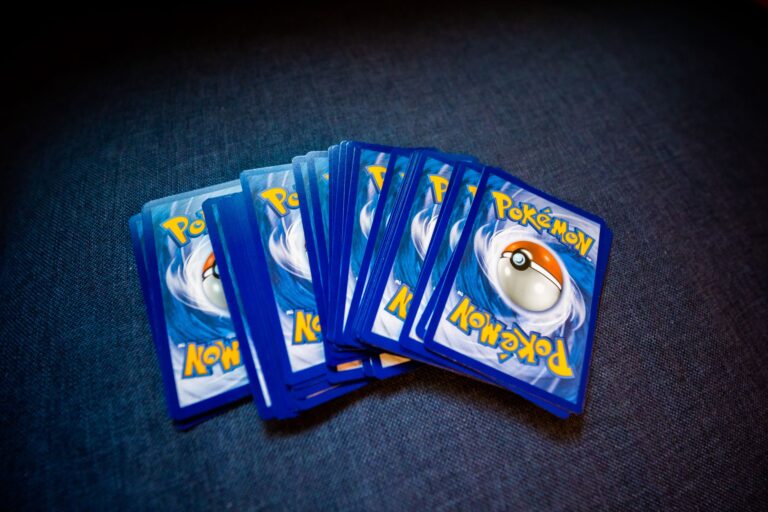
Logan Paul has long been a vocal fan of Pokemon cards, and his takes on the collecting world often highlight why physical items like these cards keep their appeal even as tech races ahead. In recent discussions around market shifts, he points out that collectibles thrive because they tap into something timeless: nostalgia, rarity, and the joy of owning a piece of history that no app or digital token can fully replace.[1][6]
Think about it. Smartphones and virtual reality are everywhere, yet people still chase that 1999 Charizard hologram or a fresh Temporal Forces chase card. Paul argues it’s because these cards aren’t just paper—they’re portals to childhood memories, community events, and the thrill of the hunt. Even with prices dipping on modern sets like Fusion Strike down to around $238 or Gastly Illustration Rare dropping over $30 in a month, the big icons hold strong. A PSA 10 first-edition Charizard just hit $550,000 at auction, proving elite cards weather any storm.[4][6]
Paul compares it to how older Sun and Moon era booster boxes climbed 40% post-pandemic, from $500 to $700, while newer ones like Lost Origin sit at $383 but show potential for jumps.[1] Tech changes fast—NFTs boomed then busted—but cards? They stick around. eBay’s 2025 trends confirm Pokemon dominates searches, outpacing even sports stars like Shohei Ohtani, because fans crave the tactile feel of a graded PSA 10 in hand.[6]
Right now, with modern cards like those from Surging Sparks or Temporal Forces trading lower—Raging Bolt ex at $61, Iron Crown ex at $41—Paul sees opportunity.[4][7] He explains that as digital fads fade, physical collectibles gain because they’re finite. No server crash wipes out your binder. The market’s broad appeal, from $10 entry packs to $80 premium pulls, keeps everyone in, with peaks around December gifting season.[3]
Paul’s bottom line: tech evolves, but the human pull toward rare, story-filled objects doesn’t. Pokemon cards prove it by staying hot amid fluctuations, drawing new collectors while veterans hold tight.[2][5] Prices may flatten or dip short-term, like some Sword and Shield sets hovering at $250-$320 floors, but the cycle always rebounds on scarcity and sentiment.[2]