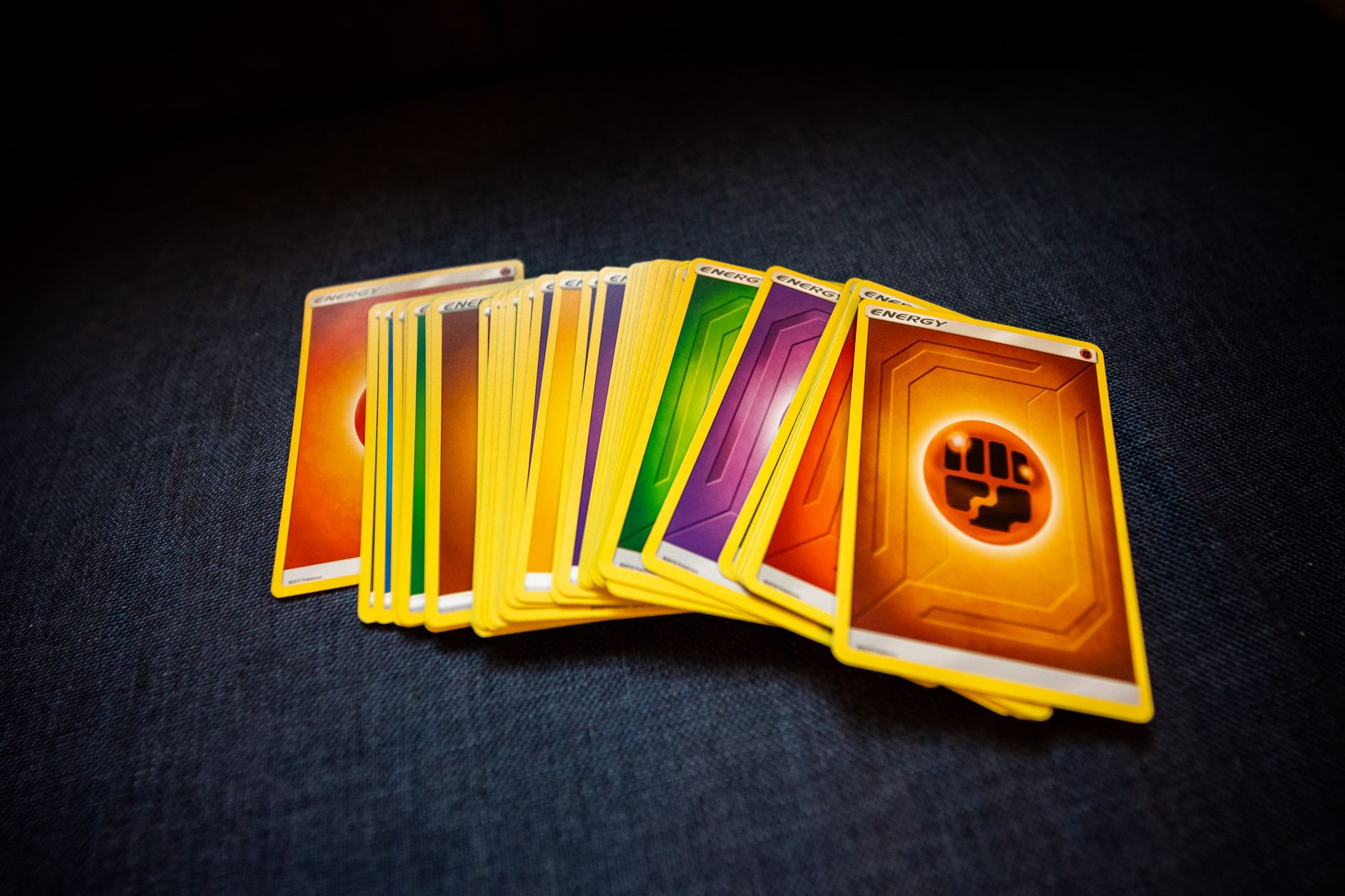
Pokemon has announced a limited edition Pikachu card as part of its summer campaign, adding another collectible variant to the franchise’s extensive roster of special releases. This particular Pikachu offering targets both new collectors and established enthusiasts seeking exclusive variants outside standard set releases. Like most limited edition Pokemon cards released through coordinated campaigns, this card carries the appeal of scarcity and the potential for appreciation, though actual availability and collector demand remain key factors in determining its real-world value.
Limited edition promotional cards from Pokemon have historically driven significant collector interest, particularly when they feature iconic characters like Pikachu. The summer campaign format typically combines time-limited availability with specific distribution channels, creating urgency among buyers. Collectors should understand that “limited edition” designation does not automatically guarantee investment returns or sustained demand—market performance depends on print run size, aesthetic appeal, and broader collector interest at release time and beyond.
Table of Contents
- What Makes Limited Edition Pikachu Cards Valuable to Collectors?
- Understanding Print Runs and Market Saturation
- Authentication and Counterfeit Concerns
- Where to Purchase and Price Comparison
- Condition Grading and Price Tiers
- Comparing This Campaign Card to Previous Pokemon Limited Editions
- Market Dynamics and Collector Psychology
- Frequently Asked Questions
What Makes Limited Edition Pikachu Cards Valuable to Collectors?
Limited edition Pikachu cards appeal to collectors for several distinct reasons beyond their role in gameplay. The character’s iconic status as Pokemon’s mascot ensures baseline demand, while artistic variations and printing techniques used in special releases attract collectors who prioritize aesthetics. Promotional cards with unique borders, alternate artwork, or special finishes often command premiums over standard versions when demand outpaces supply.
The value proposition shifts depending on print run size and distribution method. A card distributed through a single retailer or event has a different scarcity profile than one produced by the millions for mass-market availability. For example, event-exclusive cards printed in quantities under 10,000 units typically show stronger price retention than campaign cards produced for broader consumer access. Collectors assessing this card’s potential should research the actual distribution channels and estimated print quantities, as these details fundamentally affect long-term value potential.
Understanding Print Runs and Market Saturation
Print run size is the most critical factor determining whether a limited edition card maintains collector value or becomes oversupplied. pokemon‘s definition of “limited” has sometimes meant production runs in the millions of units, which differs substantially from traditional trading card limited editions in other games. A card printed in ten million copies is scarce relative to infinite supply, but abundant relative to cards printed in fifty thousand. Market saturation risk exists whenever a card is widely available at launch.
During the first weeks after release, prices typically remain stable or decline as casual buyers acquire copies and then list them for resale. Cards that appreciate significantly do so months or years later, only after the initial supply has been distributed among collectors and speculators. One important limitation: most limited edition Pokemon cards do not significantly appreciate, and some decline in value as the initial hype subsides. Collectors should avoid purchasing with the assumption of future profits, as the secondary market for promotional cards is driven by a relatively small subset of serious collectors.
Authentication and Counterfeit Concerns
Pikachu cards, especially promotional or limited editions, have become frequent counterfeiting targets due to the character’s recognizability and consistent collector demand. Counterfeit cards often contain production errors, incorrect font weights, or misaligned imagery compared to genuine versions. Serious collectors verify cards through detailed examination of print quality, texture, and font consistency before making significant purchases.
Third-party grading services like PSA, BGS, and CGC provide authentication alongside condition grading, which serves as verification against counterfeits. A professionally graded limited edition card in the secondary market carries authentication certification that casual marketplace listings cannot provide. However, grading adds cost—typically $50 to $150 per card depending on service and turnaround time—which impacts the final purchase price relative to raw cards. For limited edition releases from established Pokemon distributors, counterfeits are less prevalent than with vintage cards, but vigilance remains necessary for buyers sourcing from non-official resale channels.
Where to Purchase and Price Comparison
Limited edition Pikachu cards from official Pokemon campaigns are typically distributed through specific retail partners, online Pokemon centers, or direct-to-consumer distribution channels. Buying from official sources eliminates authentication risk but may require waiting for stock availability, as popular limited editions sell out quickly. Secondary market prices on platforms like eBay, TCGPlayer, and Cardmarket often exceed initial retail within days of a popular card’s release if demand is strong.
A practical tradeoff exists between purchasing at retail during the initial release window versus waiting for secondary market availability. Retail prices are fixed and verified, but require quick action to secure stock. Secondary market purchases offer flexibility in timing but expose buyers to counterfeits, price volatility, and potential overpricing during hype cycles. Comparing prices across multiple marketplaces is essential, as individual listings on resale platforms show wide price variation based on seller reputation, card condition, and perceived scarcity narrative at time of sale.
Condition Grading and Price Tiers
Card condition dramatically affects resale value, with mint or near-mint copies commanding substantially higher prices than those with visible wear. A limited edition Pikachu in pristine condition might sell for two or three times the price of the same card in lightly played or moderately played condition. This price differential means that how a card is stored and handled immediately after purchase significantly impacts its future value potential.
One critical warning: purchasing graded copies at premium prices assumes high demand for that specific card persists or grows. Grading premiums can evaporate if collector interest shifts or the broader Pokemon card market experiences a correction. Buyers should avoid overpaying for graded copies of newly released limited editions, as the long-term price trends for any card remain uncertain in the first months after release. Raw copies of limited edition cards often represent better value during initial release periods, with grading optionally applied later if the card appreciates substantially.
Comparing This Campaign Card to Previous Pokemon Limited Editions
Pokemon’s history includes multiple limited edition campaigns featuring Pikachu variants—some highly sought after by collectors and others largely forgotten within months of release. The factors that distinguished successful limited editions included unique artistic direction, strategic distribution that prevented immediate oversupply, and timing that coincided with broader franchise momentum. Summer campaigns specifically benefit from school holidays and increased consumer spending, which supports higher demand than releases during slower retail periods.
Collectors looking to evaluate this card’s potential can examine previous summer campaign releases to understand realistic price trajectories. Limited edition cards that maintained or increased value typically had print runs under 100,000 units or featured artwork that became iconic within the collector community. Cards with generic or uninspired artistic treatments, even with official limited edition status, frequently declined to minimal premiums within a year of release.
Market Dynamics and Collector Psychology
The secondary market for limited edition Pokemon cards operates on perception of scarcity and emotional attachment as much as true scarcity. Pikachu cards generate stronger initial demand than most other characters due to the mascot’s cultural prominence, which artificially inflates early prices for limited editions. This demand surge often doesn’t persist long-term, as casual collectors complete their acquisitions within weeks and serious investors move on to evaluating the next release.
Strategic collectors often purchase limited edition Pikachu cards during secondary market lows—months after the initial hype cycle—rather than participating in the initial price surge. At that point, prices have typically stabilized and reflect genuine collector demand rather than speculative interest. The card’s utility depends entirely on whether the buyer seeks it for personal collection satisfaction or as a financial instrument, as these motivations lead to different purchasing strategies and risk tolerance.
Frequently Asked Questions
How do I know if this limited edition Pikachu card is authentic?
Verify purchase from official Pokemon retailers or authorized distributors. Check print quality, font consistency, and card texture against official product photos. For high-value cards, third-party grading services provide authentication certificates.
Will this card increase in value over time?
Limited edition status does not guarantee appreciation. Value depends on print run size, collector demand, and market conditions. Most promotional cards remain at or below retail price in secondary markets within months of release.
Where should I buy this card to avoid counterfeits?
Official Pokemon Center, authorized retail partners, and established marketplaces with buyer protection offer lower counterfeit risk than private sellers or unvetted platforms.
How should I store this card to preserve its condition?
Use acid-free sleeves, top loaders, or professional storage binders. Store in cool, dry conditions away from direct sunlight. Avoid touching the card surface with bare hands.
Is grading necessary for limited edition promotional cards?
Grading is optional and adds authentication value but increases cost. For lower-priced promotional cards, raw condition preservation may be sufficient unless you plan secondary market resale.
You Might Also Like
- Pokemon unveils 30th-anniversary trading card special edition with product lineup details
- Pokemon Trading Card Game 30th Anniversary Premium Ultra Edition Box Releases
- Pokemon Sword Shield Eevee Pikachu Holographic Card Limited Festival Collection