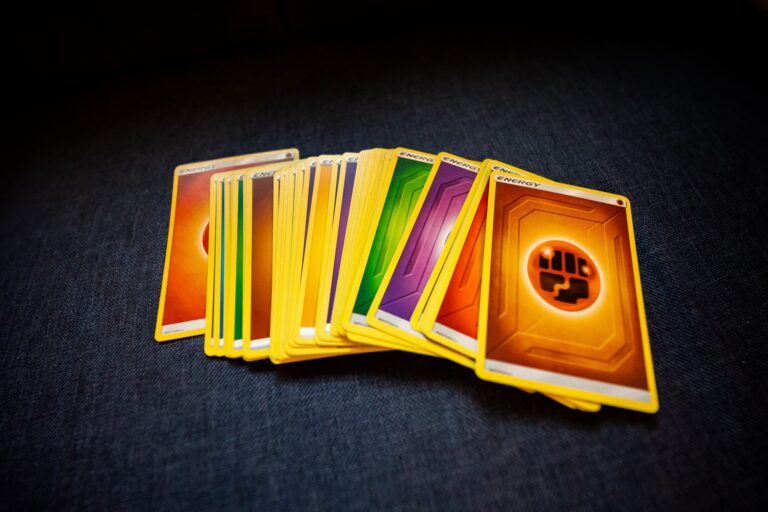
In the world of Pokémon Trading Card Game collecting, the third print run is not the same as the unlimited print run, though they are closely related and often get mixed up by new collectors. The unlimited print run marks the mass-produced phase after earlier limited versions like first edition and shadowless, but the third print run specifically refers to the standard unlimited design that became the baseline for most cards printed in huge numbers starting around mid-1999.
To understand this, let’s go back to how Pokémon cards were first made and released by Wizards of the Coast in 1999. The original Base Set came out in January of that year with what collectors call the first edition print run. Every card in this run had a special “First Edition” stamp in the title bar on the left side. These were made in limited numbers to test the market, and they are super rare today because so few were produced before demand exploded. Spotting one is easy if you know to look for that stamp, which unlimited cards completely lack.[3][5]
Right after the first edition, Wizards shifted to a second print run known as shadowless cards. These still did not have the first edition stamp, but they had a brighter color scheme, thinner fonts on the text, a 1999 copyright date, and no dark shadow outline around the artwork pictures. Shadowless cards were printed in smaller quantities than what came next, making them more valuable than unlimited ones. The back of shadowless cards often shows perfect centering with no offset shadows, unlike some later prints.[2][5]
Then came the third print run, which collectors label as the standard unlimited or “3rd issue” prints. This is where things get interesting because this run introduced changes to fix production issues and standardize everything for high-volume printing. The cards now had a drop shadow around the artwork, thicker fonts, slightly duller colors, and still no first edition stamp. The copyright stayed at 1999 for most, but the key point is that this third print run became the template for all unlimited cards going forward. In short, the third print run is the first wave of what we broadly call unlimited prints, but it is distinct from later unlimited waves because of subtle production tweaks and the fact that early unlimited prints sometimes carry unique repeating errors from that specific factory run.[1][5]
Why does this matter? Unlimited cards as a whole were printed in massive quantities to meet skyrocketing demand after the first two runs sold out fast. But within unlimited, the third print run stands out to serious collectors because it captures the transition point. For example, in the Base Set, you can find cards like the Screen Holo Machamp from unlimited prints with a yellow screen of vertical ink lines across the holofoil, giving it a wild, unique shimmer that later unlimited prints smoothed out. Or take Mewtwo unlimited prints with blue ink streaks on the holo background or low black ink errors making the gray areas faint. These are repeating errors tied to specific print sheets from that third run era, and they pop up consistently on certain cards but not on shadowless or much later unlimited copies.[1]
Let’s dive deeper into some standout examples from the Base Set unlimited third print run errors, because these are what make collectors hunt them down even among common unlimited cards. Charmeleon has a red ink hickey shaped like a heart on its left hip, and all known copies are extra red-saturated from magenta ink issues. Charmander shows a “Scratch Error” where half the “h” in the Scratch attack name is missing, plus smeared red ink, and multiple repeating magenta hickeys across the card. Staryu has a magenta printer hickey in the top left of the artwork, while Tangela features a huge blue ink stain on the right side of the art—one of the biggest repeating hickeys in the set. These aren’t random fakes; they are factory defects from the unlimited print sheets, and some like the Bulbasaur gloss error (a column of missing gloss over its body) appear identical on every affected copy.[1]
Moving to other sets, the pattern holds. In Jungle, some holos from early unlimited prints lack the Jungle expansion symbol entirely due to a production glitch during the third print phase. Fossil had corrected errors that carried over, but the fourth print was a UK-only tweak. Team Rocket unlimited non-holos include the famous Black Tape Obstruction Dark Charizard, where a piece of tape or paper blocked ink on a whole print sheet, causing black ink to bleed and fade around the edges of the art and text. These are all hallmarks of the third print run’s unlimited phase—mass produced but with quirks that later unlimited runs fixed or avoided.[1][5]
People often ask if these third print unlimited cards are worth chasing over plain unlimited ones. The answer is yes for error hunters, because while unlimited cards in general are cheap and common, the ones with these repeating print errors from the third run can fetch premiums. For instance, PSA reports over 230 graded copies of certain error Staryu, showing real collector interest despite being unlimited base. But beware fakes—unlimited cards are heavily counterfeited, especially Charizard. Always check the back pattern for full, crisp printing with no blurry edges, as real unlimited backs are perfectly aligned unlike cheap knockoffs.[1][6]
Print run differences extend beyond Base Set. In later guides for species collecting, experts note that unlimited prints vary by era, like 2000 Fossil differences or black versus white outline errors in SM5+ sets. Reverse foils, holo patterns (retro vs. HD cosmos or cracked ice), and even language-specific unlimited prints add layers. Japanese unlimited prints can be tough to find outside Japan, often needing proxies like Buyee for MercariJP.[4]
The value gap is huge. First edition and shadowless crush unlimited in price—unlimited lacks the stamp and rarity, leading to common confusion among buyers. A plain unlimited Charizard might go for a few bucks, while a third print error version or shadowless jumps to hundreds if graded high. High-profile sales like the Pikachu Illustrator promo (rarer than first edition) hitting $900,000 in 2022 spotlight why early prints rule, but even within unlimited, that third run’s errors give them a niche edge.[3]
For spotting genuine third print unlimited versus fakes or later unlimited, focus on these tells. Number formatting on the bottom right differs—shadowless and early unlimited have unique styles from later ones. Backs should be centered with no shadows or offsets. Colors on third print unlimited are consistent but can show those ink hickeys as bonuses. Use checklists or spreadsheets to track variants, as sets like Legendary Collection had shiny foil parallels only on certain prints.[2][4][5]
In Team Rocket, the design error on some cards was never fixed, so it hit mass unlimited production including third print runs. Jungle’s missing symbol holos are another third print artifact. Skyridge and Aquapolis had e-Reader dots and minigames, but their unlimited third prints followed the same shadow-added, font-thickened formula.[5]
Collectors build around these nuances. A species collection might chase every print variant: first edition, shadowless (second), third print unlimited with errors, then plain unlimited, reverse foils, and ho