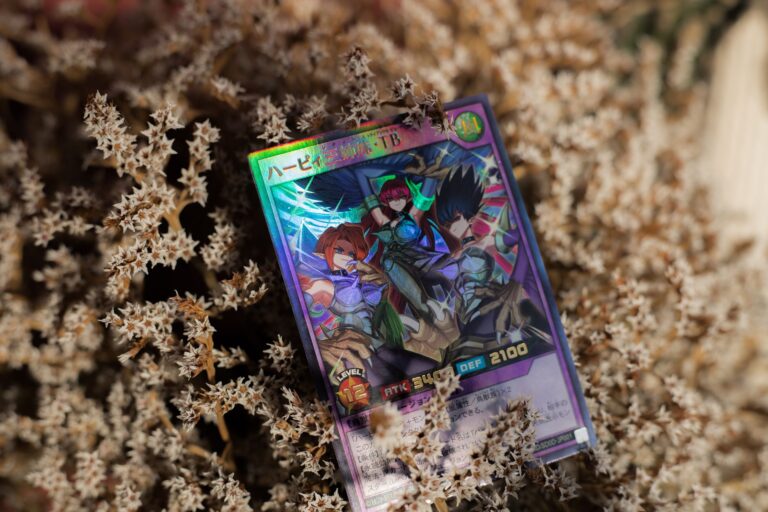
Using rarity and demand together means evaluating cards on both axes simultaneously—how scarce they actually are, and how many people want them. When you buy a card based on rarity alone, you might own something genuinely rare that nobody particularly wants, leaving it difficult to sell or prone to depreciation. When you buy based on demand alone, you chase popular cards that may have thousands of copies in circulation, limiting their upside potential. The sweet spot is finding cards that are both restricted in supply and sought after by collectors. A Secret Rare Charizard hits both criteria: Secret Rare Pokémon cards appear in only 1 out of every 2-3 booster boxes, making them genuinely scarce, and Charizard has dominated Pokémon card values for over 25 years due to consistent collector passion.
That combination is what drives value. The numbers back this up. In today’s market, rare and mythic cards average 40x and 170x the price of common cards respectively. Meanwhile, the global collectible trading cards market is valued at $8.998 billion in 2024, projected to reach $18.601 billion by 2034, and 48% of buyers are purchasing cards specifically for investment purposes. The strategy of pairing rarity with demand isn’t optional if you want to make intelligent purchases—it’s essential to avoiding money trapped in dead inventory or overpaying for overhyped commons.
Table of Contents
- How Rarity and Demand Intersect in Card Pricing
- Understanding Rarity Tiers and Their Real-World Impact
- Demand Drivers That Matter in 2026
- Building a Strategic Buying Plan Using Rarity and Demand
- Avoiding the Fraud and Overvaluation Trap
- Condition as Hidden Rarity
- Market Outlook and Strategic Implications for 2026 and Beyond
- Conclusion
How Rarity and Demand Intersect in Card Pricing
Rarity creates scarcity, but scarcity alone doesn’t determine price. A numbered parallel sports card variant can fetch $150 to $300 or more, compared to just $5 to $15 for the base version—a 20x to 30x difference in the same player’s card. The rarity exists in both cases, but the parallel variant commands a premium because collectors actively hunt for variants. This is rarity meeting demand. Without demand, a rare card sits in someone’s collection gathering dust. Without rarity, demand evaporates the moment more copies enter circulation. The interaction works like a multiplier.
Demand drives initial interest and competition among buyers, which pushes prices higher when supply is limited. Rarity then prevents that demand from being satisfied by flooding the market with copies, which would crash the value. Charizard is the clearest pokémon example of this synergy. The character has remained popular for 25+ years, so demand is constant. Limited print runs and older editions created genuine rarity tiers. New Secret Rare Charizards pull from both: they’re relatively modern (so demand exists among contemporary collectors), but rare (1 in 2-3 boxes). A 1999 Charizard holographic card combines decades of cultural relevance with extreme scarcity, which is why those cards have sold for hundreds of thousands of dollars.

Understanding Rarity Tiers and Their Real-World Impact
In Pokémon TCG, rarity appears on the card itself through symbols and text. Common cards have a single dot, uncommons have a diamond, rares have a star, and Secret Rare cards break the numbering of the set entirely. But the rarity designation on the card isn’t the only measure of scarcity. Pull rates differ dramatically. A common card might appear in 1 of every 5 booster packs. A rare appears in 1 of every 3 or 4 packs. Secret Rares appear in 1 of every 2-3 boxes (approximately 36 packs).
From a statistical standpoint, a Secret Rare card you pull today could be one of hundreds of thousands in existence globally, or it could be one of tens of thousands, depending on print runs and set age. this matters because perceived rarity often diverges from actual rarity. A card might be labeled “Rare” on the card face but pulled frequently enough that it’s common in the secondary market. Conversely, a newer secret rare might genuinely be scarcer than an older rare from a set with smaller print runs. This is where research becomes critical. Checking the print run history of a set, understanding which editions or languages had lower circulation, and comparing actual sold listings on platforms reveals true scarcity beyond the cardboard label. A card graded as Mint condition worth 2-5x a lightly-played card from the same batch, and can fetch 10x the price of similar cards with minor wear. Condition is invisible rarity—you can’t change a card’s print run, but you can damage it, which instantly reduces its scarcity value among the highest-tier buyers.
Demand Drivers That Matter in 2026
Demand for cards is driven by several overlapping factors, and understanding them helps you predict which rarity will hold value. In 2026, 72% of demand growth is being driven by digital marketplace adoption—card sales are increasingly happening on platforms like TCGPlayer and eBay, making rare cards accessible to global buyers and driving up prices on genuinely limited inventory. Nostalgia-based purchasing accounts for 65% of demand growth, which explains why older sets and classic characters maintain premium pricing. Collectors aged 18-30, many of whom grew up with Pokémon, represent a major demographic, and their purchasing power is reshaping the market. Limited-edition scarcity accounts for 58% of demand growth, meaning marketing and official print restrictions actively create collector hunger. Character popularity is perhaps the most tangible demand driver.
Charizard, as noted, has dominated Pokémon card values for a quarter-century. When a popular character gets a new Secret Rare or alternate art card, demand spikes instantly. Conversely, a Secret Rare of an unpopular Pokémon may sit in inventory for months, even though the rarity designation is identical to a Charizard card. This is where buying based purely on rarity fails. An ultra-rare card of an obscure Pokémon might be statistically scarcer than a moderately rare Pikachu, but collectors would rather own the Pikachu. The smart buyer recognizes that demand amplifies the value of rarity—you want rare cards of popular subjects, not rare cards of forgotten creatures.

Building a Strategic Buying Plan Using Rarity and Demand
A practical approach to buying cards that balance rarity and demand involves allocating your budget across sets and targeting specific chase cards rather than hoping for random pulls. According to April 2026 analysis, smart buyers split budgets across sets, targeting 2-3 hobby boxes per top set for optimal chase exposure. A hobby box guarantees a higher pull rate of rares and secret rares compared to loose booster packs. If you’re buying $600 worth of cards, instead of pouring all of it into one set hoping for a single chase card (a low-probability event), split it into two sets at $300 each. This increases your odds of pulling rares from both sets and diversifies your inventory. When selecting sets to buy, apply a rarity-demand filter.
Check recent sold listings on the secondary market to identify which cards from the set are appreciating and which are stagnant. If a set’s Secret Rares are selling quickly and increasing in price, that’s high demand combined with scarcity—a good target. If a set’s rares are lingering unsold at close to pack-fresh prices, demand is weak, and you’d need that rarity to be extreme (like a card that’s genuinely 1 in 100 boxes) to justify the purchase. Timing also matters. Early in a set’s release, rarity isn’t yet proven, and demand is highest. Prices can be inflated by hype. Waiting 2-3 months lets overprinted sets stabilize downward while truly scarce cards hold value, giving you better clarity on which rares are genuinely demanded.
Avoiding the Fraud and Overvaluation Trap
A critical warning: approximately 15% of secondary market cards may be fraudulent, and authentication services cost up to 20% of a card’s value. If you buy a $500 Secret Rare card and later decide to authenticate it through a grading service like PSA or Beckett, you might pay $100 to certify it. That’s a sizable insurance cost that eats into margins. Some collectors accept this as part of buying high-value rares; others avoid high-ticket singles entirely for this reason. If you’re buying a $100+ card from an individual seller (versus an established retailer), seriously consider whether authentication is necessary for your use case, or buy from platforms that offer authentication guarantees. Another risk is overvaluing rarity in isolation.
A rookie sports card can lose 50% of its value in a single season if the athlete underperforms. Similarly, a highly anticipated Pokémon card can depreciate rapidly if a parallel release or reprint emerges. Secret Rares are genuinely scarce, but if a set is reprinted or a similar character gets a new Secret Rare variant shortly after, yesterday’s chase card becomes less urgent. This is why demand matters as much as rarity. A card that’s rare but facing a newer, flashier alternative loses collector interest. Monitor the release calendar for upcoming sets, and avoid overcommitting to rares in sets where you know a high-demand successor is launching within the next few months.

Condition as Hidden Rarity
Condition is the invisible form of rarity, and it’s where amateur buyers often leave money on the table. A Mint condition card is worth 2-5x a lightly-played card from the same print run, and in the highest-end market, can fetch 10x the price. If you pull a Secret Rare and immediately sleeve it in a toploader, you’re making a smart rarity preservation move. If you’re buying from another collector, condition should be your third evaluation criterion after rarity and demand.
A lightly-played Secret Rare might be $80 cheaper than a Mint version of the same card, but that discount reflects genuine value loss if you ever want to resell. For investment-focused buyers, this is where professional grading becomes relevant. A card graded PSA 9 (Mint) or PSA 10 (Gem Mint) commands premiums in the secondary market because the grade verifies condition uniformly. You’re buying both the rarity of the card and the rarity of perfect condition. A PSA 9 Secret Rare is rarer than an ungraded Secret Rare of the same card, and demand from collectors and investors who want certified examples pushes the price up accordingly.
Market Outlook and Strategic Implications for 2026 and Beyond
The trading card market is expanding rapidly. Million-dollar sales were reported in early 2026, driven by rarity, grade, and cultural relevance. The global market is growing at 10.8% annually and is expected to reach $18.601 billion by 2034. This growth is creating two parallel trends: more casual collectors entering the market (increasing demand) and simultaneously more professional grading and authentication infrastructure (making rarity more quantifiable and valuable). For the buyer, this means rarity and demand will likely become even more correlated over the next few years. Cards that are genuinely rare and genuinely wanted will become easier to identify through data and harder to ignore, pushing prices higher.
Cards that are rare but unwanted will remain stagnant or lose value as interest gravitates toward the obvious winners. Strategic implications: the market is moving toward data-driven buying rather than luck-based hoarding. If you’re buying cards in 2026 and beyond, do your homework on pull rates, sales velocity on secondary markets, and upcoming releases. The days of buying a sealed booster box and hoping for a Secret Rare are fading. Smart buyers know which Secret Rares are actually moving, which characters are maintaining demand, and which sets have genuine supply constraints. That combination of rarity and demand awareness is increasingly the difference between a portfolio that appreciates and one that sits flat.
Conclusion
Using rarity and demand together is not complicated in principle but requires discipline in execution. Rarity alone creates scarcity, but scarcity without demand is just inventory. Demand alone creates price movement, but without rarity, any price surge will evaporate when more copies flood the market. The cards that hold and appreciate in value are those that are both genuinely scarce (1 in 2-3 booster boxes, older printings, specific variants) and genuinely wanted (popular characters, culturally relevant, collected across multiple demographics). Charizard cards, Secret Rare variants, and condition-certified examples all exemplify this principle because they combine limited supply with sustained collector passion.
Your next step is to identify sets where demand is currently rising and then target the genuine rares within those sets rather than hoping for random pulls. Track secondary market sales for 2-3 weeks to see which cards are moving and at what prices. Split your budget across multiple sets at 2-3 hobby boxes per top set. Check pull rates and print run history to confirm rarity is real, not just a card designation. And if you’re buying individual cards rather than packs, apply the rarity-demand filter to every purchase: is this card actually scarce, and is it actually wanted? If you can answer yes to both, you’re buying intelligently. If one answer is no, wait for a better opportunity.