Using price data effectively for rare Pokémon cards means comparing prices across multiple reputable platforms—TCGPlayer for real-time market trends, eBay sold listings for actual completed transactions, and PSA price history for graded card benchmarks. Rather than relying on a single source, collectors who cross-reference these platforms gain a much clearer picture of what a card is actually worth. For example, a Shadowless Charizard might show one price on TCGPlayer but a different range on recent eBay sales, and understanding why those prices differ—whether it’s grading, seller reputation, or market timing—is essential to making informed decisions. Price data isn’t just a number to look up.
It’s a tool that tells you whether a card is fairly valued, overpriced, or potentially undervalued relative to market conditions. The challenge is learning which data sources to trust, how condition affects those prices, and how to account for market changes that happen in real time. Without a systematic approach to reading and interpreting price data, even experienced collectors can overpay or miss opportunities. This guide walks you through how to gather, interpret, and act on price data for rare cards—the platforms that matter, the metrics that actually predict value, and the common mistakes that lead collectors to make poor buying decisions.
Table of Contents
- Which Price Data Sources Should You Rely On?
- How Grading and Condition Dramatically Shift Price Data
- Understanding Population Reports and Market Depth
- Building Your Own Price Tracking Workflow
- Avoiding Common Price Data Mistakes
- What Q1 2026 Price Data Reveals About Current Collector Preferences
- Using Historical Price Data to Make Forward-Looking Decisions
- Conclusion
Which Price Data Sources Should You Rely On?
The most reliable price data comes from platforms that reflect real market activity. TCGPlayer aggregates listings from multiple sellers and updates in real time, giving you a snapshot of current asking prices. However, asking price and actual selling price are different things. That’s why eBay sold listings matter—they show you what collectors actually paid, not what someone hopes to get. This distinction is critical: a pokémon card listed at $500 might sit unsold for months, but if similar cards are closing at $350 on eBay, the market is actually telling you something different than the listing price suggests. PSA price history adds another layer.
When you’re looking at graded cards, PSA’s own price database shows historical sales data for cards in specific grades. A PSA 9 Blastoise Base Set might have a very different price than a PSA 8 of the same card, and tracking that grade-specific history helps you understand if current prices are at historical highs or lows. Real-time platforms like PokeScope, CardValue, and PokeDATA update hourly with marketplace data, making them useful for active traders and collectors monitoring price movements throughout the day. The limitation here is availability and liquidity. Not every rare card has active data on every platform. Some vintage cards have thin markets, meaning few recent sales. When data is sparse, any single transaction can skew the apparent “market price.” This is when you need to look beyond the platforms and understand the underlying market conditions—whether interest is rising, a new set release has shifted collector attention, or seasonal factors are at play.
How Grading and Condition Dramatically Shift Price Data
Grading is the single biggest multiplier in Pokémon card pricing, and understanding this is essential to interpreting price data accurately. A PSA 10 (Gem Mint) card typically sells for 5 to 20 times the price of the same ungraded card. A PSA 9 (Mint) card commands 2 to 5 times the ungraded value, and a PSA 8 (Near Mint) card goes for 1.5 to 3 times as much. This means that when you’re comparing prices across data sources, you must verify the grading status. An ungraded Base Set Mewtwo at $100 and a PSA 10 at $1,500 are not the same product, even though they’re the same card. The grading process itself influences price data in ways many collectors overlook.
PSA grades are given on a 1-to-10 scale, and the boundaries between grades can feel subjective. A card that’s a 9 versus a 10 might look nearly identical to your eye, but the price difference could be $5,000 or more. This is why population reports matter—they show how many copies of a card have been graded at each level. A card with only 10 PSA 10 copies commands a different price premium than one with 500 PSA 10 copies, even if both show up in your price data as “PSA 10.” A major warning: never assume that ungraded card prices from your local shop or a casual sale represent true market value. An ungraded card you bought for $50 might be worth $500 if graded PSA 9, or it might come back as a PSA 6 and be worth far less. Price data for ungraded cards is particularly unreliable because condition variance is huge. Always account for the likelihood of grading results when planning to submit cards, because the actual market price for your ungraded inventory depends heavily on what the graders decide.
Understanding Population Reports and Market Depth
Population reports from PSA tell you exactly how many cards have been graded at each grade level. This data directly impacts pricing. A Blastoise Base Set with 50 PSA 9 copies in existence is fundamentally different from one with 2,000 PSA 9 copies. When you see low-population cards—say, only 10 PSA 10 copies—those cards command significant premiums that don’t always show up clearly in price data. This is because they rarely trade hands, so your price data might be outdated or based on very few transactions. The practical implication is that low-population high-grade cards are harder to price using standard data sources. If you’re selling a card that has only a handful of graded copies, you can’t rely on TCGPlayer or eBay sold listings the way you would for a more common card.
Instead, you need to look at the long-term appreciation data, tournament attention, and collector demand. For example, a modern Alternate Art card with strong artwork and limited population might show explosive growth in price data if it becomes a tournament staple or social media favorite, even if historical sales data was scarce. This creates a timing challenge. Population reports are updated slowly—sometimes weeks behind actual grading activity. By the time you see a population report showing 15 PSA 10 copies, grading companies might have already processed another batch, pushing that number to 25. Price data that’s based on old population information can mislead you about rarity. Always cross-check population data with recent submissions and grading turnaround times to get a sense of whether supply is increasing or plateauing.
Building Your Own Price Tracking Workflow
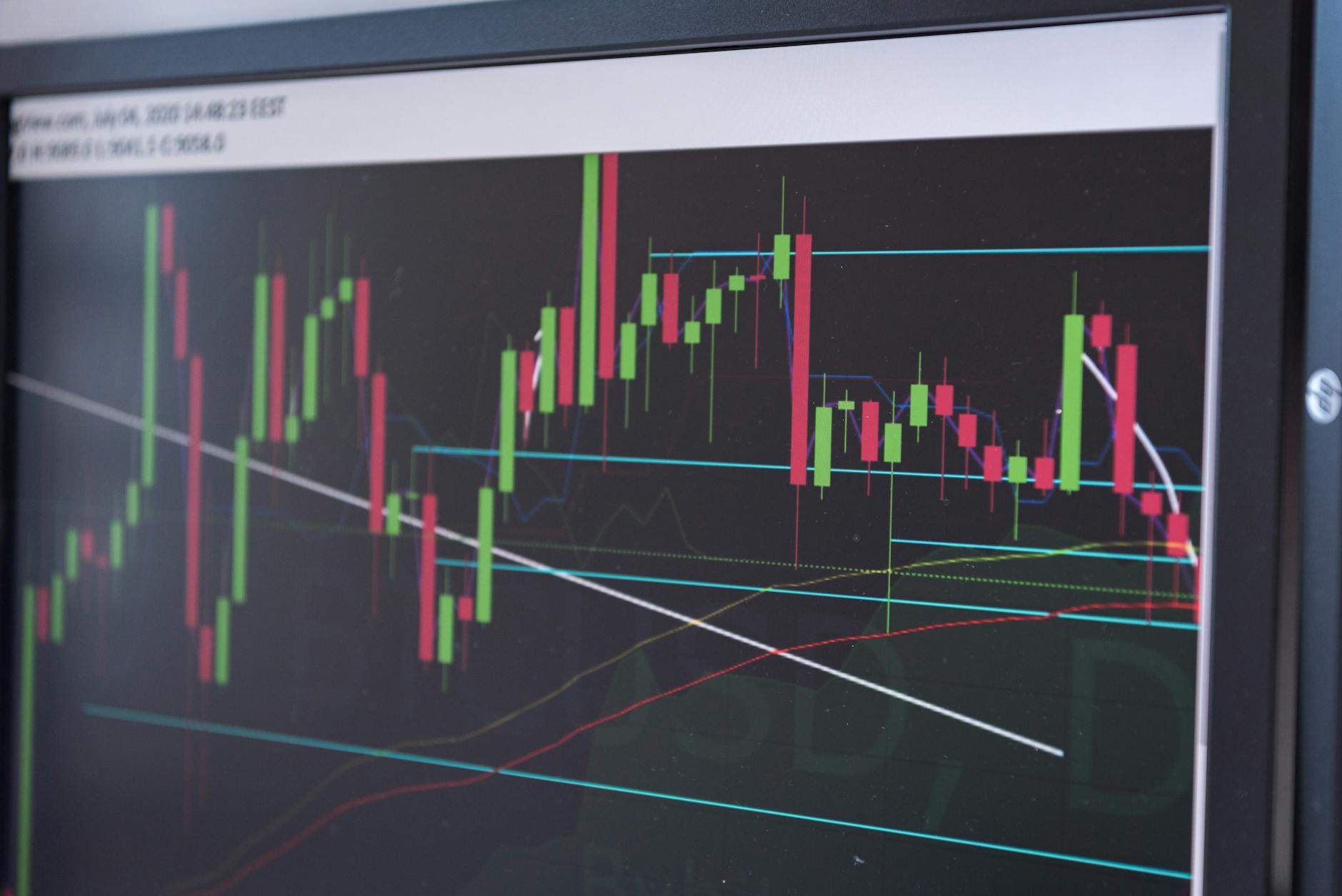
The most successful collectors and investors don’t just check price data once and make decisions. They track prices over time, watching for patterns and anomalies. Using real-time platforms like PokeScope and CardValue, you can set up alerts for specific cards and monitor when prices move. If you notice a card trending upward over several weeks, that’s data worth paying attention to. If a card suddenly drops 20%, understanding why—was there a big seller dumping inventory? Did new market data shift sentiment?—is crucial to knowing whether it’s a buying opportunity or a sign of softening demand. Your tracking system should compare at least three data sources regularly. Spend 15 minutes weekly looking at your target cards across TCGPlayer, eBay sold listings, and PSA price history. Note the asking prices, the actual sold prices, and the spread between them.
A wide gap between asking and selling price suggests weak demand or overpriced inventory. A narrow gap means the market has strong agreement on value. This discipline helps you spot when price data is aligned across platforms versus when one source is out of sync. The tradeoff of detailed price tracking is time investment. A casual collector checking prices once a month needs a simpler system, maybe just one or two data sources. But if you’re serious about buying, selling, or building a high-value collection, spending time understanding price movements pays dividends. Many collectors automate this by using spreadsheets or apps to track their inventory and watch lists, pulling data from multiple sources to build a personal price database. This gives you long-term historical context that no single platform provides on its own.
Avoiding Common Price Data Mistakes
One of the most costly mistakes is confusing average price listings with actual market value. When you see a card listed at an average of $800 on TCGPlayer, that’s an average of active listings—not a guarantee of what you’ll get if you sell or what you should pay if you buy. Some sellers list aggressively high. Some are deeply underpriced. Price data that relies on averages can distort your understanding, which is why looking at individual recent sales on eBay is more reliable than relying on algorithmic price averages. Another critical mistake is ignoring listing duration. A card that’s been listed at $1,000 for three months is sending a signal that $1,000 is too high. Price data should be weighted toward recent, completed transactions, not stale listings.
This is where eBay sold listings shine—they filter out the noise of old, inactive listings. Similarly, don’t put too much weight on a single high sale. If one collector paid $2,000 for a card but it hasn’t sold at that price since, your price data shouldn’t anchor to that outlier. A final warning: seasonal and event-driven spikes are real, and they can make historical price data misleading. New Pokémon TCG set releases, tournament announcements, and social media trends all create temporary price surges. A price data point from before a major announcement is stale. A popular YouTuber featuring a specific card can spike its price temporarily, only for it to normalize weeks later. If you’re using historical price data to justify a purchase today, make sure you understand the current context. Buying at the peak of a hype cycle based on old price data is how collectors lose money.

What Q1 2026 Price Data Reveals About Current Collector Preferences
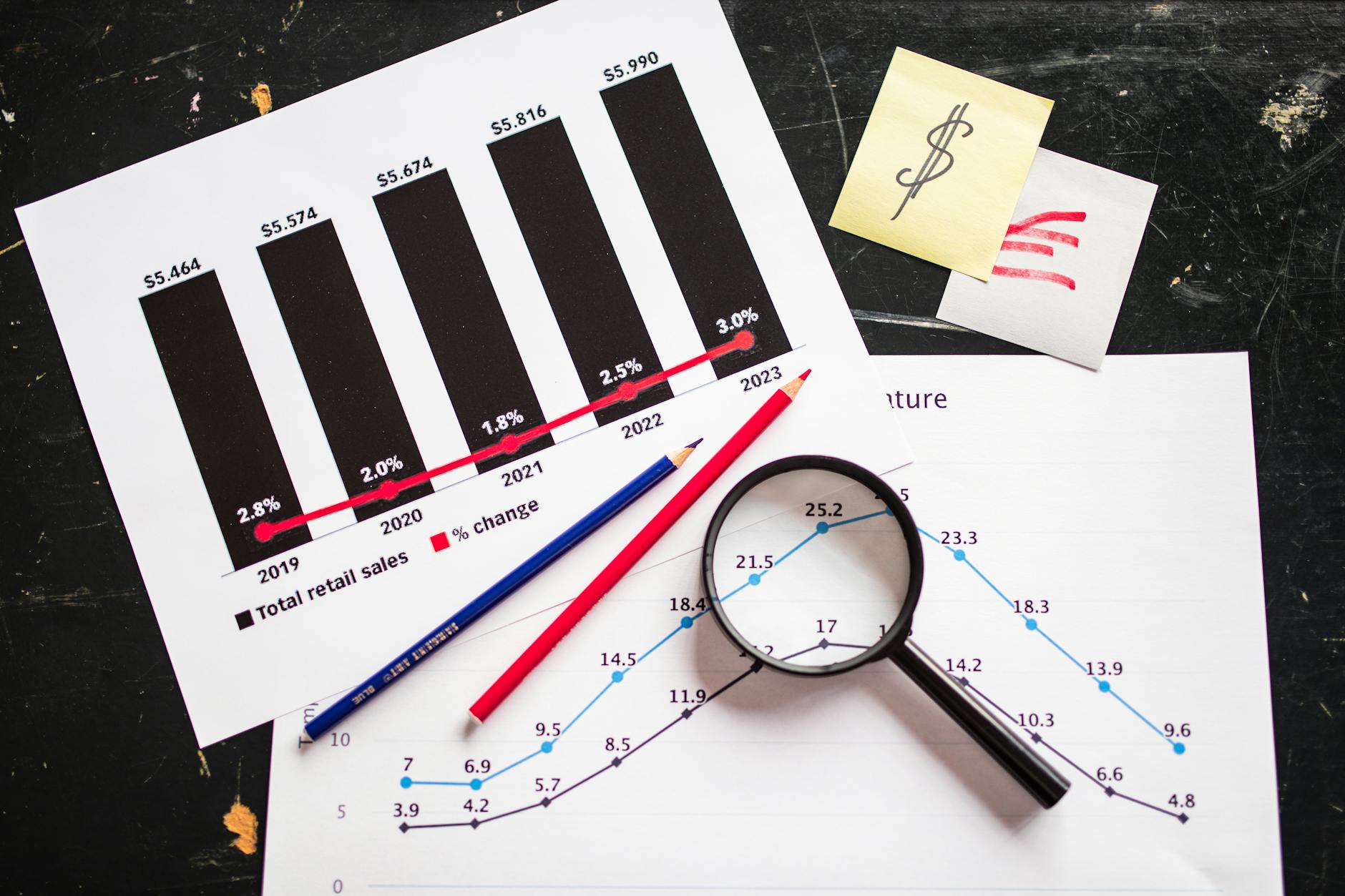
As of April 2026, price data shows clear preferences among collectors. Vintage cards from Base Set, Neo Genesis, and Skyridge maintain strong, stable values. These are the blue-chip investments of the Pokémon card world—their price data is consistent, backed by deep collector interest and long-term appreciation. Meanwhile, modern cards are showing a different pattern. Alternate Art cards and Special Illustration Rare cards from recent sets command premium prices and show strong growth in price data compared to standard holos from the same sets. The PWCC 500 index, which tracks investment-grade graded cards, showed 847% appreciation since January 2020—far outpacing the S&P 500’s 142% gain over the same period.
This historical price data demonstrates that high-grade rare Pokémon cards have been a genuinely strong asset class for collectors who bought at reasonable valuations. However, this should not make you assume all cards will follow that pattern. Price data that’s extreme or based on small sample sizes (a few sales of a card) can be misleading. The strong overall market performance masks individual cards that have plateaued or declined. Understanding current collector preferences from price data helps you predict where value is likely to flow. If price data consistently shows Alt Arts and SIRs outperforming standard holos, newer sets might offer better near-term upside than waiting for older cards. Conversely, if you’re buying for long-term stability, vintage cards with established price history tend to offer more predictable returns.
Using Historical Price Data to Make Forward-Looking Decisions
The ultimate purpose of understanding price data is to make better decisions about which cards to buy, when to sell, and when to hold. Historical price data tells you whether a card is in an uptrend, consolidating at a floor, or declining. A card that’s been climbing steadily for six months is different from one that spiked once and fell back. Price data patterns over time give you clues about structural demand versus temporary hype.
Looking ahead, the role of real-time price data will only grow more important. As more collectors use PokeDATA, PokeScope, and similar tools, market efficiency increases—meaning overpriced cards get discovered and corrected faster. This actually makes price data more reliable, because outlier sales become rarer. For collectors in 2026 and beyond, the question isn’t just “what’s the current price?” but “what does the entire price history of this card tell me about whether now is the right time to act?” That historical context transforms price data from a static number into actionable market intelligence.
Conclusion
Using price data for rare Pokémon cards comes down to a few core principles: compare multiple reputable sources rather than relying on one, always account for grading and condition since they create massive price multipliers, and understand that historical data matters as much as current price listings. The platforms that matter most are TCGPlayer for current listings, eBay sold listings for actual transaction data, and PSA price history for graded card benchmarks. Supplement these with real-time tools like PokeScope and CardValue if you’re actively trading.
The key to avoiding costly mistakes is treating price data as market intelligence rather than gospel. Monitor prices over time, understand seasonal and event-driven shifts, and remember that population reports and collector sentiment can change faster than price data reflects. Whether you’re buying a single card for your collection or managing an investment portfolio of rare cards, the collectors who win are those who systematically gather, track, and interpret price data instead of making isolated decisions based on a single number.