Hidden strength in Pokemon cards refers to cards whose competitive viability, long-term collectibility, or raw power far exceed what casual headlines and trending lists suggest. When headlines trumpet that a particular card is “the next big thing,” savvy collectors are already looking past the noise to identify undervalued cards with genuine strength—cards that may lack flashy artwork or recent hype but possess the attributes that matter to serious players and investors. The difference is substantial: a card featured in every social media post might peak in value quickly and collapse when the trend shifts, while a card with hidden strength compounds in value as more players discover its actual utility. Consider the Pikachu Illustrator card from 1997.
In 2010, it wasn’t a headline-dominating card in the general market. Its true strength lay with a specific, knowledgeable subset of collectors who recognized its extreme rarity and historical significance. By recognizing this hidden strength early, collectors who purchased at reasonable prices (when the market hadn’t caught up) saw exponential returns when mainstream awareness finally arrived. The strategy is not to chase what’s hot right now, but to identify what will remain relevant when the hype cools.
Table of Contents
- What Is Hidden Strength and Why Does It Matter More Than Headlines?
- How to Identify Real Value Beneath the Surface
- The Role of Card Condition and Certification in Hidden Value
- Building a Strategy Around Hidden Strength Rather Than Trends
- Common Pitfalls That Trap Buyers Looking for Hidden Strength
- Case Study: How Hidden Strength Emerged in Modern Pokemon Collecting
- The Future of Hidden Strength in Pokemon Cards
- Conclusion
- Frequently Asked Questions
What Is Hidden Strength and Why Does It Matter More Than Headlines?
Hidden strength is the actual competitive value, scarcity, or long-term demand that underpins a card’s worth. Headlines typically focus on immediate factors: a card appeared in a tournament winning deck, it was just reprinted, or a celebrity mentioned it. These factors create short-term attention but don’t necessarily reflect whether a card will hold or gain value. Hidden strength, by contrast, emerges from deeper analysis—examining card mechanics, set composition, historical patterns, and the genuine player base that needs these cards. The key distinction is permanence.
A headline fades within weeks or months as the news cycle moves forward. Hidden strength compounds over years. A card like Lugia ex from Legendary Treasures may never trend on Reddit, but it remains fundamentally valuable to competitive players building specific deck archetypes. The players who recognize this and stock copies before everyone discovers the synergy are the ones who benefit most. You’re not betting on headlines; you’re investing in cards that solve problems for the game itself.

How to Identify Real Value Beneath the Surface
Identifying hidden strength requires moving beyond social media sentiment and looking at structural factors. Start by examining the card’s mechanics against the current metagame. Does it fill a gap that competitive players actually need filled? A card that offers a specific type of resistance or attack effect that addresses a major threat in tournaments has hidden strength, regardless of whether streamers are talking about it. Cross-reference tournament results from the past six months: if the same cards keep appearing in winning decklists, those cards have demonstrated strength. Set rarity is another crucial indicator.
A card printed in limited quantities from an older, smaller set has hidden strength that a widely available modern card simply cannot match. The supply constraint is permanent—no new copies will enter the market from that original set. However, a limitation here: hidden strength based purely on rarity can collapse if competitive relevance disappears. A rare card from a set no longer played competitively may hold some collector value, but not the sustained growth you get from cards that are both rare and functionally useful. The strongest hidden strength combines scarcity with ongoing demand.
The Role of Card Condition and Certification in Hidden Value
Condition matters intensely for hidden strength, particularly for older cards. A near-mint copy of an already-valuable card can command a significant premium over a lightly played version, even if both are playable. This is where certification comes in: grading services provide the standardization that serious collectors require when making significant purchases. A PSA 8 card carries more hidden strength in terms of future liquidity than the same card ungraded, because potential buyers can verify the condition without risk. However, condition-focused investment carries a tradeoff.
Pursuing gem-mint graded copies means paying substantially more upfront. Your capital is tied up in the premium-condition copy of a card rather than acquiring multiple copies of the same card in moderate condition. If your goal is competitive utility, the difference between PSA 8 and PSA 6 is invisible—both play identically. If your goal is long-term appreciation and resale, condition matters enormously. A warning: do not assume that a high grade automatically means hidden strength. If the card itself lacks fundamental competitive or collectible appeal, the grade merely slows the decline rather than reversing it.

Building a Strategy Around Hidden Strength Rather Than Trends
A practical approach starts with identifying your specific player profile. Are you collecting for competitive play, long-term investment, or nostalgia? The answer determines what hidden strength means to you. A competitive player should focus on identifying mechanics and synergies that the professional metagame hasn’t fully exploited yet—cards that fill specific roles in emerging archetypes. An investor should focus on cards combining competitive relevance with supply constraints and historical precedent for appreciation. A nostalgia collector should prioritize cards with genuine historical significance within their chosen era or set.
Once you’ve identified your profile, build a watchlist of cards that fit the hidden-strength criteria for that profile. Monitor tournament results, player forums, and set analyses for mention of these cards in functional contexts rather than hype contexts. When you see a card appearing in three different winning decklists across different regions, that’s hidden strength expressing itself. The optimal buying window is typically before the fourth or fifth appearance, when awareness is still limited among casual collectors but utility is proven. This approach requires patience and discipline—you’ll frequently see cards you identified as valuable suddenly trend on social media months later, and the discipline not to chase them as they peak is what separates successful strategy from reactive buying.
Common Pitfalls That Trap Buyers Looking for Hidden Strength
One frequent mistake is confusing scarcity with value. A card can be genuinely scarce—printed in tiny numbers, long out of print—and still have minimal hidden strength if no one actually wants to play it or collect it. Error cards, misprints, and regional variants are often rare, but they attract only highly specialized collectors. Unless you’re specifically entering that niche, rarity alone is insufficient. The hidden strength you’re seeking must combine scarcity with active demand from either competitive players or serious collectors.
Another pitfall is overestimating your ability to predict future competitive viability. The Pokemon trading card game evolves continuously, with new set releases dramatically shifting what’s viable. A card you identify as having hidden strength because it counters the current meta might become completely obsolete in three months when a new set rotates in with counters to those counters. A warning: do not invest heavily in cards based on hidden strength in the current competitive landscape without acknowledging that competitive relevance can evaporate quickly. The hidden strength that actually compounds over years typically combines competitive utility with collector demand that exists independently of the competitive environment.

Case Study: How Hidden Strength Emerged in Modern Pokemon Collecting
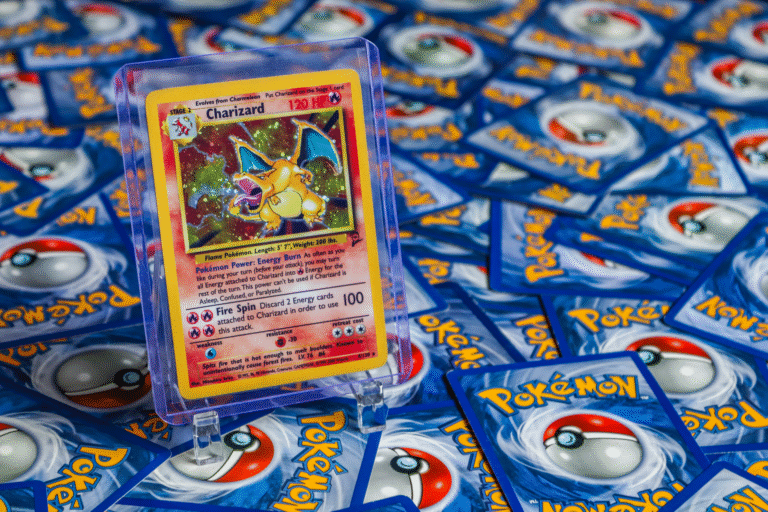
The Charizard from Base Set provides an instructive example, though it’s no longer hidden strength. In the early 2000s, copies of this card were abundant and relatively affordable because the card itself, while iconic, was not exceptional in competitive play. The hidden strength lay in its artistic significance, cultural relevance, and finite supply from an era when production numbers were incomparably lower than modern sets. Collectors who recognized that Charizard’s status as a cultural icon would eventually make it valuable across both competitive and casual audiences could acquire copies cheaply.
By the time the headline media arrived in 2020, when Logan Paul opened Base Set boxes and Charizard cards commanded four-figure prices, the hidden strength had already been expressed. A more contemporary example involves cards from the Crown Zenith set, a small set from 2023 that received limited production. Several cards from this set demonstrated hidden strength because the combination of limited print run and functional utility in emerging deck archetypes created both scarcity and demand. Collectors who researched competitive forums and tournament results identified specific cards months before they became mainstream news, and were able to accumulate copies before scarcity became obvious to casual buyers.
The Future of Hidden Strength in Pokemon Cards
The Pokemon Company’s production strategy and set schedule will continue shaping which cards develop hidden strength. Smaller sets, reprints of older mechanics that suddenly become relevant, and cards from borderline popular sets that suddenly find applications all represent future opportunities for identifying hidden strength. The broader trend toward premium products (Charizard UPC boxes, special collections) means that hidden strength may increasingly reside in older, out-of-print products rather than new releases, where production volume is intentionally massive.
Looking forward, the convergence of competitive play, investment interest, and casual collecting means hidden strength will increasingly reward those who monitor multiple communities simultaneously. A card that competitive players recognize as broken, serious collectors identify as rare, and casual buyers eventually chase for nostalgia represents the ideal hidden-strength opportunity. These convergences are predictable if you’re watching the right signals rather than the same headlines everyone else is reading.
Conclusion
Buying hidden strength instead of headlines means shifting your focus from what’s trending today to what will remain valuable tomorrow. The process requires research across tournament results, set analysis, and collector communities—not social media sentiment. Cards with hidden strength combine genuine functional utility or cultural significance with supply constraints and demonstrate demand from specialized communities before that demand goes mainstream.
Start by identifying your specific collecting or investment goal, then build a systematic watchlist of cards that meet hidden-strength criteria for that goal. Monitor these cards in functional contexts rather than hype contexts. When you identify a card that serves a genuine need and exists in limited supply, that’s your signal to acquire before broader awareness arrives. The patience to hold positions while watching others chase headlines, combined with the discipline to exit when hidden strength becomes obvious headline news, is what separates profitable collecting from reactive buying.
Frequently Asked Questions
How do I know if a card has hidden strength versus just being rare?
Check whether the card is actively used in competitive decklists or sought after by serious collectors for reasons beyond rarity. A truly hidden-strength card has demand that can be verified through tournament results, player forums, or collector community discussions. Rarity alone, without this underlying demand, is not hidden strength.
Should I focus on older cards or newer cards when looking for hidden strength?
Both have merit, but for different reasons. Older cards offer supply constraints that are permanent and proven, but their competitive relevance may be limited. Newer cards still maintain competitive utility but haven’t had their supply fully determined. The strongest hidden-strength opportunities often come from overlooked cards in small or unpopular sets from five to fifteen years ago.
How much should I pay for a hidden-strength card before I’m just chasing the same trend as everyone else?
This varies by card, but the key is buying before widespread awareness. When you can still find the card at reasonable prices from multiple sellers, you’re likely in the window. Once prices spike across all major platforms simultaneously, the hidden strength is being expressed and you’ve missed the opportunity.
Can a card have hidden strength in one aspect (competitive) but not another (collectibility)?
Absolutely. Some cards are mechanically powerful but lack rarity or historical significance, so they may spike competitively and then decline. Others are collectible but not competitive. The strongest investments combine strength across multiple dimensions—rarity, competitive utility, and cultural or historical significance.
What’s the difference between hidden strength and undervaluation?
A card can be undervalued temporarily (the market hasn’t caught up yet) without having hidden strength (genuine demand is limited). Hidden strength is a structural property of the card—it has real value waiting to be discovered. Undervaluation is a temporary market inefficiency that will eventually correct regardless of whether the correction is upward or downward.