
Buying better Pokémon cards while ignoring hype cycles means focusing on intrinsic value—condition, rarity, print edition, and actual demand—rather than reacting to sudden price spikes driven by social media trends, celebrity endorsements, or artificial scarcity announcements. A practical example: in early 2023, first edition Shadowless Base Set cards experienced a genuine surge based on legitimate scarcity and condition rarity, while a common Pokémon card from a recent set might spike 300% in a single week purely because a TikTok influencer opened a lucky pack, only to crash weeks later when the hype fades.
The core problem collectors face is distinguishing between meaningful value increases and temporary market noise. Most hype cycles in the Pokémon card market follow a predictable pattern: a card or set gains visibility, casual buyers rush in pushing prices up, early speculators exit, and prices fall back to sustainable levels. By understanding what actually drives long-term card value, you can identify opportunities to buy quality cards at reasonable prices while others chase fleeting trends.
Table of Contents
- What Makes Hype Different From Legitimate Scarcity?
- The Dangers of Buying During Peak Hype Periods
- Understanding Print Runs and Edition Markers
- Building a Buying Framework That Ignores Trends
- Recognizing and Avoiding Social Media-Driven Bubbles
- Using Price History and Market Data
- Looking Beyond Current Trends
- Conclusion
- Frequently Asked Questions
What Makes Hype Different From Legitimate Scarcity?
Hype is emotional demand disconnected from supply fundamentals. Legitimate scarcity is based on real production limits, print runs, or historically documented rarity. The difference matters because hype eventually corrects, but true scarcity typically doesn’t. A card that genuinely exists in low quantities—like a first edition Charizard from Base Set or a shadowless variant—will maintain collector interest regardless of trend cycles.
Compare this to a recent vintage reprint that suddenly becomes “trending” on YouTube: demand spikes, everyone online claims it’s the next big investment, then the supply catches up or interest moves elsewhere and prices normalize. Print editions are one of the clearest signals of real scarcity versus hype. Unlimited Base Set holos are far more common than first edition versions of the same card, which is why first edition commands a premium that’s actually justified by availability. A hype-driven spike, by contrast, often ignores print edition information entirely. You might see collectors and investors treating an Unlimited version the same as a first edition during a frenzy, but that premium evaporates the moment new inventory enters the market or attention shifts to the next hyped card.
The Dangers of Buying During Peak Hype Periods
The biggest risk of buying during hype peaks is simple overpayment. When a card‘s price has increased 400% in three months, you’re almost certainly in a bubble phase. The buyers experiencing FOMO are often the ones who buy at the absolute highest point, right before prices fall 30-50% once the cycle completes. this isn’t hypothetical—it’s happened repeatedly in Pokémon cards: specific vintage cards spiked dramatically during the 2020-2021 boom, people bought near the peak thinking it was the start of a bull run, and many saw their purchases drop 40-60% within 12-18 months.
Another limitation of hype-cycle buying is that condition standards often get ignored. During peaks, collectors become less careful about grading and condition, accepting lower grades at premium prices because they’re caught in the momentum. You might pay $1,500 for a card graded as near-mint during a hype surge, only to realize later that similar cards in the same grade should cost $600-700 in normal market conditions. The condition premium disappears faster than the price itself, and you’re left holding a card that cost you 2x what a logical buyer would pay.
Understanding Print Runs and Edition Markers
Print editions tell a factual story about supply. First edition Base Set, shadowless Base Set, and unlimited Base Set represent different production periods with genuinely different quantities printed. First editions are rarest, shadowless second, and unlimited far more common. This hierarchy isn’t opinion—it’s production history. When evaluating cards, always check the edition indicator (the small mark on the left side of the bottom of the card). It’s the single most important data point for vintage pokémon cards because it directly affects supply.
Newer sets don’t have the same edition distinctions, but they do have print run information. Special editions, theme decks, and promotional copies from different eras are released in different quantities. A secret rare card from a limited special set will have different supply dynamics than a regular rare from the same set released in bulk. Hype often ignores these technical distinctions entirely. You’ll see casual buyers treating all holos of the same card as equivalent during peaks, when actually some versions have 5-10x lower print runs than others. This misunderstanding is exactly what creates opportunities for informed collectors.
Building a Buying Framework That Ignores Trends
Develop a personal buying system based on criteria you decide in advance, not in response to market movement. This might include: cards you actually want to own (not just flip), grades and conditions you’ll accept, maximum prices you’ll pay per card, and specific print editions you’re targeting. When you have this framework written down before entering the market, you’re far less vulnerable to hype. During peak excitement, your framework acts as a circuit breaker preventing impulsive purchases.
Compare two approaches: Collector A sees a card trending on YouTube and buys three copies at peak price out of FOMO, spending $2,000. Collector B has a list of cards they want to collect, maximum prices they’ll pay based on historical data, and places bids well below asking price. When the hype fades, Collector A’s $2,000 in cards might be worth $800-1,200. Collector B might have successfully purchased one card for $700 six months later, which stays stable because they bought at a sustainable price. The tradeoff is patience—you don’t get the cards immediately, but you avoid catastrophic overpayment.
Recognizing and Avoiding Social Media-Driven Bubbles
Social media creates real-time visibility into buying activity, which distorts perception of rarity and demand. When a card shows up in ten YouTube openings in one week, casual collectors conclude it’s rare and valuable when actually it’s just getting algorithmic visibility. The algorithm favors engagement, not accuracy, so cards that are opened by popular creators get promoted disproportionately to their actual rarity. A warning: treat YouTube “pack opening hauls” and TikTok “lucky pulls” as entertainment, not market research.
Another warning is that influencer partnerships and sponsored content disguise marketing as neutral discussion. A creator who receives product shipments has financial incentive to create hype around those cards. The products pushed by multiple creators simultaneously are often the products they were sent to promote, not necessarily the products that represent actual collector value. Check what cards got promoted three months ago—you’ll notice most of that hype completely evaporated. Compare that to cards that appreciated steadily without viral moments, and you’ll see where real value actually exists.
Using Price History and Market Data
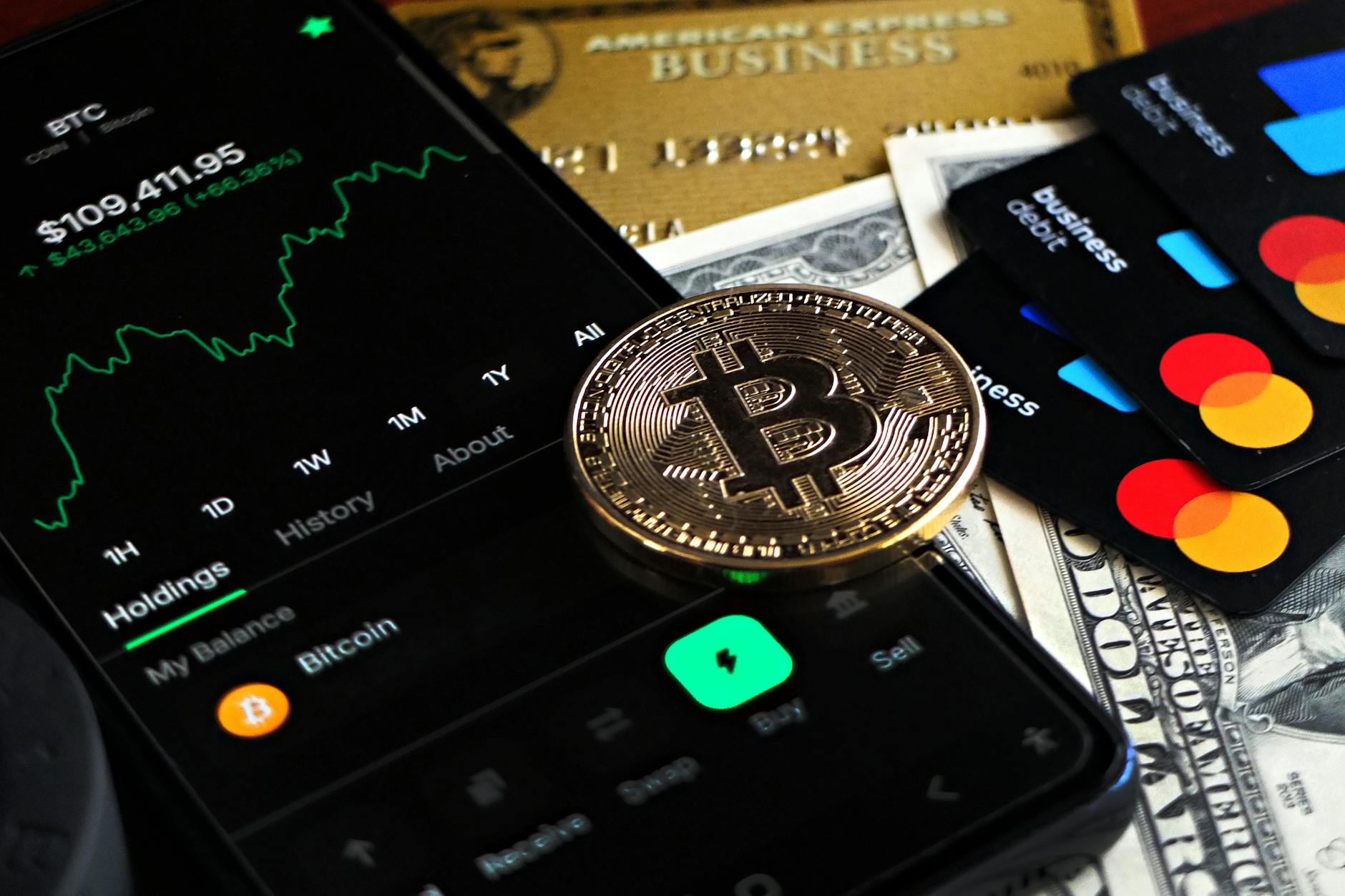
Pull actual price data over time instead of relying on current asking prices. PSA 10 sell prices on eBay, specific graded copies on Pwcc, and price aggregators give you historical context. A card that’s $50 today might have been $12 last year. That 400% increase looks dramatic until you see it jumped from $12 to $48 in six weeks, then stabilized. That kind of chart shows a correction-prone bubble differently than a card that climbed steady from $12 to $50 over two years.
Real appreciation is gradual and steady; hype-driven appreciation is sudden and volatile. Example: A specific vintage holo that spiked to $300 in 2021 during the boom might be $90 today. That doesn’t mean it was a bad card or that collector interest disappeared entirely. It means the price during the boom was fundamentally unsustainable. If you’d bought at $90 today instead of $300 in 2021, you’re in a position to hold comfortably for long-term appreciation rather than managing a loss.
Looking Beyond Current Trends
The Pokémon card market matures every few years, and what maintains value changes as the collector base ages and preferences shift. Cards that hold value long-term tend to be those with established cultural significance (original Base Set holos, for instance) rather than recent chase cards that might be forgotten within a few years. Building a collection around cards with documented historical importance gives you more stability than chasing whatever’s trending now.
The forward-looking reality is that Pokémon collecting is becoming more sophisticated, with buyers increasingly paying attention to edition, condition, and provenance rather than social media sentiment. As the market professionalized, the gaps between informed and uninformed buyers widened. Ignore hype, master the fundamentals, and you’ll naturally end up on the right side of that divide.
Conclusion
Buying better Pokémon cards while ignoring hype cycles means focusing on verifiable scarcity, price history, and personal collecting goals rather than social media momentum. The mechanics are straightforward: understand what makes cards genuinely rare (print editions, production numbers), build a buying framework in advance so you’re not making decisions during emotional peaks, check price history to distinguish temporary spikes from real appreciation, and remember that every hype cycle eventually corrects.
The collectors and investors who win over years are the ones who buy during calm periods at reasonable prices, not the ones chasing the latest YouTube trend. Your next step is simple: pick three cards you actually want to own, research their historical prices and production details, set a maximum price you’d accept, and wait for calm market periods to execute. You’ll accumulate better cards at better prices and avoid the psychological stress of managing underwater investments.
Frequently Asked Questions
How do I know if a price increase is real demand or temporary hype?
Check price history over 12+ months. Real demand shows gradual appreciation; hype shows sudden spikes followed by corrections. A card that went up 30% steadily over a year has real support. A card that jumped 300% in six weeks is likely in a bubble.
Are vintage cards always a better buy than recent sets?
Not necessarily. Vintage cards have documented scarcity, which provides real price support. Recent cards that become popular can be flipped for quick profits but rarely hold value long-term. If you’re buying to hold, vintage is safer; if you’re comfortable with volatility and quick sales, recent sets can work.
Should I ever buy graded cards, or is raw better?
Graded cards from reputable graders like PSA add objective condition documentation and typically sell more reliably, but you pay a premium for grading. Raw cards are cheaper but require you to accurately assess condition. If you’re a new buyer, graded cards remove guesswork. If you’re experienced, raw cards often offer better value.
How do print runs affect newer sets without edition markers?
Newer sets use set symbols and collector numbers to track variants. Secret rare cards, special editions, and promo versions have different print runs. Research the specific product line before buying—a secret rare from a limited set isn’t comparable to a regular rare from a mainstream set.
What’s the biggest mistake collectors make during hype cycles?
Buying multiple copies of the same card at peak prices. During hype, buyers assume “more copies means more profit,” but when hype ends, you’re holding multiple copies of overpriced cards. Buy selectively, not speculatively.
How long should I wait before buying a hyped card?
Typically 6-12 months after the initial hype peak. By then, the correction has happened, new inventory has entered the market, and you can see the card’s sustainable price level. Patience is your most valuable tool.


