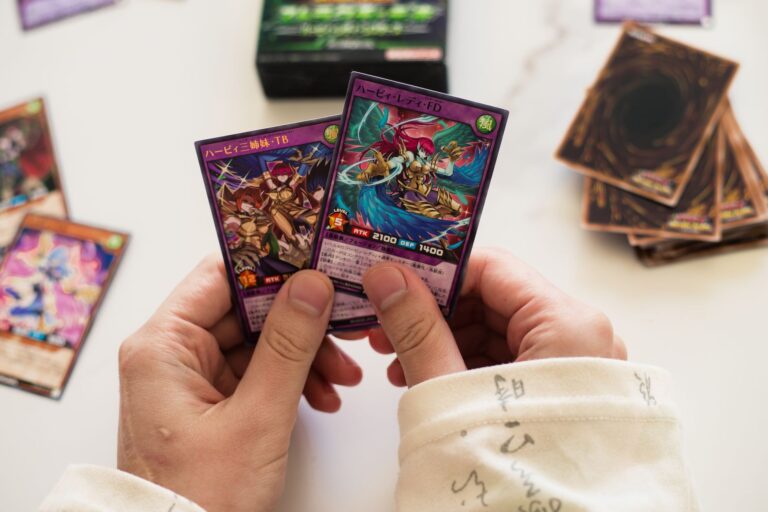
Demand for damaged Base Set Charizard cards has remained remarkably strong since 2016, though it has shifted in character and intensity. While pristine copies have captured most collector attention and media headlines, the market for played, worn, and heavily-damaged versions of this icon has evolved into a significant segment in its own right.
A damaged Base Set Charizard that sold for $30-50 in 2016 might trade for $150-500 today depending on condition, reflecting how even lower-grade copies have benefited from broader interest in first-edition Pokémon TCG cards. The strength of this demand reveals something important about card collecting that extends beyond rarity or condition: cultural significance and nostalgia drive pricing even when a card shows heavy wear. A played copy of Base Set Charizard carries the same legendary status as a mint example, and for many collectors, owning any version of this card—even one with creasing, stains, or edge wear—represents a milestone.
Table of Contents
- Why Has Damaged Base Set Charizard Demand Grown Since 2016?
- The Pricing Reality for Damaged Base Set Charizards Compared to Mint Examples
- Market Segments Within the Damaged Card Category
- Investment and Resale Considerations for Damaged Copies
- Authentication and Counterfeit Risk in the Lower-Grade Market
- How Vintage Print Quality Affects Damaged Charizard Demand
- Future Outlook for Damaged Base Set Charizard Values
- Conclusion
- Frequently Asked Questions
Why Has Damaged Base Set Charizard Demand Grown Since 2016?
The market for damaged Charizards expanded largely because the broader Pokemon card market exploded between 2020 and 2022, bringing millions of new collectors into the hobby. This influx created demand across all price tiers, not just high-end specimens. A collector with a $200 budget in 2016 could not afford a Base Set Charizard at any grade; that same budget in 2023 could secure a played or heavily-played copy, making the card accessible to demographics that previously couldn’t enter the market.
Grading companies also played a role by standardizing condition terminology and creating a transparent market structure. Before widespread third-party grading, buying a damaged card was risky—sellers used vague descriptions like “played” or “heavy play,” creating information asymmetry. Services like PSA, CGC, and BGS applied numerical grades (1-10 scale) that allowed collectors to understand exactly what they were purchasing. A PSA 3 (Very Good) or PSA 2 (Good) card could now be bought with confidence, which legitimized the lower-grade market segment.

The Pricing Reality for Damaged Base Set Charizards Compared to Mint Examples
The price gap between damaged and mint Base Set Charizards is substantial, but the relationship is nonlinear and depends heavily on the specific condition. A PSA 10 (Gem Mint) first-edition Charizard might sell for $40,000-100,000+, while a PSA 5 (Excellent) goes for $3,000-6,000, and a PSA 2 (Good) trades between $400-1,000. However, this isn’t a simple sliding scale—the jumps in price accelerate as you move into higher grades because rarity increases exponentially at the top end.
One critical limitation of the damaged market is visibility and liquidity. While PSA 9 and PSA 10 copies move regularly at predictable prices, damaged copies can sit for months on secondary marketplaces. A PSA 2 copy requires patience to sell and often sells for 10-20% below listed price on platforms like eBay or TCGPlayer due to lower demand from collectors. This is the practical downside: damaged cards are technically liquid assets, but their liquidity is significantly lower than higher-grade versions.
Market Segments Within the Damaged Card Category
Damaged Base Set Charizards exist across a wide spectrum, and demand varies considerably within that range. A lightly-played copy with minor edge wear and a clean surface (PSA 5-6) maintains strong demand because it remains visually appealing when displayed and commands respect in the collecting community. These cards trade at premiums relative to their rarity, sometimes selling at 60-80% of mint prices—a high ratio for damaged goods.
For comparison, damaged vintage cards in other collectible markets (classic automobiles, fine art) typically sell at 30-50% of mint value. More heavily-played copies (PSA 3-4) with visible creasing, staining, or surface wear enter a different market segment: the budget collector and the “experience seeker” who want to own the card regardless of condition. This segment has shown steady growth, particularly among collectors aged 18-35 who prioritize ownership experience over investment potential. A PSA 3 copy might be someone’s entry point to the hobby before they upgrade to a higher grade or pursue a graded 9.
Investment and Resale Considerations for Damaged Copies
If you’re considering a damaged Base Set Charizard as an investment, the returns are modest compared to higher grades, and the strategy requires patience. From 2016 to 2024, a PSA 5 copy appreciated roughly 3-4x in value, while PSA 9 copies appreciated 8-10x. The lower appreciation rate for damaged cards reflects the reality that condition becomes an increasingly important pricing factor as the broader market matures and collectors accumulate disposable income to chase higher grades.
The practical tradeoff is this: damaged copies offer lower barrier-to-entry and lower financial risk, but they also offer lower upside and higher holding costs in terms of time-to-sale. If you purchase a PSA 5 Charizard expecting to flip it in six months, you may find yourself holding it for 12-18 months before the right buyer emerges. This illiquidity risk is the primary disadvantage that separates damaged cards from mint versions in the investment hierarchy.
Authentication and Counterfeit Risk in the Lower-Grade Market
A significant warning for buyers of damaged Base Set Charizards: counterfeiting has become more sophisticated, and damaged cards present particular risk because visual imperfections can conceal manufacturing irregularities that separate authentic cards from fakes. A counterfeit Base Set Charizard with intentional creasing and staining might pass a casual inspection.
Always prioritize third-party authentication, especially for cards under $500, where the counterfeit-to-authentic price ratio is large enough to justify sophisticated fakes. The authentication risk is lower if you purchase from established dealers with documented provenance, but marketplace purchases from individual sellers carry elevated risk. One documented case from 2022 involved a seller moving PSA-graded counterfeit Base Set cards through secondary markets by obtaining authentic slabs and inserting counterfeit cards—a sophisticated scheme that affected lower-grade copies more than higher grades because volume is higher in that market segment.
How Vintage Print Quality Affects Damaged Charizard Demand
Base Set Charizard cards were printed across multiple print runs from 1999-2000, and later versions (unlimited print, shadowless variations) can show more fragility in printing and materials. First-edition copies tend to have slightly better cardstock and ink quality, which means they often show damage differently—a first-edition might develop sharp creases, while an unlimited copy might develop fuzzy edges more readily.
This variation affects demand because collectors specifically pursuing “played first-edition” copies may pay small premiums over unlimited or shadowless equivalents in the same grade. A PSA 3 first-edition Base Set Charizard might sell for $700 while a PSA 3 unlimited version sells for $450-500, creating a 40-50% premium. This premium exists partly due to rarity (first-edition printings were smaller) and partly due to collectibility preference, but damaged copies close this gap more than mint copies do because lower-grade examples are abundant in all print variations.
Future Outlook for Damaged Base Set Charizard Values
Looking forward, demand for damaged Base Set Charizards appears likely to remain stable or grow modestly. The hobby has matured substantially since 2020, and the new-collector surge has stabilized into a baseline larger than pre-2020 levels. This suggests sustained demand across price tiers, including damaged copies.
Additionally, younger collectors entering the hobby now view graded lower-grade cards as legitimate collectibles rather than “broken” versions, which should support future demand. One forward-looking consideration: as more high-grade copies enter circulation (through new discoveries of vintage collections), the supply of lower-grade copies may become relatively scarcer. If demand grows while supply tightens, damaged copies could appreciate faster than recent historical trends suggest. However, this depends entirely on whether the overall market maintains enthusiasm for vintage first-generation cards, which remains the fundamental driver of all Charizard demand.
Conclusion
Demand for damaged Base Set Charizard cards has strengthened substantially since 2016, driven by market expansion, improved grading standards, and the democratization of ownership through lower price points. While these cards lack the prestige and appreciation rates of mint versions, they occupy an important market segment that has proven resilient through market cycles and accessible to collectors across income levels.
If you’re considering purchasing a damaged Base Set Charizard, focus on authentication through reputable grading companies, understand that patience is required for resale, and price your purchase expectation realistically—these cards are collectibles first and investments second. For collectors seeking to own this iconic card without the five-figure price tag, damaged examples represent a legitimate and increasingly respected entry point into the vintage Pokémon TCG market.
Frequently Asked Questions
What condition grade should I target if I want a damaged Base Set Charizard to display?
PSA 5 (Excellent) or PSA 6 (Excellent-Mint) copies still look visually appealing on display while remaining significantly more affordable than PSA 8+ examples. Below PSA 4, visible creasing and surface wear become prominent enough that many collectors find them less satisfying for display purposes.
How much appreciation should I expect from a damaged Base Set Charizard over 5 years?
Historical data suggests 50-150% appreciation over five years for PSA 4-6 copies, depending on market conditions. This is substantially lower than mint copies but meaningful enough to justify purchase for collectors who also value ownership experience, not just investment return.
Are unlimited or shadowless Base Set Charizards in damaged condition worth less than first-edition copies?
Yes, typically 30-50% less at the same grade level. However, the gap narrows slightly in damaged grades (PSA 2-4) compared to mint grades because lower-grade copies are more abundant across all print variations, reducing the relative scarcity advantage of first-edition.
Can damaged Base Set Charizards be professionally restored or cleaned?
Professional restoration exists but is controversial in the collecting community and typically reduces resale value rather than increasing it. Most collectors and dealers view original condition—including damage—as preferable to cleaned or restored versions, so restoration investment usually loses money.
What’s the main risk I should understand when buying a damaged Base Set Charizard?
Counterfeiting risk is elevated in the lower-grade market because imperfections can conceal manufacturing irregularities. Always purchase graded copies from reputable sources, and be wary of ungraded damaged copies sold through secondary marketplaces.
How does a damaged Base Set Charizard compare to other damaged first-edition holos from Base Set in terms of demand?
Charizard maintains a significant demand premium over other Base Set holos (Blastoise, Venusaur, Dragonite) at every grade level, typically commanding 2-4x the price of other first-edition holos in the same condition. This premium is stable even in damaged grades.