
Scratches significantly reduce holographic Pokémon card prices—often by 50% or more. A single surface scratch on a holo card can drop its value from thousands of dollars to a fraction of that amount. The financial impact is dramatic: a card graded PSA 10 might sell for £10,000 while the same card with visible scratches, graded PSA 8 or lower, could fetch only £500 or even less.
For collectors and investors, understanding how scratches affect holo prices is essential, because condition differences in the holographic layer directly translate to whether your card is a premium collectible or a heavily discounted one. The reason scratches hit holo cards so hard is their visibility. Unlike non-holo cards where minor surface wear blends into the matte finish, scratches on holographic foil stand out dramatically. When you hold a holo card up to light, scratches become impossible to miss—they catch and break the reflective surface in ways that immediately signal lower condition to any experienced buyer or grader.
Table of Contents
- Why Are Scratches More Visible on Holographic Pokémon Cards?
- How Much Value Do Scratches Actually Cost Your Holo Cards?
- The Grading Ceiling—Why Visible Scratches Stop Cards at PSA 8 or Lower
- Detecting Scratches—How Collectors and Graders Assess Holo Damage
- Deep Scratches and the Holo Layer Problem—The Worst-Case Scenario
- Real Market Examples—Condition Premiums That Prove the Impact
- Protecting Your Holo Investment—Forward-Looking Preservation Strategies
- Conclusion
Why Are Scratches More Visible on Holographic Pokémon Cards?
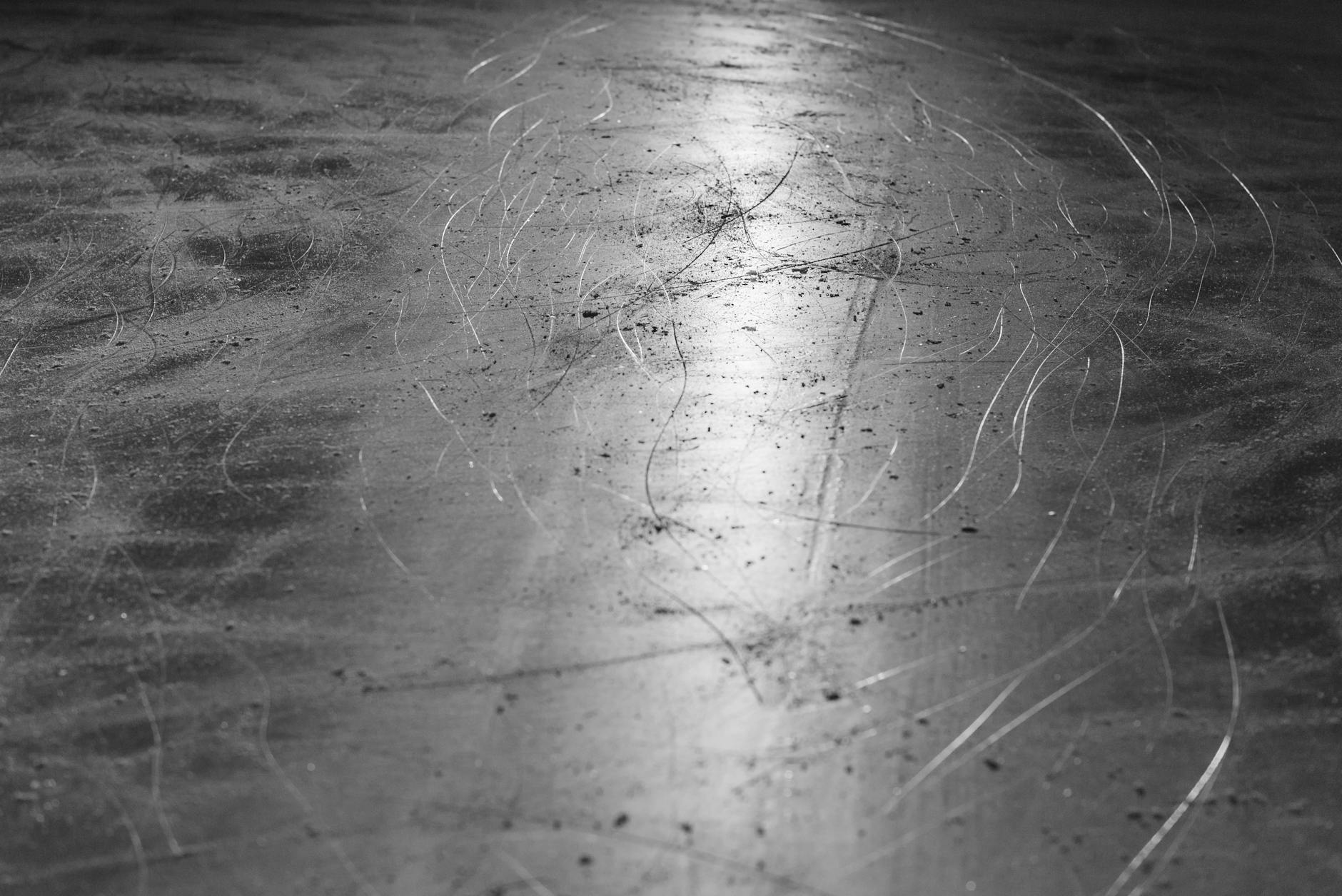
Scratches appear dramatically on holo cards because of how holographic foil reflects light. The reflective surface is designed to create that distinctive mirror-like effect that makes holo cards valuable and desirable. However, this same reflective quality means that any interruption in the surface—a scratch, scuff, or nick—becomes a visible flaw that catches light differently than the surrounding foil. Hold a holo card at an angle under bright light, and even microscopic scratches become visible lines or disruptions across the card face.
This visibility factor is what separates holo cards from their non-holographic counterparts. A surface scratch on a regular card might barely be noticeable, absorbed into the matte texture. On a holo card, that same scratch creates a distinct visual blemish. This is why condition graders scrutinize holo cards so carefully—the foil literally shows every imperfection. One collector might overlook a tiny scratch on a non-holo card, but the same scratch on a holo will immediately be noticed and factored into the card’s grade and valuation.
How Much Value Do Scratches Actually Cost Your Holo Cards?
Surface scratches can reduce card values by 50% or more, making the difference between a premium card and a budget card. To illustrate with real numbers: a moderately scarce holographic pokémon card might normally sell for £1,000 in excellent condition. With visible scratches across the holo surface, that same card might drop to £400-£500. For rarer cards, the percentage loss can be even steeper because collectors of high-value cards are far more particular about condition.
This pricing impact matters most for expensive cards. A £50 card losing half its value becomes £25—annoying but not catastrophic. A £5,000 card losing 50% becomes £2,500, which represents a genuine financial loss for investors. The harsh reality is that scratches aren’t a minor condition factor—they’re a primary valuation driver for holographic cards. Grading companies exist partly because the difference between PSA 9 and PSA 8 can mean thousands of dollars in price difference, and scratches are usually the decisive factor in that grade separation.
The Grading Ceiling—Why Visible Scratches Stop Cards at PSA 8 or Lower
Any visible scratch on the holographic surface typically prevents a card from achieving PSA 9 or higher grades. This is the critical threshold in Pokémon card collecting. A PSA 9 card is considered “mint condition” with only the slightest imperfections visible. A PSA 8 is still “near mint” but shows noticeable wear. The moment a scratch becomes visible on the holo, you’re looking at PSA 8 or lower—which fundamentally changes the card’s market value.
Even minor scratches can drop a card from PSA 9 to PSA 8, and that single grade point represents a massive price difference. A PSA 10 graded holo card can sell for 2-10x the price of the same card in PSA 8. That multiplier varies depending on the specific card—some cards have extreme rarity premiums at higher grades, while others have more modest spreads. But across the board, visible scratches are the primary obstacle preventing cards from reaching the elite grades that command the highest prices. The harsh reality is that once a scratch appears on the holo, the card’s ceiling is effectively capped at PSA 8 unless the scratch is somehow invisible to the naked eye and only detected under magnification (which is rare).
Detecting Scratches—How Collectors and Graders Assess Holo Damage
The standard method for detecting scratches is simple but essential: hold the card up to strong light and examine it at an angle. This technique reveals scratches that might not be visible under normal lighting conditions. Graders use light boxes and angled lighting specifically for this purpose—they’re not being overly harsh, they’re using the same conditions that potential buyers will use when viewing the card. If you’re considering buying a holo card or trying to assess your own collection, this is the test that matters.
Beyond the light test, collectors should examine the card under multiple lighting conditions and angles. A scratch that appears minor under overhead light might be far more obvious when viewed under natural sunlight or at a low angle. This is why condition assessments can differ between buyers—different lighting reveals different levels of damage. Professional graders use standardized conditions to eliminate this inconsistency, but private sellers sometimes market cards under flattering lighting to downplay condition issues. When evaluating a card’s price, always ask yourself: would this look acceptable under bright directional light? If not, you should price it accordingly.
Deep Scratches and the Holo Layer Problem—The Worst-Case Scenario
Scratches where the underlying silver holo layer is visible cause significantly more grade point deductions than surface scratches. When a scratch is deep enough to expose the underlying foil material, it’s no longer just a surface imperfection—it’s structural damage. These scratches typically lie outside the art box (the printed card image) and extend into the borders, making them even more glaring to anyone examining the card. A deep scratch that exposes the silver layer might drop a card two full grades instead of one. This distinction between surface scratches and deep holo damage is critical for valuation.
A light surface scratch might drop a card from PSA 9 to PSA 8. A deep scratch exposing the holo layer will likely result in a PSA 7 or lower. Cards with this level of damage are essentially disqualified from the premium collector market—they become trade-quality cards that appeal only to people building playable decks or casual collections. For investors or serious collectors, deep holo damage is essentially a financial catastrophe, transforming a potentially valuable card into a near-worthless one. This is why protecting your holographic cards from any surface contact is so important.
Real Market Examples—Condition Premiums That Prove the Impact
The dramatic price differences between conditions illustrate just how powerful the scratch factor is. Consider a hypothetical popular holographic Pokémon card: in PSA 10 condition, it might sell for £10,000. In PSA 9 (possibly with minor surface scratches), the same card might sell for £2,000-£4,000. Drop to PSA 8 with visible scratches, and you’re looking at £400-£800. At PSA 7 with more significant damage, the price falls to £100-£300.
These aren’t isolated examples—this pricing structure reflects how the market actually values condition differences driven primarily by scratch visibility. Professional auction houses confirm this pattern repeatedly. A pristine holo card with no visible scratches and a PSA 10 grade commands a premium that defies casual expectation. Meanwhile, the same card with visible scratches graded PSA 8 might struggle to find a buyer willing to pay even a tenth of the higher-graded version’s price. This explains why serious collectors spend money on grading—the grading fee (typically £10-£20 per card) becomes negligible when condition assessment might affect the final sale price by thousands of dollars.
Protecting Your Holo Investment—Forward-Looking Preservation Strategies
As Pokémon card values continue to fluctuate and the market matures, preserving your cards from scratch damage becomes increasingly important. Modern collectors are investing serious money in storage solutions—UV-protective sleeves, penny sleeves under top loaders, and sealed storage boxes—specifically to prevent the kind of surface damage that scratches cause. The investment in proper storage is minimal compared to the potential loss in card value from preventable scratches.
The future of Pokémon collecting will likely place even more emphasis on condition because digital verification and grading services are becoming more sophisticated. PSA and other grading companies are constantly refining their standards, and the market is moving toward greater transparency around condition assessment. This means that cards without professional grading will continue to face skepticism, and any visible flaw like scratches will be penalized harshly. For collectors holding cards they might sell in future years, maintaining pristine condition—free from scratches and other damage—isn’t optional if you want to preserve maximum value.
Conclusion
Scratches significantly impact holographic Pokémon card prices through multiple channels: they reduce value by 50% or more, prevent cards from achieving elite PSA 9-10 grades, and are immediately visible under the light-testing method that all serious buyers use. The financial difference between a scratch-free PSA 10 card and the same card with visible scratches graded PSA 8 or lower can easily be £5,000 to £10,000 or more, depending on the card’s rarity. This makes scratch prevention and condition assessment the most important factors for anyone collecting or investing in holographic Pokémon cards.
If you’re building a collection or considering purchasing holo cards, always inspect cards under bright directional light and factor scratches into your pricing. If you already own valuable holo cards, invest in proper storage to prevent future damage. The cost of UV-protective sleeves and top loaders is trivial compared to the value protection they provide. In the Pokémon card market, condition is destiny, and scratches are the single greatest threat to that condition.
You Might Also Like
- Why Low Sales Data Distorts Pokémon Prices
- How To Research Pokémon Variant Prices
- Why Two Same Grade Cards Sell For Different Prices