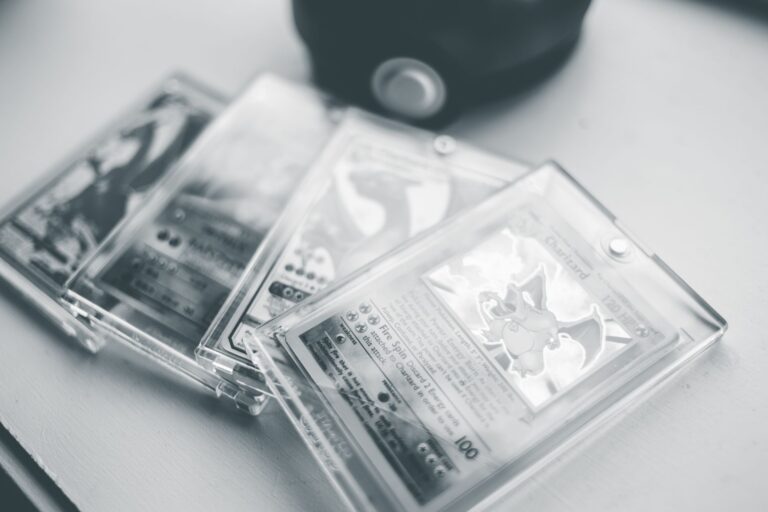
Resubmitting an EX Kyurem card to CGC for a potential grade 4 is moderately risky and generally not recommended unless the card has a significant grading defect from its previous holder. The primary risk is straightforward: you’ll spend $25–$100+ on grading fees for a $30–$150 card (depending on condition and the specific Kyurem EX version), with no guarantee the grade improves. You might receive the same grade, a lower grade due to different evaluator standards, or even slight wear introduced during transit. For example, if your Kyurem EX currently grades a 3, investing in a resubmission to chase a 4 means you need the card to appreciate $50+ in value just to break even financially—a difficult proposition for modern EX cards outside of first editions or promotional variants.
The risk calculus changes based on the card’s identity and your grading timeline. If you hold a rare variant (first edition, promotional release, or specific print line) with obvious centering or manufacturing defects from the original holder, resubmission makes more sense. However, for standard unlimited-print Kyurem EX cards, the cost of resubmission combined with market supply means you’re unlikely to recoup the investment. Most collectors and dealers avoid resubmitting cards graded below a 5 unless the card is high-value enough to justify the expense.
Table of Contents
- What Exactly Happens During Resubmission?
- Understanding CGC Grade 4 – Is This Grade Worth Pursuing?
- The Case of Modern EX Kyurem Cards and Variant-Specific Risks
- Cost vs. Benefit Analysis of Resubmission
- Potential Downsides and Grading Inconsistencies
- Condition Assessment Before Resubmission
- Market Value and Future Grading Trends
- Conclusion
What Exactly Happens During Resubmission?
When you resubmit a card that’s already been graded by CGC or another holder, you’re essentially asking a new evaluator to assess it fresh. CGC’s grading standards remain consistent in theory, but individual evaluators can interpret surface wear, centering, and corner wear differently. A card that graded a 3 from one evaluator might receive a 4 from another, but it could also receive a 2 if that evaluator spots wear you hadn’t noticed. The card itself doesn’t change during the grading process—it’s photographed, evaluated under standardized lighting, and placed in a new slab if the grade differs.
The Kyurem EX line presents a specific grading challenge because these cards (primarily from Plasma Freeze and later sets) have textured borders and foil patterns that can reflect light differently depending on the angle. This texture sometimes masks minor wear but can also make evaluators more conservative. A centering issue that seemed minor at a 3 might look more pronounced under fresh scrutiny. Additionally, if your card was previously graded by a less rigorous grading company, CGC’s standards—considered middle-of-the-road in the hobby—might produce a lower result than you expect.

Understanding CGC Grade 4 – Is This Grade Worth Pursuing?
A CGC 4 is a “Very Good/Excellent” card, meaning it has minor wear visible to the naked eye but no significant flaws. For modern Kyurem EX cards, a grade 4 sits at an awkward price point. The jump from a 3 to a 4 typically adds $20–$40 to value, but resubmission costs $25–$50 depending on turnaround time. You’re essentially betting that the new slab will increase the card’s desirability enough to justify both the grading fee and the risk of an unfavorable regrade. The limitation here is market demand.
Kyurem EX cards, while popular, don’t command the same prices as vintage Pokémon cards or rare alternate-art versions. A CGC 4 Plasma Freeze Kyurem EX might sell for $80–$120, while a CGC 3 version sells for $60–$90. That $20–$30 spread exists, but it doesn’t account for the fees you’ve already paid, your original grading cost, and the time invested. For comparison, if you were resubmitting a vintage Holo charizard or a 1st Edition Blastoise, the grade difference could mean hundreds of dollars—making resubmission rational. With Kyurem EX, that math rarely works.
The Case of Modern EX Kyurem Cards and Variant-Specific Risks
The Kyurem EX card exists in multiple printings, and which version you own matters significantly for resubmission decisions. The Plasma Freeze Kyurem EX (2013), the Thawed Out Kyurem EX full art variant, and later reprints all have different print quality and durability profiles. Cards from Plasma Freeze often show light centering issues and surface wear more readily than cards from later sets like Evolving Skies, which benefited from improved printing technology. If you own a lightly-played Plasma Freeze Kyurem EX currently graded a 3, resubmission could plausibly yield a 4 if the previous evaluator was overly strict about minor scratching.
However, if you own a standard unlimited Thawed Out variant or a more recent Kyurem EX printing, the market supply is significantly higher, which suppresses the grade-to-price multiplier. More cards exist in good condition, so a single CGC 4 example isn’t rare. A specific warning: don’t resubmit without confirming the current grade is legitimately conservative. Pull comps on recent sales of the same card at the same grade to establish baseline value. If CGC 3s and CGC 4s of your exact card are selling for nearly the same price, resubmission is a near-certain loss.

Cost vs. Benefit Analysis of Resubmission
A detailed financial breakdown shows why resubmission fails for most modern cards. Assume you own a Plasma Freeze Kyurem EX currently graded CGC 3, valued at $75. Resubmission via standard service costs $30. If it upgrades to a 4, the card appreciates to $105, netting you a $30 profit—which exactly covers the grading fee. But if it stays a 3 or drops to a 2, you’ve lost money.
The risk-reward ratio is one-to-one at best, and any downgrade creates a loss. Now compare this to a practical alternative: selling the CGC 3 now for $75 and purchasing a graded CGC 4 example separately. If CGC 4 versions sell for $105 on average, you’ll pay $30 more—but you avoid resubmission risk entirely and get an immediate certainty. Yes, you might find a CGC 4 at a discount, saving $10–$15. This is the real hidden cost of resubmission: the opportunity cost of deploying capital safely versus taking a speculative bet. For low-value cards under $200, the safer play is almost always to trade or sell and rebuy.
Potential Downsides and Grading Inconsistencies
One concrete risk in resubmission is grading variance across evaluators. CGC publishes grading standards, but human judgment is subjective, especially for surface wear and light scratching on foil cards. A second evaluator might interpret the same wear pattern differently. Some evaluators are known informally in collector communities to be stricter; others are perceived as more lenient. You have no control over which evaluator reviews your card, and if you’re unlucky, you might land an especially stringent grader on resubmission. Another downside is handling risk.
While CGC’s slabbing and shipping processes are professional, every time a card changes hands and enters the mail system, there’s a statistically small but real chance of damage. Slab corners can be scuffed, cards can shift inside older slabs, and environmental exposure (humidity during transit, temperature swings) can affect cards. For a card valued at $75–$120, this risk might feel negligible, but it exists. A final limitation is time value. If you’re resubmitting during peak grading season, turnaround might take 2–3 weeks or longer. During that time, your capital is locked, and market prices can shift. A Kyurem EX you resubmitted at market value might sell for less by the time you receive it back—especially if a new set release shifts collector attention away from Plasma-era cards.

Condition Assessment Before Resubmission
Before resubmitting any card, assess it honestly against CGC’s published grading guidelines. CGC grades on a scale of 1–10, with 4 defined as “Very Good/Excellent”—meaning the card has obvious wear but no major defects. Minor wear is acceptable: light scratches on the foil, slight fading on borders, and imperfect centering (within 55/45 to 60/40 ratio) are all consistent with a 4. Physically examine the card under bright, direct light from multiple angles.
Kyurem EX’s textured foil can be deceiving; what looks like light wear under normal lighting might be more pronounced under evaluator conditions. Check corners for whitening (a major grade depressor), edges for creasing or peeling, and the surface for deep scratches. If you notice any of these issues that you previously missed, your card might actually be appropriately graded at a 3 or even lower. A specific example: a Plasma Freeze Kyurem EX with light edge wear and 50/50 centering is more likely a CGC 3 than a 4, and resubmitting won’t change that. Only proceed with resubmission if you genuinely believe the previous grade was too harsh given your revised assessment.
Market Value and Future Grading Trends
The long-term market for modern Kyurem EX cards is stagnant compared to vintage Pokémon TCG or rare variants. Plasma Freeze cards had a modest resurgence around 2021–2022 due to nostalgia and set scarcity, but that peak has largely passed. Newer Kyurem EX printings (from Scarlet and Violet era) are significantly more abundant and lower-value. If you’re holding a Plasma Freeze Kyurem EX, the clock is somewhat against you—earlier is typically better for selling unless you believe a specific reprint or character relevance event will reignite demand.
Looking forward, CGC’s grading standards have remained stable, but the market’s appetite for graded modern cards is consolidating around high-end grades (7+) and rare variants. A CGC 4 modern card without special printing or promotional status is neither rare nor collectible enough to command a premium over raw condition. If you’re serious about Kyurem EX, consider holding raw copies or pursuing higher grades on truly exceptional printings rather than chasing a 4 on a standard unlimited version. The market is gradually rewarding scarcity and perfection over incremental grade improvements on common cards.
Conclusion
Resubmitting an EX Kyurem card for a CGC 4 grade is a below-average investment for most collectors and dealers. The financial arithmetic rarely works: costs typically approach or exceed the grade-to-value bump, and downgrade risk is real. The only scenarios where resubmission makes sense are if your card is a rare variant (first edition, promotional), the previous grade is demonstrably harsh (3 when it should be 4–5), or the card’s market value is high enough ($300+) that a single grade point justifies the expense.
For standard unlimited Kyurem EX cards in the $75–$120 range, you’re better served by selling at the current grade or purchasing a higher-graded example outright. Before resubmitting, pull recent comps on your exact card at both the current and target grades. If the price difference doesn’t exceed grading costs by at least 50 percent, skip resubmission. The hobby rewards patience and smart capital allocation far more than speculative regrading.