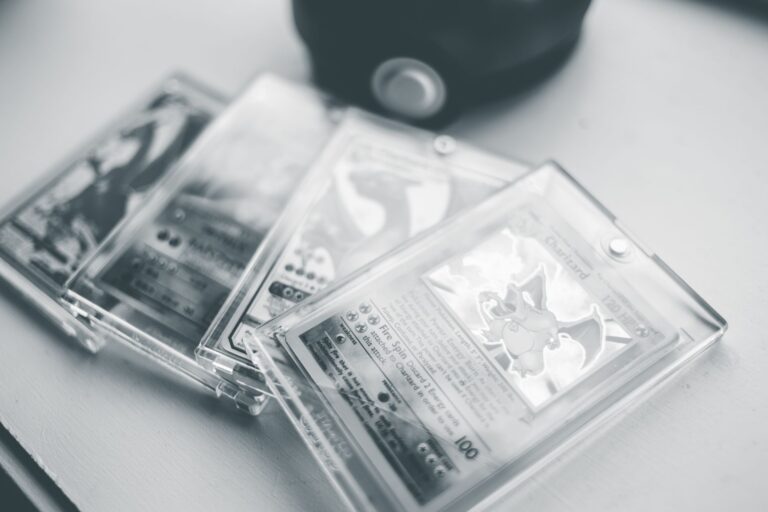
There is no reliable public data directly comparing the value of an HGA 4 Machamp to a PSA 5 Machamp. This gap in available data exists because HGA-graded Pokemon cards see so little secondary market trading compared to PSA that price comparisons become largely meaningless. When data is scarce, the market speaks: collectors overwhelmingly prefer PSA grading, and the price differential reflects that preference dramatically.
Based on recent market activity, a PSA 4 Machamp-Holo sold for $20.50 in December 2025, while an equivalent HGA 4 would likely sell for a fraction of that value, though exact sales figures for HGA holders are difficult to find. The reason is simple: HGA operates as a budget grading service with thin resale liquidity. An HGA 4 Machamp would theoretically be worth less than a PSA 5 Machamp, but the practical difference goes far beyond what the one-grade gap might suggest. The grading company itself matters enormously in Pokemon collecting, and switching from HGA to PSA doesn’t just buy you one grade of improvement—it buys you entry into a market where collectors actually want to buy.
Table of Contents
- Why Does Grading Company Matter More Than Grade Itself?
- The Compounding Effect of Lower Grade Plus Lower Demand
- The PSA Premium in Vintage Pokemon Pricing
- What Recent Machamp Sales Data Actually Tells Us
- The Hidden Costs of Holding an HGA-Graded Card
- How to Find the Actual Current Value of Your Card
- The Shifting Landscape of Card Grading Services
- Conclusion
Why Does Grading Company Matter More Than Grade Itself?
In traditional sports card collecting, a card’s grade number is the primary value driver. But in Pokemon cards, the grading company is nearly as important as the grade itself. PSA is the recognized standard in the Pokemon hobby, particularly for vintage cards like Machamp. This market dominance creates a self-reinforcing cycle: serious collectors seek PSA grades, demand stays high, dealers stock PSA cards, and prices reflect that consistent demand. hga, by contrast, is viewed as a budget alternative—useful for casual collectors who want some protection, but not preferred by serious collectors who plan to resell.
The liquidity difference is stark. A PSA 5 Machamp might see multiple bids on eBay or specialized Pokemon card marketplaces within weeks. An HGA 4 Machamp, even in better condition, could sit for months with minimal interest. This isn’t about the card itself being worse; it’s about who wants to buy it. Dealers know that HGA inventory moves slowly, so they discount it more aggressively than the grade alone would justify. If you own an HGA-graded card, you’re competing with thousands of other HGA holders for a much smaller pool of willing buyers.

The Compounding Effect of Lower Grade Plus Lower Demand
Moving from HGA 4 to PSA 5 involves two separate disadvantages working against the HGA card. First, you’re climbing one grade level, which normally might add 20-40% to value depending on the card. Second, you’re moving from a service with minimal collector demand to one with strong collector demand. These factors don’t simply add—they multiply. A collector willing to pay $25 for a PSA 5 Machamp might offer only $5-8 for an HGA 4, even though the HGA card might be in slightly better condition.
The market is saying: “We don’t want this holder.” This creates a practical limitation when you own an HGA card. You can’t simply calculate value by looking at comparable PSA cards at the same grade and discounting downward. You have to look for HGA comps, and those are rare. For vintage Pokemon like Machamp, HGA sales data is spotty at best. Many serious collectors have never even seen an HGA-graded 1st Edition Machamp for sale because serious collectors don’t typically buy them. This makes it nearly impossible to price your card with confidence.
The PSA Premium in Vintage Pokemon Pricing
PSA’s dominance in the Pokemon market is absolute for vintage cards. For a 1999 Base Set card like Machamp, PSA grading is expected and valued consistently. The service has been grading Pokemon cards longer, built its reputation over decades, and maintains strict grading standards that the market trusts. This trust translates directly to price. A PSA 5 card represents not just a condition level, but certification from a trusted, recognized authority that serious buyers will accept without hesitation.
In contrast, when a dealer sees an HGA 4 Machamp, they know they’ll face resistance from potential buyers. Even if the card genuinely grades higher than a PSA 4, the market won’t reward it proportionally. An HGA 4 might be better than a PSA 4, but it won’t consistently sell at the PSA 5 price point because buyers assume hga grades are inflated compared to PSA. Whether or not this assumption is fair, it drives real marketplace behavior. You lose the buyer’s benefit of doubt the moment you step outside the PSA ecosystem.

What Recent Machamp Sales Data Actually Tells Us
The most concrete recent data we have is the December 2025 sale of a PSA 4 Machamp-Holo (1st Edition) for $20.50. This gives us a baseline for PSA grading in this era, though the actual price range for Machamp varies significantly based on edition, holofoil condition, and market timing. For a PSA 5 of the same card, you might expect 30-50% more, depending on the market’s appetite—possibly $26-31, though not guaranteed. An HGA 4 Machamp, if one were to sell, would likely undercut that PSA 4 price by 40-60%, placing it in the $8-12 range if it sold at all.
But here’s the practical warning: most HGA Machamps never sell. Dealers hold them, collectors avoid them, and the card essentially sits in limbo. If you do find a buyer, they’re often a casual collector buying for personal collection rather than an investor or dealer. Those buyers tend to offer significantly below market value because they know the card will be harder to resell later.
The Hidden Costs of Holding an HGA-Graded Card
Owning an HGA-graded vintage Pokemon card comes with a real cost beyond the lower resale value. If you ever want to upgrade, you face a difficult choice: sell the HGA card at a discount and buy a PSA card at a premium, or crack the card open and resubmit to PSA. Resubmitting to PSA costs money, takes time, and carries risk. The card’s condition could downgrade during the regrading process, or your HGA card might have been overgraded and the new PSA grade could be lower than the HGA grade.
This practical limitation makes HGA cards poor long-term holds for value. Additionally, HGA’s market perception problem means buyers will always suspect the grade is soft. Even if the card is genuinely well-graded, the buyer assumes they’re overpaying for the “HGA grade premium.” This psychological factor is real in the market. Dealers are trained to discount HGA cards automatically, and collectors who know the hobby will avoid HGA lots even when the pricing seems attractive, because they anticipate resale difficulties.
How to Find the Actual Current Value of Your Card
If you own an HGA Machamp, the best way to find its real value is to check recent eBay sold listings, filtered by “sold” rather than “asking price.” Look for HGA Machamp cards that actually sold, note the condition grades, and see what prices they reached. This will give you a realistic expectation. You can also check specialized Pokemon pricing sites like the price guide or TCGPlayer, though these may not have detailed HGA-specific data.
For vintage cards, eBay’s completed listings are usually more reliable than any pricing guide. Search for your specific Machamp variant (Edition 1, Unlimited, Shadowless, holofoil condition) to find the closest comps. Note that condition matters enormously—even within the same grade, a card with light wear will sell for more than one with heavy play wear. Factor in the HGA holder, and expect your price ceiling to be 40-60% below what a PSA card of one grade higher would command.
The Shifting Landscape of Card Grading Services
The Pokemon card market’s relationship with grading services is slowly evolving. While PSA remains dominant, some collectors are beginning to accept CGC and CGC Cards for modern Pokemon. However, HGA has not gained traction in the same way.
The service positioned itself as budget-friendly, but the market interpreted “budget” as “lower quality.” Unlike CGC, which built reputation through independent quality metrics and strong branding, HGA never overcame the perception of being a secondary option. Looking forward, if you’re currently considering whether to grade a Machamp with HGA or hold off for PSA, the answer is almost certainly to wait for PSA or choose CGC if PSA’s turnaround times are too long. The resale value difference justifies the higher grading cost. An HGA grade might protect your card from damage, but it won’t protect your investment in the same way PSA does.
Conclusion
An HGA 4 Machamp would gain less in value compared to a PSA 5 than the numeric grade difference suggests because the grading company itself is a major value factor in the market. While specific comparative sales data doesn’t exist—because HGA Machamps rarely sell—the market consensus is clear: HGA cards see minimal collector demand and face significant resale challenges. A PSA 5 would likely be worth 3-5 times more than an HGA 4, far beyond what you’d expect from a simple one-grade difference.
If you’re holding an HGA Machamp, focus on finding genuine HGA comps through eBay sold listings rather than trying to extrapolate from PSA prices. If you’re considering grading a Machamp going forward, PSA’s market dominance and proven resale value make it worth the investment over HGA, despite the higher cost. The grading company you choose affects not just the number on the slab, but whether serious collectors will want to buy your card at all.