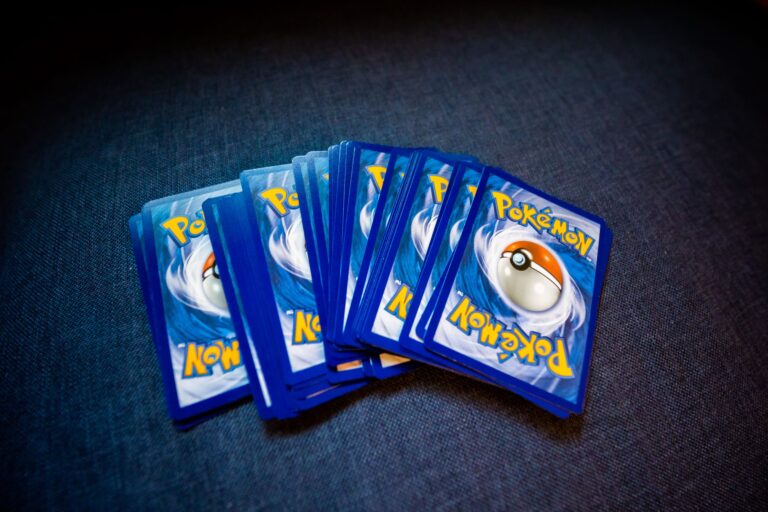
Mega Evolution nostalgia is creating tangible demand pressure on Chaos Rising cards, particularly those featuring Mega Evolved Pokemon that defined the competitive meta from 2013 to 2017. Collectors and players aged 25-40 are actively seeking Chaos Rising pulls that represent their formative years in the TCG, creating a secondary wave of interest beyond the set’s original release window. This demographic has disposable income and specific purchasing targets: they’re hunting Mega Evolution cards that connect to their memories, willing to pay premiums for near-mint versions of specific Mega Evolutions they played or collected during the peak Mega era.
The connection between nostalgia-driven demand and Chaos Rising is strengthened by the set’s deliberate inclusion of Mega Evolution mechanics and the cards’ inherent scarcity as older inventory. When a player who collected during the XY-era (2013-2016) enters the market looking for specific Mega cards, they often compete for limited stock across multiple Chaos Rising products, particularly booster boxes and elite trainer boxes. This isn’t speculative buying—it’s targeted acquisition driven by emotional attachment and competitive history.
Table of Contents
- Why Does Mega Evolution Nostalgia Drive Chaos Rising Collectibility?
- The Scarcity Factor That Amplifies Nostalgia Demand
- How Collector Demographics Reshape Secondary Market Pricing
- Positioning Your Collection Around Nostalgia-Driven Demand
- The Overvaluation Risk and Market Saturation Concerns
- Competitive Play as a Secondary Demand Driver
- Forward Outlook on Mega Evolution’s Collectibility
- Conclusion
- Frequently Asked Questions
Why Does Mega Evolution Nostalgia Drive Chaos Rising Collectibility?
Mega Evolution represented a turning point in Pokemon TCG strategy and design philosophy. For seven years, Mega Evolved Pokemon dominated tournament play and casual collecting, making them synonymous with a specific era that many collectors want to recapture. chaos Rising contains multiple Mega Evolution cards that saw competitive play or have become iconic in retrospect, and players who missed pulling these cards during their run are now buying back into the set specifically to complete that experience.
The psychological driver is straightforward: collectors want the cards that mattered during their peak engagement years. A 32-year-old player who built their first competitive Mega deck in 2015 may have never owned a specific Mega Venusaur or Mega Charizard pull—now they have the financial means to acquire it, and Chaos Rising becomes their target. This isn’t irrational; it’s the same mechanism that drives premium pricing on any collectible tied to personal history. The difference with Chaos Rising is that the set’s age works in its favor: supply is genuinely constrained compared to recent releases, making completed sets or specific chase cards increasingly difficult to obtain.

The Scarcity Factor That Amplifies Nostalgia Demand
Chaos Rising was printed during a period when the TCG was growing but hadn’t reached the boom-tier production levels of recent years. This means sealed product from the era is substantially rarer than, for example, a booster box from 2023 or 2024. When nostalgia-driven demand meets genuine scarcity, prices accelerate rapidly—and unlike hype bubbles driven by speculation, nostalgia-driven markets tend to hold their value better because the demand is durable and identity-based rather than trend-based. However, collectors should understand the limitation here: not every Chaos Rising card benefits equally from nostalgia demand.
Bulk commons and uncommons remain cheap regardless of era, and many rare cards from the set lack the specific nostalgia hook. The premium prices are concentrated on a narrow subset of chase cards, particularly Mega Evolution Exs and other competitive staples. If you’re buying Chaos Rising inventory broadly, expecting nostalgia lift across the board, you’ll be disappointed. The value accrual is highly selective, and overstocking on non-chase cards from the era is a common mistake. Some players assume “old set” automatically means “valuable”—but condition, specific card, and competitive history matter far more than age alone.
How Collector Demographics Reshape Secondary Market Pricing
The 25-40 age bracket now commands significant purchasing power in the Pokemon TCG, and their concentrated interest in mega Era sets is reshaping secondary market dynamics. Websites like TCGPlayer and eBay now track distinct price tiers for Mega Evolution cards across sets from that era, and data shows faster price acceleration in Mega-heavy sets compared to sets with minimal Mega representation. Chaos Rising benefits because it contains a high concentration of Mega cards relative to other sets from its release period. This demographic shift also explains why professional graders (PSA, BGS) see disproportionate volume on Mega Evolution cards from older sets.
Collectors aren’t just buying loose cards to play with; they’re investing in graded specimens to preserve and display. A PSA 8 or 9 Mega Charizard EX from Chaos Rising commands substantially more than a raw copy, because the collector community views these as long-term holds. This creates a bifurcated market: raw cards remain relatively affordable, while graded high-condition copies sell at significant premiums. If you’re selling, the condition premium is real and worth pursuing. If you’re buying, you need to decide whether the graded premium aligns with your collection goals or represents overvaluation for your use case.

Positioning Your Collection Around Nostalgia-Driven Demand
The practical play here is specificity: identify which Mega Evolution cards from Chaos Rising align with your budget and the collector demographics you want to target. High-demand Megas like Mega Charizard, Mega Venusaur, and Mega Blastoise will always attract premium pricing, but secondary Megas in the set—those with smaller competitive footprints but solid art or playability—can offer better value while still benefiting from the broader nostalgia trend. A Mega Alakazam or Mega Heracross might not carry the same cache as Mega Charizard, but they still attract collectors completing their Mega collection or seeking specific nostalgic pull experiences. The tradeoff to understand: buying the absolute top-tier Mega cards means accepting significant current markups that may reflect hype as much as durable demand.
Buying secondary Megas means accepting slower appreciation but lower entry costs and potentially better long-term value if the nostalgia trend continues deepening. There’s also a middle ground—buying raw versions of chase Megas instead of graded copies. This reduces your immediate cost while preserving upside if the cards appreciate further and warrant professional grading later. Many collectors successfully employ this strategy: accumulate raw Mega cards while Chaos Rising is still relatively accessible, then selectively grade and sell higher-condition copies to capture the premium tier once demand peaks.
The Overvaluation Risk and Market Saturation Concerns
As nostalgia demand increases, so does the risk that prices exceed rational collector value. Mega Evolution nostalgia is real and durable, but it can also attract speculative money—people buying Chaos Rising Megas not because they want them, but because they assume the nostalgia trend guarantees appreciation. This speculation can inflate prices faster than actual collector demand supports, creating a correction risk once the speculative money exits. Watch for signs of overheating: rapid price spikes on cards with no new competitive relevance, seller inventory flooding after price peaks, or marketing language explicitly pitching “nostalgia” as an investment thesis.
These are warning signs that sentiment is ahead of fundamentals. The safest approach is buying cards you actually want to own or collect, using nostalgia demand as a bonus driver of value rather than the entire thesis. If you’re purely speculating on nostalgia driving further appreciation, you’re taking on execution risk that your entry timing and exit strategy need to be perfect. For most collectors, the smarter move is treating nostalgia demand as a tailwind for cards you were already interested in, not as a reason to chase cards outside your actual collection goals.

Competitive Play as a Secondary Demand Driver
Mega Evolution remains legal in certain Pokemon TCG formats, particularly casual and kitchen-table play, which creates ongoing demand beyond pure collecting nostalgia. Chaos Rising Mega cards see occasional play in rogue and casual decks, especially among players who prefer the Mega mechanics to more recent Pokemon-EX or Pokemon VSTAR designs. This means some of the demand for Chaos Rising Megas comes from active players restocking inventory, not just collectors chasing nostalgia.
This matters because it diversifies the buyer base. If demand were purely nostalgia-driven, prices would be vulnerable to shifts in collector sentiment. But with a concurrent competitive demand layer, even if nostalgia demand cools, the Mega cards retain a floor created by active play communities. A Mega Charizard EX from Chaos Rising is useful to someone actually building a Mega deck, not just someone reminiscing about 2015.
Forward Outlook on Mega Evolution’s Collectibility
The Pokemon TCG has shown limited interest in reviving Mega Evolution as a primary mechanic in recent years, preferring Dynamax/Gigantamax, Pokemon-EX, and Pokemon VSTAR instead. This means the Mega era is definitively closed, which paradoxically strengthens long-term nostalgia demand—players know there won’t be a flood of new Mega cards reshaping the competitive landscape. Chaos Rising and other Mega-era sets gain finality as historical artifacts, making them increasingly valuable to the subset of collectors who want to own or preserve that specific period.
As the TCG evolves further away from Mega mechanics, Chaos Rising may become increasingly viewed as a “completed” era set—something serious collectors acquire to round out their Mega collections, but not something new players enter through. This could create a compression of demand around the most iconic cards while secondary Megas struggle to appreciate proportionally. The next 2-3 years will reveal whether nostalgia demand sustains broadly or concentrates on just the top-tier chase cards.
Conclusion
Mega Evolution nostalgia is a genuine and durable driver of Chaos Rising demand, particularly for chase cards featuring the Mega Pokemon that defined the 2013-2017 competitive era. The combination of legitimate collector interest, supply scarcity, and the finality of the Mega design philosophy creates real economic pressure on prices. However, this demand is selective—not all Chaos Rising cards benefit equally, and the risk of overvaluation on speculative buying is real.
Your best approach depends on your collection goals: if you’re a serious Mega collector or competitive player, the nostalgia trend validates buying Chaos Rising Megas you’ve always wanted. If you’re speculating purely on price appreciation, you’re taking on significant execution risk and should size positions accordingly. The underlying demand is solid, but it’s not a guaranteed appreciation play. Buy what you want to own, use nostalgia sentiment as a tailwind, and avoid chasing cards purely on trend momentum.
Frequently Asked Questions
Is Chaos Rising still a good entry point for Mega collectors in 2026?
Yes, but primarily for high-demand Megas like Charizard, Venusaur, and Blastoise. Secondary Megas offer better value, but slower appreciation. Supply is tightening, so earlier is better than later if you’re building a Mega collection.
Will Mega Evolution prices keep climbing as nostalgia demand grows?
Likely, but with concentration in top-tier cards. Secondary Megas and bulk Chaos Rising inventory may not appreciate proportionally. The trend is durable, but not infinite—buy cards you want to keep, not purely on appreciation momentum.
Should I grade my Chaos Rising Megas or keep them raw?
If your Megas are near-mint (9+), grading makes sense and captures meaningful premium. If they’re lower grade, raw copies may be smarter until you’re sure you want to sell at that condition tier.
Is Chaos Rising a better investment than recent Mega-themed sets?
Chaos Rising benefits from scarcity and finality (Mega era is closed). Recent sets have larger supply and unclear long-term demand. Chaos Rising is the more tangible nostalgia play, but also more expensive to enter.
What Chaos Rising cards should I avoid if buying for nostalgia demand?
Bulk commons, uncommons, and non-Mega rares. Focus on chase cards, Mega EXs, and competitive staples. Nostalgia demand is highly selective; don’t overspend on peripheral cards hoping for appreciation.
Can casual competitive play sustain Chaos Rising demand if nostalgia cools?
Partially. Mega-format casual play exists and creates a floor, but it’s a smaller market than nostalgia collectors. Don’t rely on competitive demand alone to support prices, but it does provide downside protection.