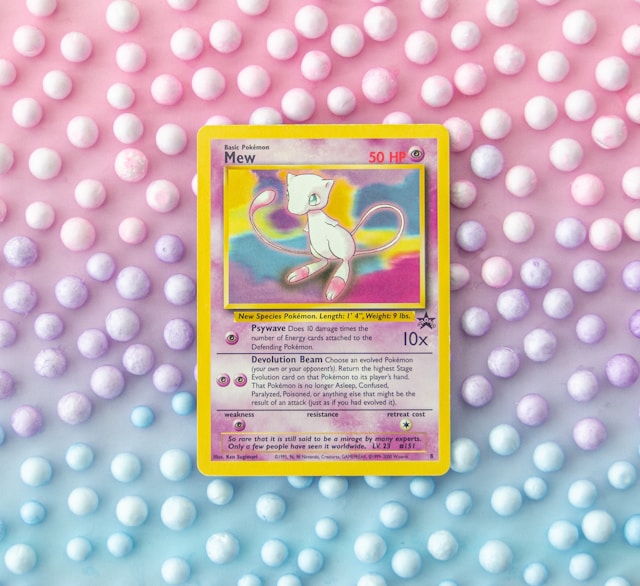
The world of Pokémon cards is a vast and fascinating one, filled with rare and valuable collectibles that have captured the hearts of fans worldwide. Among these, the Shadowless cards stand out for their unique characteristics and historical significance. In this article, we will delve into the realm of Shadowless non-holo cards, exploring their origins, rarity, and the factors that contribute to their value.
First, let’s understand what Shadowless cards are. The term “Shadowless” refers to the absence of a gray drop shadow along the right edge of the Pokémon’s image on the card. This design feature was part of the initial print run of the Pokémon Base Set, which was released in 1999 in the United States. The Shadowless version is considered rarer and more valuable than later versions because it was part of the initial print run before the design change was made[2][3].
The Pokémon Base Set, including both Shadowless and later versions, was a groundbreaking release that marked the beginning of the official Pokémon Trading Card Game (TCG) in the United States. The set included 102 cards, featuring various Pokémon, trainers, and energy cards. Among these, non-holo cards are those that do not have a holographic finish, which was reserved for rare cards like Charizard and Blastoise.
When it comes to the print run of Shadowless non-holo cards, specific numbers are not readily available. The print run for the entire Base Set was substantial, but the exact distribution between Shadowless and later versions is not well-documented. However, it is known that the Shadowless cards are less common than the Unlimited edition cards that followed, which were printed in larger quantities and featured the gray drop shadow[3].
The value of Shadowless non-holo cards, like Magikarp, is influenced by several factors. First, their rarity plays a significant role. Since they were part of the initial print run, they are less common than later versions. Additionally, the condition of the card is crucial. Cards that are in near-mint condition, with minimal wear and tear, are highly prized by collectors. Grading companies like Professional Sports Authenticator (PSA) provide a scale from 1 to 10 to evaluate the condition of cards, with PSA 10 being the highest grade[1][3].
Another factor contributing to the value of these cards is their historical significance. As part of the first official Pokémon TCG set, they hold a special place in the hearts of collectors and fans. The nostalgia associated with these cards, especially for those who grew up playing the game, adds to their appeal.
In terms of specific numbers, the Graded Population Report for Magikarp [Shadowless] #35 provides some insight into how many of these cards have been graded by PSA. For example, there are 233 PSA 10 graded Magikarp [Shadowless] cards, indicating that a significant number of these cards are in excellent condition[1]. However, this does not give us the total number of Shadowless non-holo cards printed.
The market for Pokémon cards has evolved significantly over the years, with rare cards fetching high prices at auctions. While Shadowless non-holo cards may not reach the same heights as rare holographic cards like the First Edition Shadowless Charizard, which sold for $420,000 in 2022, they still hold considerable value for collectors[2][4].
In conclusion to this aspect, while we cannot provide an exact number of Shadowless non-holo cards printed, their rarity and historical significance make them valuable collectibles. The absence of detailed print run data means that collectors must rely on market trends and the condition of the cards to determine their worth.
When discussing any medical aspects related to collecting or the psychological impact of collecting rare items, it’s essential to consult authoritative sources. For instance, the psychological benefits of collecting, such as stress relief and social interaction, are well-documented in psychological literature. However, there is no specific medical information related to the collection of Shadowless Pokémon cards.
The world of Pokémon card collecting is a vibrant and dynamic community, with new discoveries and sales continually reshaping the market. As collectors continue to seek out rare and unique cards, the value of Shadowless non-holo cards will likely remain stable, driven by their scarcity and the nostalgia they evoke. Whether you’re a seasoned collector or just starting your journey, understanding the history and characteristics of these cards can enhance your appreciation for the Pokémon Trading Card Game and its enduring appeal.