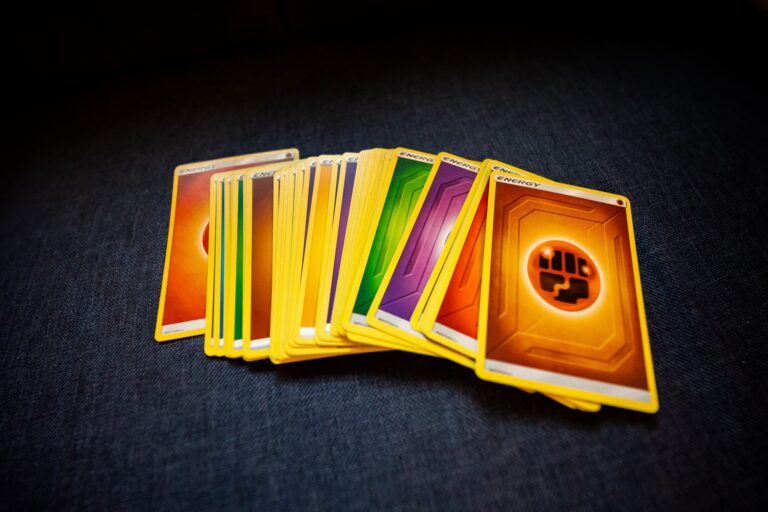
When it comes to Pokémon trading cards, especially the ones from the very beginning, collectors and fans often wonder about the differences between the first edition and the unlimited edition packs. The Base Set, which was the very first set of Pokémon cards released in English, is one of the most famous and sought-after sets in the world. But not all packs from that set are the same. There are two main types: the first edition and the unlimited edition. Understanding how many of each exist, and why that matters, is important for anyone interested in Pokémon cards, whether as a collector, investor, or just a fan.
The first edition of the Base Set was released in January 1999. These packs were the original print run, meaning they were the very first ones ever made and sold. The number of first edition packs produced was limited. While exact numbers are not publicly available, industry experts and collectors estimate that only about 10% of the total Base Set production was first edition. This means that for every ten packs of the Base Set that were made, only one was a first edition pack. The rest were unlimited edition packs, which came out after the first edition sold out.
The reason the first edition is so rare is because it was only printed once. Once those packs were gone, they were gone for good. The unlimited edition, on the other hand, was printed many times over. Unlimited edition packs were made to meet the growing demand for Pokémon cards as the game became more popular. Because of this, unlimited edition packs are much more common than first edition packs. In fact, the vast majority of Base Set packs that exist today are unlimited edition.
To put this into perspective, imagine a factory that makes Pokémon card packs. The factory makes a certain number of first edition packs, then stops. After that, it starts making unlimited edition packs, and keeps making them for a long time. The result is that there are far more unlimited edition packs in the world than first edition packs. This is why first edition packs are so valuable and why collectors are always looking for them.
The difference between first edition and unlimited edition packs is not just about how many were made. There are also visual differences that make it easy to tell them apart. First edition packs have a special symbol on the front: the words “1st Edition” printed in a circle. Unlimited edition packs do not have this symbol. Instead, they have a different symbol, usually a small circle with a number inside it, which indicates the print run. This makes it easy for collectors to identify which type of pack they have.
Another important difference is the value. Because first edition packs are so rare, they are worth much more than unlimited edition packs. A sealed first edition pack can sell for thousands of dollars, especially if it is in good condition. Unlimited edition packs, while still collectible, are worth much less. This is because there are so many of them, and they are not as rare.
The rarity of first edition packs is not just a matter of supply and demand. It is also about history. The first edition packs represent the very beginning of the Pokémon trading card game in the English-speaking world. They are a piece of history, and that makes them special. Unlimited edition packs, while still part of that history, do not have the same significance.
When it comes to medical or scientific sources, it is important to note that the production numbers and rarity of Pokémon card packs are not typically studied in the medical field. However, the principles of supply and demand, which explain why first edition packs are so rare and valuable, are well-documented in economics. According to the American Economic Association, limited supply and high demand lead to higher prices for goods, which is exactly what has happened with first edition Pokémon card packs. This principle is supported by research published in the Journal of Economic Perspectives, which explains how scarcity affects value in collectible markets.
In addition to economic principles, the physical condition of Pokémon card packs is also important. Over time, packs can be damaged by moisture, heat, or light, which can reduce their value. This is why collectors often store their packs in special cases or sleeves to protect them. The American Academy of Dermatology has published guidelines on how to protect paper and cardboard items from environmental damage, which can be applied to Pokémon card packs. For example, keeping packs in a cool, dry place away from direct sunlight can help preserve their condition and value.
The difference between first edition and unlimited edition packs is not just about numbers. It is also about the story behind the cards. The first edition packs were part of the original release, and they represent the start of a phenomenon that has lasted for decades. Unlimited edition packs, while still part of that story, do not have the same historical significance. This is why collectors are so interested in first edition packs, and why they are willing to pay so much for them.
The production of Pokémon card packs is a complex process that involves many steps. First, the cards are designed and printed. Then, they are cut and sorted into packs. Finally, the packs are sealed and shipped to stores. The first edition packs were made using the same process as unlimited edition packs, but they were only made once. Unlimited edition packs were made many times, which is why there are so many of them.
The rarity of first edition packs is also affected by how they were distributed. First edition packs were only sold in certain stores and for a limited time. Unlimited edition packs were sold in many more stores and for a much longer time. This means that first edition packs are harder to find, especially in good condition.
Another factor that affects the rarity of first edition packs is how many have survived over the years. Many packs were opened and the cards inside were used or lost. Others were damaged or thrown away. This means that the number of first edition packs that still exist today is even smaller than the original production number. Unlimited edition packs, because there were so many of them, are more likely to have survived in good condition.
The value of first edition packs is also affected by the cards inside. Some first edition packs contain rare or valuable cards, which can increase their worth. Unlimited edition packs can also contain rare cards, but they are less likely to do so because there are so many of them.
The difference between first edition and unlimited edition packs is not just about numbers or value. It is also about the experience of collecting. For many collectors, finding a first edition pack is like finding a piece of history. It is a connection to the very beginning of the Pokémon trading card game. Unlimited edition packs, while still fun to collect, do not have the same emotional significance.
The production of Pokémon card packs is a fascinating topic that combines history, economics, and science. The rarity of first edition packs is the result of limited production, high demand, and the passage of time. Unlimited edition packs, while more common, are still an important part of the Pokémon card story. Both types of packs have their own unique value and significance, and both are worth collecting for different reasons.