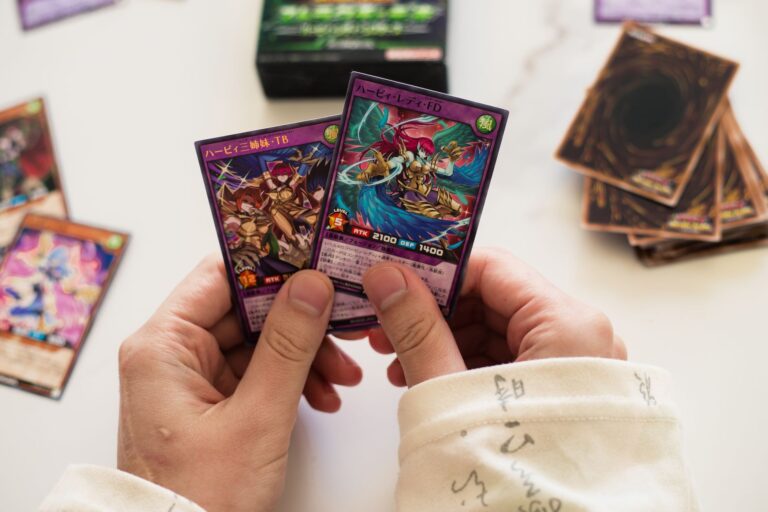
Pokémon anniversaries have become reliable catalysts for card price spikes, with collector speculation and limited-release products creating measurable surges across the market. The pattern is straightforward: when the Pokémon Company announces anniversary sets and special products, prices climb—sometimes dramatically. The most recent example is the 25th Anniversary Celebrations set, which has seen a staggering 65% overall price increase in the past three months alone, driven largely by speculation about the 30th anniversary milestone coming in 2026.
This isn’t random volatility. Each major anniversary generates predictable collector demand, triggers speculation about future milestones, and creates scarcity through limited print runs and exclusive variants. The Ultra Premium Collection from the Celebrations line, for instance, launched at $119.99 but now commands prices above $920—a more than 600% markup. Understanding these patterns is essential for anyone buying, selling, or holding Pokémon cards, because the anniversary effect creates both opportunities and significant risks.
Table of Contents
- Why Do Pokémon Anniversaries Drive Massive Price Increases?
- The Mechanics Behind Anniversary-Driven Price Volatility
- The Celebrations Set Phenomenon and 25th Anniversary Impact
- The 151 Set and How Current Anniversary Momentum Builds Future Spikes
- The Speculation Trap and When Anniversary Prices Collapse
- How Collectors Are Responding to Anniversary Cycles
- What’s Next for Anniversary-Driven Price Growth
- Conclusion
Why Do Pokémon Anniversaries Drive Massive Price Increases?
Anniversary sets trigger price spikes because they combine scarcity with emotional significance. The pokémon Company releases anniversary products in limited quantities and often makes them exclusive to certain retailers or time windows. Collectors want these products both to celebrate the milestone and because they understand the historic value these commemorative releases will hold. The result is concentrated demand meeting constrained supply, which pushes prices upward across the board.
The most dramatic recent example is the 151 Booster Bundle, released for the 30th anniversary. The original MSRP in 2023 was $26.94, but the current market value sits at $174—a jaw-dropping 548% increase. This isn’t gradual appreciation. The spike happened as speculation built around the anniversary and as collectors rushed to secure products before they sold out or prices rose further. The Charizard ex card from the 151 set currently trades in the $210–$230 range, with near-mint (PSA 10) graded copies reaching $280 and beyond.

The Mechanics Behind Anniversary-Driven Price Volatility
Anniversaries create what traders call “milestone speculation.” Collectors buying 25th anniversary products now are often betting that these items will be scarce and valuable by the time the franchise reaches its 30th anniversary in 2026. This forward-looking mindset amplifies demand beyond what the actual product availability would justify on its own. The result is predictable but risky: prices rise sharply while the hype is fresh, but they can fall just as quickly if speculation fails to materialize or if the next release disappoints. One limitation of anniversary spikes is their unpredictability in duration and magnitude. The Dark Sylveon tin from Celebrations climbed 65% in three months, while the Lance’s Charizard tin rose 39% in the same period.
Both are significant, but the difference shows that anniversary hype doesn’t affect all products equally. Elite Trainer Box variants ranged from 10% increases to 40% depending on exclusivity—Pokémon Center exclusive versions performed dramatically better than standard retail versions. This uneven distribution means that timing and product selection matter enormously. Buy at the peak of hype, and you risk holding inventory as prices cool. Sell too early, and you miss the full appreciation window.
The Celebrations Set Phenomenon and 25th Anniversary Impact
The 25th Anniversary Celebrations set is the clearest recent example of anniversary-driven appreciation. Released in October 2021, the set features cards honoring the franchise’s first 25 years and includes special gold-foil versions of classic Pokémon. As the 30th anniversary approaches, nostalgia and speculation have combined to drive these products from their original retail prices into the hundreds and thousands of dollars range. The Ultra Premium Collection from Celebrations exemplifies this surge.
This high-end product launched at $119.99 MSRP, making it a premium purchase even at release. By late November 2025, secondary market prices had climbed to around $841. Just a few months later, these same collections are selling for $920 or more. The appreciation isn’t driven by scarcity alone—Celebrations products were printed in reasonable quantities. Instead, it’s driven by the belief that these products represent a pivotal moment in Pokémon history that won’t be replicated, and that their value will only grow as the franchise moves toward the 30th anniversary and beyond.

The 151 Set and How Current Anniversary Momentum Builds Future Spikes
The 151 Booster Bundle represents an even more extreme case of anniversary-driven appreciation. Launched during the 30th anniversary celebration, the bundle’s trajectory shows how quickly these products can appreciate once speculation kicks into high gear. At $26.94 MSRP, the bundle was an accessible entry point for many collectors. Today, the same bundle trades at $174, representing nearly 11 times the original price in just a few years.
The standout card from this set is Charizard ex, which has become the focal point of 30th anniversary speculation. Originally available in sealed booster packs for less than the bundle’s MSRP, individual Charizard ex cards now command $210–$230 for raw (ungraded) copies. Graded copies in near-mint condition push well above $280. This pricing dynamic reveals an important distinction: some anniversary cards appreciate slowly as collector interest builds, while chase cards like Charizard spike immediately once demand concentrates around them. Understanding which products will become the focal points of speculation—typically iconic Pokémon like Charizard, Pikachu, or Mewtwo—is key to navigating anniversary-driven markets.
The Speculation Trap and When Anniversary Prices Collapse
The primary risk in anniversary-driven price spikes is that they are largely speculative. Collectors are betting on future value, not buying based on current utility or intrinsic scarcity. This makes anniversary products vulnerable to sudden price crashes if speculation fails to materialize, if the next anniversary product underperforms, or if the Pokémon Company releases similar products more aggressively than expected. A cautionary example: some products from earlier anniversaries saw explosive initial appreciation followed by price declines once the short-term speculation phase ended. Another limitation is that not all collectors can time the market effectively.
Buying Celebrations products at their peak—as many did during the hype phase—means sitting on products that may take years to appreciate further, if they appreciate at all. The opportunity cost is real: capital tied up in Celebrations products could have been invested in other cards or assets. Additionally, the secondary market for high-end products like the Ultra Premium Collection is relatively thin. Selling a $920 collection requires finding a buyer willing to pay that price, which can be difficult if market sentiment shifts. Patience and realistic expectations are essential when dealing with anniversary-driven price spikes.

How Collectors Are Responding to Anniversary Cycles
Smart collectors are now treating anniversaries as predictable market events. Rather than buying at peak hype, some are positioning themselves months in advance, recognizing that anniversary announcements trigger the price acceleration. Others are focusing on specific products—like exclusive retail variants—that historically outperform broader market averages. The Pokémon Center exclusive Elite Trainer Boxes from Celebrations, for example, appreciated 40% compared to 10% for standard retail versions, rewarding collectors who understood product differentiation.
The secondary market has also evolved in response to anniversaries. Major retailers and resellers now aggressively stock anniversary products, knowing that demand will be high. This increased supply visibility actually drives prices upward faster, as FOMO (fear of missing out) accelerates among collectors racing to secure inventory before it’s gone. The result is a self-reinforcing cycle: announcement triggers buying, buying drives prices up, high prices trigger more urgency, and more urgency keeps prices climbing. Understanding this psychology helps collectors make better decisions about when to buy and sell.
What’s Next for Anniversary-Driven Price Growth
The pattern established by the 25th and 30th anniversaries will almost certainly repeat. Future anniversaries—the 35th in 2031, the 40th in 2036—will generate similar product releases, speculation, and price spikes. Collectors who recognize this cycle early can position themselves to benefit, either by buying quality anniversary products at or near MSRP and holding for appreciation, or by identifying which specific products within an anniversary set are likely to become the focal points of speculation.
Looking forward, the Pokémon Company’s strategy around anniversary products will shape how severe these spikes become. If future anniversaries are treated as premium events with tightly controlled print runs, the price appreciation could rival or exceed what we’ve seen with the 25th and 30th anniversaries. Conversely, if the company floods the market with anniversary products to capture higher total revenue, the speculative premium will compress, and prices will remain closer to MSRP. Savvy collectors will monitor the Pokémon Company’s announcement strategy and early sales data to gauge how a particular anniversary cycle is likely to develop.
Conclusion
Pokémon anniversaries spike card prices through a combination of scarcity, emotional significance, and forward-looking speculation. The 25th Anniversary Celebrations set and the 30th Anniversary 151 set demonstrate this pattern clearly: limited-release products appreciate from single-digit multiples to hundreds of dollars as collector demand concentrates and speculation about future value drives prices upward. The Ultra Premium Collection’s climb from $120 to over $900, and the 151 Booster Bundle’s rise from $27 to $174, show that these aren’t minor market movements—they’re dramatic repricing events. For collectors, the key is recognizing that while anniversary spikes create genuine appreciation opportunities, they also carry significant risk. Buying at peak hype is expensive and leaves little room for further appreciation.
Selling too early means missing out on additional gains. Success requires either timing the market—a difficult task—or investing based on long-term confidence in the anniversary product’s historical significance rather than short-term speculation. The next anniversary cycle will follow the same playbook. Watch for announcements, study which products are performing strongest, and decide whether you’re buying for immediate resale or long-term holding. Understanding the pattern is the first step to navigating it profitably.