
Cracking a HGA slab to remove a Shining Alakazam without damaging the card is possible but requires patience, the right tools, and a methodical approach. The most reliable method involves carefully separating the slab’s layers using thin, flat tools to gently pry the holder apart rather than applying force that could crack the case or scratch the card. The key is working slowly around the entire perimeter of the slab, gradually loosening the seal, rather than trying to force open a single edge. For example, collectors have successfully removed graded cards worth $500-$2,000 using a combination of plastic pry tools and thin feeler gauges, though one rushed attempt with a screwdriver can instantly reduce that card’s value by hundreds of dollars.
HGA slabs are constructed by heat-sealing a plastic case around a cardboard holder that cradles the card. Unlike PSA slabs, which use ultrasonic sealing and are notoriously difficult to open without damage, HGA slabs use a adhesive seal that can be gradually weakened. The challenge is that the card inside sits loosely in the holder, and aggressive cracking can cause the card to shift violently and get creased, dinged on the corners, or scuffed on the face. Even experienced graders acknowledge that the risk is real, and not every card emerges from a slab in the same condition it entered.
Table of Contents
- Understanding HGA Slabs and Why Collectors Want to Crack Them
- Methods for Opening the Slab Without Damage
- Essential Tools and Materials for Safe Removal
- Step-by-Step Cracking Technique
- Common Issues and Risk Factors During Cracking
- Card Inspection and Post-Removal Care
- When to Crack Versus Keep Slabbed and Future Considerations
- Conclusion
- Frequently Asked Questions
Understanding HGA Slabs and Why Collectors Want to Crack Them
HGA has become increasingly popular in the Pokemon community, particularly for vintage and modern chase cards like the Shining Alakazam from Neo Destiny. Many collectors crack slabs because they want to keep the card raw and ungraded, to resubmit it to a different grading company, or because the grade no longer reflects current market values. A Shining Alakazam graded at 7 by HGA might sell for $400-$600 slabbed, but if the card shows minimal wear and could command a 9 when resubmitted to PSA or BGS, the raw card becomes much more valuable to someone willing to take that risk.
The slab itself is relatively thin plastic with heat-fused or adhesive-sealed edges. HGA uses different sealing methods depending on the era of the slab, and older HGA holders sometimes feature weaker seals that are easier to work with than newer versions. The Shining Alakazam is valuable enough that many holders date back several years, which can actually work in your favor—the adhesive may have naturally weakened over time. Understanding your specific slab’s construction (check the back for date stamps or maker marks) can help you determine whether you’re dealing with a relatively cooperative seal or a stubborn one.

Methods for Opening the Slab Without Damage
The safest approach is the “heat and pry” method, which involves gently warming the adhesive around the slab’s edges to soften it, then carefully inserting thin tools to separate the layers. some collectors use a heat gun set to low-medium temperature, applying warmth in short bursts to avoid melting the plastic or overheating the card. Others use the “thin edge” method, where they start at a corner and slide thin feeler gauges or plastic pry tools along the seam, working methodically around all four sides before attempting to separate the halves.
A critical limitation is that even with perfect execution, there’s always a small risk. The card inside is only loosely suspended in the holder, and any sudden movement during cracking can cause it to shift and make contact with the interior plastic surfaces. Some collectors have reported that cards emerged with new surface imperfections despite their careful technique. Additionally, once you’ve cracked a slab, you cannot reseal it professionally—the card becomes a raw card permanently, with no option to return it to a graded state without resubmission to a grading company.
Essential Tools and Materials for Safe Removal
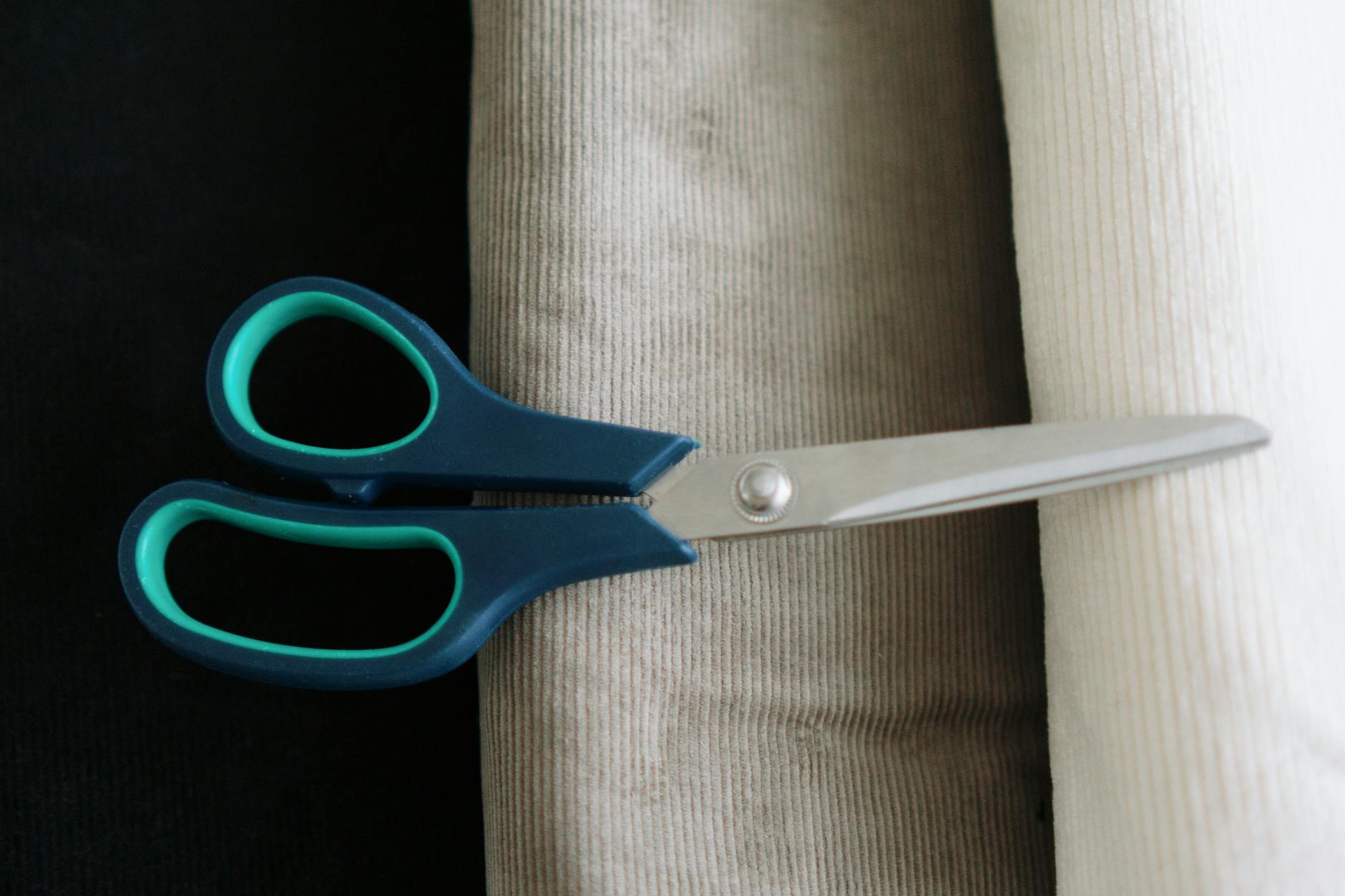
The right tools make the difference between success and disaster. A heat gun (or even a hair dryer on high heat) can soften the adhesive without overheating the card—keep it moving and never point it directly at one spot for more than a few seconds. Thin plastic pry tools, feeler gauges, old credit cards, or even a plastic shim made from a yogurt container lid can work better than metal tools, which can scratch the plastic holder and, if they slip, the card inside. Many experienced collectors also use painter’s tape or masking tape around the edges to protect the exterior of the slab from tool marks.
Having a clean, organized workspace is essential. Lay out all your tools before you start, have a small cloth nearby to wipe away any debris, and consider working over a towel in case you drop something. Some collectors photograph the slab from multiple angles before opening, so they have a reference for the card’s exact position and appearance in case something goes wrong. A magnifying glass or loupe can help you inspect the slab’s seam for weak points before you begin.
Step-by-Step Cracking Technique
Begin by examining the slab’s seams carefully with a magnifying glass. Identify which edges appear less sealed or have small gaps. Start with the easiest-looking edge—usually a corner. Apply gentle heat with a heat gun at low-medium setting, holding it about 6-8 inches away and moving it back and forth for 10-15 seconds. Don’t rush this step; letting the adhesive soften gradually makes insertion easier and safer. Once the area feels warm to the touch (test with your finger at a neutral spot far from the card), carefully insert a thin plastic tool into the seam.
Apply gentle downward pressure while working the tool slowly along the edge. You’re not trying to pry the slab open yet—you’re just working the tool deeper into the seam to break the adhesive’s bond. Move around the entire perimeter, repeating the heat-and-insert process on each edge, before attempting to separate the two halves. Only when you’ve loosened all four sides should you attempt to gently pry the halves apart. This methodical approach minimizes shock to the card and gives the adhesive time to release gradually. For example, a Shining Alakazam that took 30-45 minutes to open safely has emerged without new damage, while another card opened in 10 minutes with aggressive prying developed a crease.
Common Issues and Risk Factors During Cracking
The most frequent problem is uneven pressure during separation, which can cause the card to shift suddenly inside the holder. If one side of the slab comes apart faster than another, the card may slide or tilt, making contact with the interior plastic. Another common issue is overheating—if you apply too much heat, the plastic can warp slightly, which can pinch the card or create ridges the card touches during removal. A heat gun set too high or held too close for too long can permanently deform the slab’s shape, making it difficult to separate the halves without force. Moisture is also a hidden risk.
If the slab’s interior has any condensation or humidity, it can cause the card’s surface to stick slightly to the plastic holder, increasing resistance during removal. Some collectors have reported that cards stuck this way tore or scuffed when forcefully extracted. Always examine the slab’s interior for signs of moisture before attempting to crack it. If you spot any fogging or discoloration inside, consider storing the slab in a dry environment for a few days before attempting removal. Another limitation is that even successful cracking leaves the card ungraded and vulnerable—a raw Shining Alakazam is worth less than a graded one to most buyers, even if its condition is excellent.
Card Inspection and Post-Removal Care
After successfully removing the card, immediately place it on a clean, non-abrasive surface and inspect it thoroughly with good lighting. Look for any new creases, edge wear, surface scratches, or corner dings that weren’t visible before. Use a loupe to check the surface under magnification, particularly in the corners and along the edges where contact is most likely. Many collectors compare detailed photos of the card inside the slab (taken before cracking) with photos of the raw card to detect subtle new damage.
Clean the card gently if needed, using only your hands to remove any dust or adhesive residue. Never use cloths, brushes, or liquids on the card itself. Store it in a new, clean card sleeve and top-loader if you plan to keep it raw, or prepare it for resubmission to a grading company within a few weeks while it’s fresh from the slab. Some collectors have found that waiting longer than a month to regrade can work against them, as humidity and handling naturally introduce new surface wear. If you do plan to regrade, handle the card minimally and store it in ideal conditions—a cool, dry place with low humidity and away from direct light.
When to Crack Versus Keep Slabbed and Future Considerations
Not every graded card is a good candidate for cracking. If a card is graded at 8 or higher, the slab’s protection and the grade’s marketability might outweigh the benefits of removing it. However, if a card is graded at 6 or 7 and you believe it could achieve a higher grade with a different company or in a year or two, cracking becomes more strategically sound. The Shining Alakazam market has seen significant grade inflation over the past few years, meaning cards that received conservative grades in 2019-2020 might earn higher grades today.
Looking forward, the Pokemon card grading landscape continues to evolve. PSA’s recent introduction of subgrades and BGS’s focus on surface quality mean that resubmitting an HGA card to one of these companies might yield better results for high-value cards. However, each cracking attempt carries risk, so collectors should only attempt this on cards where the potential upside justifies that risk. The market will likely continue to reward graded cards over raw cards, so cracking should be a calculated decision, not a default option.
Conclusion
Cracking a HGA Shining Alakazam slab without damaging the card is achievable with the right technique: gentle warmth, thin pry tools, patience, and methodical work around the entire perimeter before attempting separation. The most important factor is resisting the urge to force the slab open quickly. Successful collectors treat the process as a 30-45 minute task, not a 10-minute chore. The key steps are warming the adhesive gradually, working all four edges before separating, and monitoring for any signs that the card is moving or making contact with the holder’s interior.
Before you crack a slab, honestly assess whether the card justifies the risk. A Shining Alakazam graded low by HGA might be a good candidate if you believe a higher grade is achievable, but a card already graded 8 or above is probably better off staying protected. Inspect your card thoroughly after removal, store it properly, and if you plan to regrade, act within a few weeks while the card is in its freshest post-removal condition. The hobby’s grading standards and market values shift frequently, so having flexibility—whether that means keeping cards slabbed or having the option to remove them—is part of smart collecting.
Frequently Asked Questions
Can I reseal a HGA slab after cracking it?
No. Once you’ve separated the slab, you cannot professionally reseal it. The card becomes permanently raw unless you submit it to a grading company for a new slab. DIY resealing is not recommended and will result in an obviously tampered slab.
How long does it take to safely crack a HGA slab?
Plan for 30-45 minutes of careful work. Rushing the process increases the risk of damage significantly. A Shining Alakazam worth hundreds of dollars is worth spending three-quarters of an hour on.
What if the card gets damaged during removal?
If new damage occurs, you have a raw card that’s worth less than the original graded card would have been. Document the damage with photos and consider whether resubmission to another grader might still be worthwhile, though the new damage will likely lower the grade further.
Is a heat gun or hair dryer better for softening the slab?
A heat gun offers better control and higher temperatures, but a hair dryer on high heat can work if you have patience. Either way, move the heat source constantly to avoid overheating one spot, and test the temperature with your finger before inserting tools.
Should I crack a HGA-graded card to resubmit it to PSA?
Only if you believe the card can achieve a significantly higher grade with PSA that justifies the cracking risk and resubmission cost. Compare current market values for the card at both grades before deciding.
Can I keep the slab as a collectible after removing the card?
Yes, some collectors keep the empty slab as a memento, but an empty slab has minimal value. Most collectors discard or repurpose the holder.
You Might Also Like
- How Do You Crack a TAG First Edition Venusaur Slab Without Damaging the Card?
- Should You Regrade a HGA 4 VSTAR Jolteon Card?
- Should You Crack a BGS 8.5 Reverse Holo Arcanine Card for a HGA 10 Attempt?