Storing and protecting Pokémon cards properly is important for anyone who collects them, whether you’re just starting out or have been collecting for years. The way you store your cards can make a big difference in how long they last and how valuable they stay. If you want your cards to look great and stay in good shape for a long time, there are several things you should know and do. This article will go into detail about the best ways to store and protect your Pokémon cards, including what containers to use, how to keep them safe from damage, and what conditions are best for long-term storage.
First, let’s talk about why proper storage matters. Pokémon cards are made of paper and cardboard, which means they can be damaged easily. Things like moisture, heat, sunlight, dust, and even the way you handle them can cause problems. If cards get wet, they can warp or develop mold. If they’re exposed to too much sunlight, the colors can fade. If they’re stored in a place that gets too hot or too cold, the paper can become brittle or start to break down. Even just touching the cards with dirty hands can leave oils and dirt on them, which can stain or damage the surface over time. So, taking care of how you store your cards is a big part of keeping them in good shape.
One of the most important things you can do is to keep your cards in a cool, dry place. The ideal temperature for storing paper items like trading cards is between 65 and 70 degrees Fahrenheit, with a humidity level around 40 to 50 percent. This is the same range that museums and archives use to preserve important documents and artwork. If the air is too dry, the paper can become brittle and crack. If it’s too humid, the cards can absorb moisture and start to warp or grow mold. The American Institute for Conservation of Historic and Artistic Works recommends keeping paper items in stable conditions with moderate temperature and humidity to prevent damage. You can use a hygrometer to check the humidity in the room where you store your cards, and a dehumidifier or humidifier if needed to keep the levels in the right range.
Another key point is to keep your cards away from direct sunlight and heat sources. Sunlight contains ultraviolet (UV) rays, which can cause colors to fade and paper to break down over time. Heat can also make the paper dry out and become brittle. So, it’s best to store your cards in a place that doesn’t get direct sunlight, like a closet or a drawer. If you want to display your cards, use UV-protective glass or acrylic to shield them from the light. The National Park Service’s Museum Handbook says that exposure to light, especially UV light, is one of the main causes of damage to paper and photographs, so protecting your cards from light is very important.
When it comes to containers, there are several options. One popular choice is to use card sleeves. Card sleeves are thin plastic covers that fit over individual cards. They protect the cards from scratches, dust, and fingerprints. There are different types of sleeves, but for Pokémon cards, it’s best to use sleeves that are made specifically for trading cards. These sleeves are usually made of polypropylene or polyethylene, which are safe for paper and won’t damage the cards. Some collectors use double sleeves, which means putting the card in one sleeve and then putting that sleeve into another. This gives extra protection and makes it harder for the card to get damaged. Cardshellz, a company that makes card sleeves, says their Z-Max sleeves are designed to be thick and precision-fit, which helps guard against scratches and wear while still being easy to slide into an outer deck sleeve.
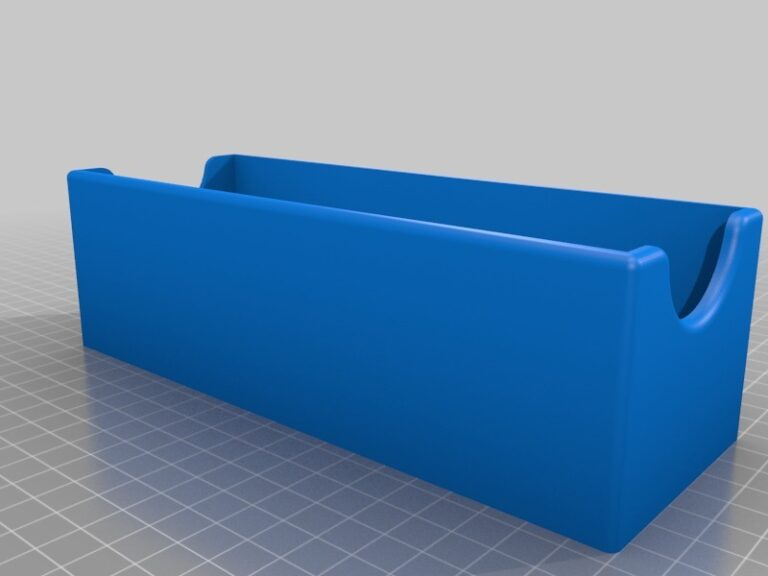
For larger collections, you might want to use a card case or binder. Card cases are boxes that can hold many cards, often in rows or slots. They are usually made of hard plastic or metal, which makes them more durable than regular cardboard boxes. Some card cases, like the Vaulted Card Case, are designed to be very secure and can even be locked. These cases are good for collectors who want to keep their cards safe from dust, moisture, and accidental damage. The Vaulted Card Case, for example, is made to hold hundreds of cards and can also store graded slabs, which are cards that have been professionally graded and sealed in plastic. The case is built to be durable and secure, with features like latches and locks to keep the cards safe.
Binders are another option for storing cards. They are like photo albums, with pages that have pockets for cards. Binders are good for organizing cards and making them easy to look at, but they can be bulky and may not protect the cards as well as a hard case. If you use a binder, it’s important to use pages that are made for trading cards and to avoid overfilling the binder, which can cause the cards to get bent or damaged. Some collectors use both binders and cases, keeping their most valuable cards in cases and using binders for cards they want to look at or trade.
No matter what type of container you use, it’s important to store your cards vertically, not flat or stacked on top of each other. Storing cards vertically helps prevent them from warping or bending. Warping can happen if cards are stored in a place that’s too humid or if they’re stacked under pressure. The DHgate article on warped Pokémon cards says that storing cards vertically in well-ventilated, climate-controlled containers is the best way to avoid warping. This means putting the cards in a case or binder that stands upright, not lying flat or piled up.
Handling your cards carefully is also important. Always wash your hands before touching your cards, and try to handle them by the edges to avoid leaving fingerprints or oils on the surface. If you need to move cards from one container to another, do it gently and avoid bending or folding them. If you’re trading cards with other collectors, make sure to use sleeves or cases to protect them during transport.
For collectors who want to keep their cards in the best possible condition, it’s also a good idea to avoid using adhesives or tape on the cards. Some people try to repair damaged cards with tape or glue, but this can cause more harm than good. Adhesives can leave stains or residue on the cards, and they can make the paper brittle over time. If a card is damaged, it’s better to leave it as is or consult a professional conservator for advice on how to repair it.
Another thing to consider is pests. Insects and rodents can damage paper items, so it’s important to keep your storage area clean and free of food or crumbs. If you live in an area where pests are a problem, you might want to use sealed containers or add pest repellents to your storage space. The National Park Service recommends keeping storage areas clean and dry to prevent pest infestations.
Finally, it’s a good idea to check your cards regularly for signs of damage or deterioration. Look for things like warping, fading, stains, or mold. If you notice any problems, take steps to fix them right away. For example, if a card is starting to warp, move it to a drier place or use a dehumidifier to lower the humidity. If you see mold