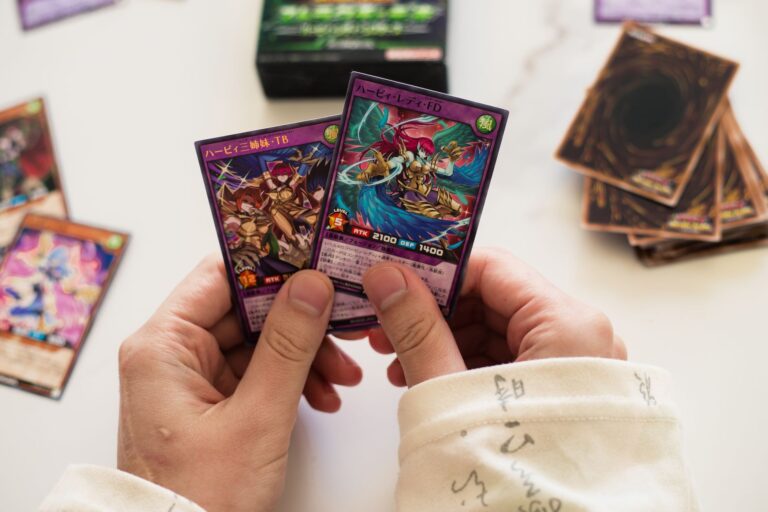
Longtime Pokémon card collectors are quietly unearthing cards that seemed unremarkable a few years ago, only to discover they’ve become surprisingly valuable. The market’s renewed focus on cards that fall outside the traditional powerhouse categories—like holographic Charizards or first editions—has revealed overlooked gems that were often dismissed as common bulk cards or moderately played collectibles.
A prime example is the holographic Blastoise from the Base Set, which for years languished in collection binders next to more celebrated cards, yet has climbed steadily in recent valuations as players recognize its pivotal role in competitive play history and its visual appeal. This rediscovery phenomenon stems from a combination of factors: deeper historical analysis of the card game’s evolution, improved market transparency through price tracking platforms, and a shift in collector priorities away from exclusivity toward appreciation and gameplay significance. Fans who lived through the original trading card game era are returning to their collections and applying fresh perspective, noticing cards that were overshadowed by hype cycles or simply weren’t in demand when grading and resale markets were less developed.
Table of Contents
- Which Overlooked Cards Are Collectors Rediscovering?
- Why Were These Cards Overlooked in the First Place?
- How Are Grading Services Impacting the Rediscovery?
- Identifying Hidden Gems in Your Own Collection
- Authentication and Counterfeit Concerns in the Hidden Gem Market
- Market Trends Driving the Rediscovery
- The Future of Hidden Gem Discovery
- Conclusion
- Frequently Asked Questions
Which Overlooked Cards Are Collectors Rediscovering?
The cards being unearthed range from specific shadowless or early unlimited prints that were never heavily graded, to cards from less popular sets that maintained steady utility in competitive formats. Pikachu cards from the early promotional releases, for instance, sat in bulk collections for decades despite their historical importance as franchise ambassadors. Similarly, cards like Gyarados from the base set and various evolution stages from the Jungle and Fossil sets are experiencing renewed demand as collectors recognize the artwork quality and mechanical design that shaped early tournament play.
One tangible example is the non-holo Base Set Gyarados, which has become a focus point for serious collectors who appreciate the card’s aesthetic without paying the premium for its holographic counterpart. Meanwhile, the Rocket’s Zapdos and other Team Rocket cards—sets that were seen as gimmicks at the time—have gained traction among players studying the competitive metagame evolution. The shift reveals that players and collectors are increasingly distinguishing between cards that were merely abundant and cards that were genuinely overlooked due to market timing rather than actual quality or historical importance.

Why Were These Cards Overlooked in the First Place?
Many hidden gems were overshadowed by aggressive marketing around specific cards, Pokédex completion drives, and the tendency of 1990s and early 2000s collectors to prioritize whatever was trendy in magazines and gaming communities. When the pokémon Company pushed certain cards or sets harder than others, collector attention followed, leaving deeper cuts and supporting cards to gather dust. The Base Set Charizard phenomenon became so overwhelming that it cannibalized interest in almost every other card released in that era, including cards that were mechanically superior or more artistically significant.
The lack of sophisticated pricing data was another major factor. Without widely available historical price tracking, collectors had no reliable way to assess whether a card they owned might appreciate, so they naturally gravitated toward the most visible, famous cards. A critical limitation of this rediscovery process is that it relies on retroactive analysis—many truly valuable cards may have already been lost, damaged, or discarded by collectors who couldn’t have known their future worth. Additionally, the condition of rediscovered cards often varies wildly, as they were stored without modern preservation standards, which can significantly impact their actual market value compared to their conceptual historical importance.
How Are Grading Services Impacting the Rediscovery?
Modern grading services like PSA, BGS, and CGC have fundamentally changed how collectors value and authenticate cards, making it possible to systematically identify and price cards that were previously difficult to assess. When a card gets a high grade, it becomes instantly verifiable and liquid, encouraging collectors to dust off cards they’d never considered selling. The transparency created by graded card databases has sparked intense research into early print runs, shadowless variations, and regional release differences that were invisible to casual collectors in the pre-internet era.
For example, a collector finding a pristine shadowless Magneton in their old collection can now easily authenticate it, grade it through a professional service, and access real market data showing what similar examples have sold for. This process has revealed that many cards had much tighter print runs or more significant design variations than previously understood. However, grading services are not neutral observers—grading costs money, slabs sometimes degrade card value if the grade is mediocre, and the premiums for high grades are not always proportional to actual collector demand, meaning a card might be graded as valuable but still struggle to sell at that price.

Identifying Hidden Gems in Your Own Collection
To spot overlooked cards with potential, collectors should focus on a few practical indicators: cards that played significant roles in competitive decks despite lacking the prestige status of their famous counterparts, cards from sets that were commercially successful but have since been forgotten by casual hobbyists, and cards with artistic qualities that transcend their mechanical functionality. Look for cards with clean borders, minimal print lines, and centered images in reasonable condition, as these tend to grade well when submitted. Research the specific set’s print run history and regional distribution, as cards from limited runs—such as first editions or shadowless prints—naturally carry more weight than unlimited printings.
The tradeoff in pursuing hidden gems is that you’re essentially betting on future collector interest, whereas pursuing established valuable cards means paying a premium for cards whose value has already been documented. A shadowless Golem might appreciate steadily, but you’re also locking capital into something that might not attract the same speculative demand as a Charizard. The practical approach involves balancing a few speculative purchases with your primary goal: owning cards you genuinely enjoy for gameplay or nostalgia reasons, so that even if the speculative angle doesn’t pay off, you still have something of personal value to show for your effort.
Authentication and Counterfeit Concerns in the Hidden Gem Market
As lesser-known cards gain value, the counterfeit market has begun targeting them as well. Scammers recognize that collectors hunting for hidden gems are often doing so without the benefit of massive market familiarity, making them easier targets for high-quality fakes. Shadowless Base Set cards and promotional prints are particularly vulnerable because fewer people can instantly recognize them, and online sellers in lower-oversight marketplaces are quick to exploit that knowledge gap. A critical warning: before spending serious money on a card you’ve never seen authenticated in person, consider having it evaluated by a professional grading service rather than trusting seller photos or loose authentication claims.
Print quality is one of the easiest tells if you know what to look for. Early Pokémon cards have specific printing characteristics—the texture of the finish, the color saturation of the holo pattern, and the precision of text registration—that counterfeiters struggle to replicate perfectly. However, counterfeit quality has improved significantly, and some fakes are now good enough to fool casual inspection. Limitation: even professional graders occasionally disagree on authenticity for borderline cases, particularly with cards that have unusual printing variations or unusual aging patterns. If a price seems too good to be true for a card that should be valuable, it probably is, and the responsible path is to request documentation or grading before committing funds.

Market Trends Driving the Rediscovery
Social media platforms, YouTube channels dedicated to card collecting, and Discord communities have created information networks that quickly amplify emerging price trends and collector interest. When one content creator features a card or discusses its historical significance, that content often reaches thousands of collectors simultaneously, driving sudden spikes in searches and sales. The Pokemon card market has also benefited from broader interest in 1990s nostalgia and the legitimization of collectibles as alternative investment vehicles, bringing new money and attention to cards that were simply ignored before.
A specific example is the surge in interest around Japanese Base Set cards and their Western equivalents, which gained momentum through online collectors comparing print quality and regional availability. The same dynamic that once made a card valuable—scarcity due to lower print runs—now drives price increases as collectors recognize that certain regional variants or early printings are genuinely harder to find than previously thought. This trend is likely to continue as archival research becomes easier and more accessible to the general collector base.
The Future of Hidden Gem Discovery
As the Pokémon card market matures, the window for discovering truly undervalued cards will likely narrow. Cards that are still flying under the radar will eventually be catalogued, priced, and potentially saturated by collector demand, meaning the early adopters who recognize value now will benefit disproportionately. However, new angles for discovery continually emerge—some cards gain relevance through gameplay changes in the Pokémon Trading Card Game’s current formats, others become significant through association with cultural moments or anniversaries, and still others are simply waiting for the right collector community to recognize their aesthetic or historical worth.
The rediscovery trend also suggests that patience and deep knowledge are becoming increasingly valuable in this market. Instead of chasing the obvious collectibles that everyone already knows about, sustained success likely requires understanding the reasons cards matter—their role in gaming history, their artistic qualities, their production details—and recognizing that value often follows meaning. This shift toward substantive collecting over pure speculation could create a healthier, more sustainable market for the hobby overall.
Conclusion
Hidden Pokémon card gems aren’t created by market forces—they’ve always existed in collections, often overlooked due to historical timing, marketing cycles, and the simple fact that vast numbers of cards from the early era remain inadequately researched. Longtime fans returning to the hobby are uniquely positioned to spot these cards because they remember the original context and can distinguish between cards that were genuinely underrated and cards that were merely unfashionable. The combination of improved grading infrastructure, transparent pricing data, and online communities sharing research has democratized the process of valuation, allowing individual collectors to make informed judgments about cards they own.
Your next steps should be to systematically review your collection with fresh eyes, focusing on condition and early print variations rather than assuming you already know what’s valuable. Cross-reference the cards you own against price history databases and grading population reports to identify candidates worth professional authentication. Most importantly, distinguish between cards with genuine historical or mechanical significance and cards that are simply rare—the former are far more likely to sustain value over time. The hidden gems are still out there, waiting for collectors who take the time to understand why they matter.
Frequently Asked Questions
How can I tell if a card I own is a shadowless Base Set card?
Shadowless cards lack the thin black outline around the border frame that appeared starting with unlimited printings. Shadowless prints also have slightly different holo patterns and text positioning. If you’re unsure, submit high-quality photos to a grading service or experienced collector community for verification before proceeding.
Are non-holographic versions of famous cards worth collecting?
Yes, absolutely. Non-holo versions are typically much more affordable, often grade higher in condition because they weren’t subjected to the same scrutiny as holo versions, and many collectors appreciate them for their artwork without the glare. They’re also historically accurate to how people actually played the game competitively.
Should I grade every card in my collection?
No. Grading is expensive and only makes financial sense for cards that are either historically significant, in exceptional condition, or have demonstrated market demand. Common cards and cards in poor condition will likely cost more to grade than they’ll ever be worth. Focus grading efforts on your best examples.
What’s the difference between a first edition and shadowless card?
First edition refers to the print run designation on the stamp (visible on cards from certain early sets), while shadowless refers to the border design and holo pattern style. A card can be both first edition and shadowless, or neither, depending on when it was printed.
Are Japanese cards more valuable than English versions?
It depends on the specific card and set. Japanese Base Set cards were printed in smaller quantities and often have superior print quality, making them valuable to collectors. However, English versions of iconic cards like Charizard often command higher prices due to Western nostalgia and collector base size. Research specific cards individually.
How do I protect newly graded cards?
Keep slabbed cards in a cool, dry place away from direct sunlight, preferably in acid-free storage boxes designed for slabs. Avoid stacking heavy objects on top of graded cards, and handle slabs by their edges. Temperature fluctuations and humidity are the primary enemies of long-term preservation.