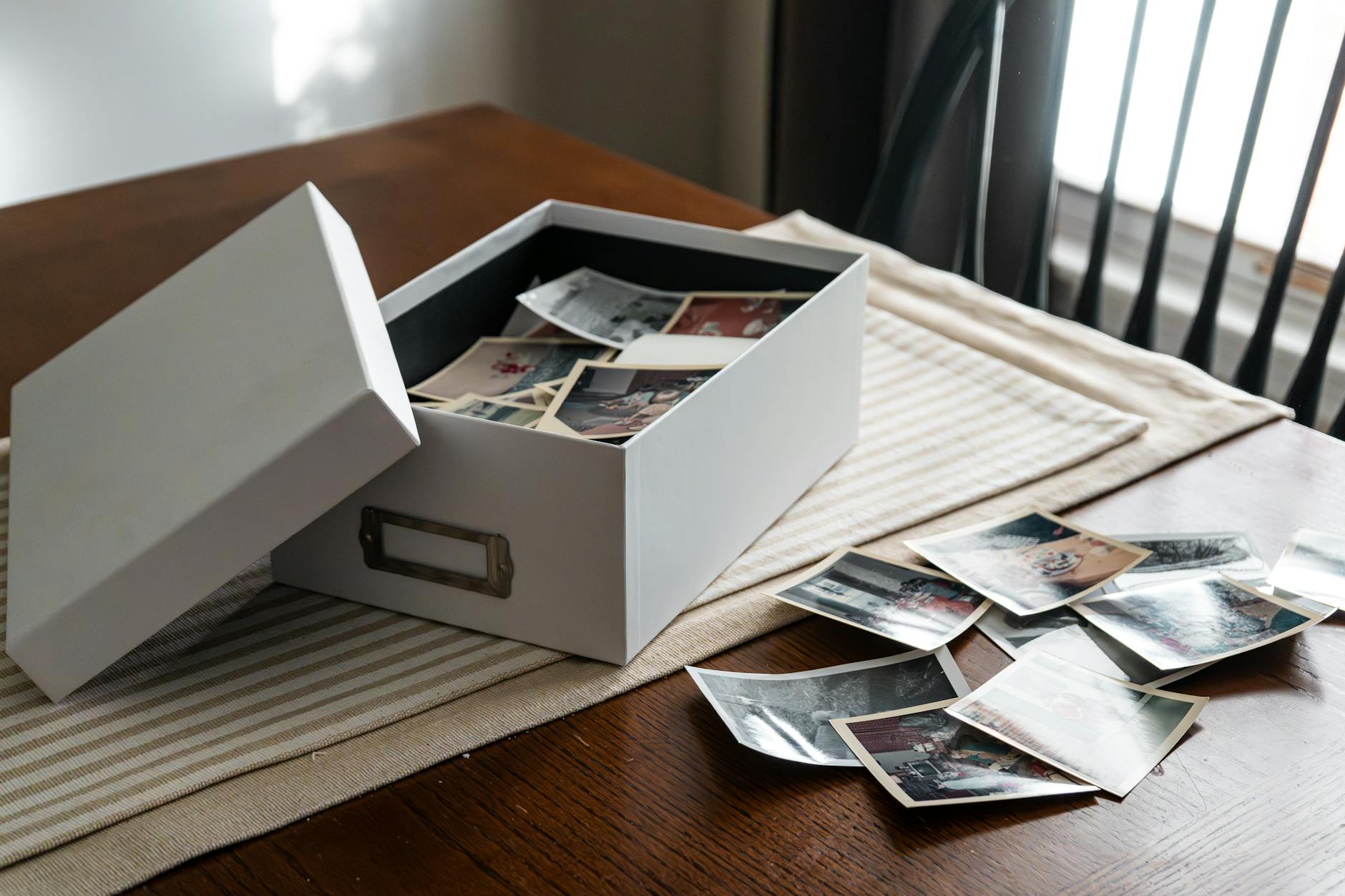
Finding a Base Set Raichu in a shoebox and successfully getting it graded to PSA 9 is entirely achievable—and it represents one of the most rewarding journeys in modern Pokémon card collecting. Many collectors stumble upon old cards in attics, basements, or storage boxes, and with the right approach to cleaning, authentication, and professional grading, those childhood finds can transform into certified, valuable pieces of collection history.
The Base Set Raichu specifically occupies a unique space: it’s common enough that copies appear regularly in old collections, yet desirable enough that a well-preserved specimen with a PSA 9 grade commands genuine collector interest and holds value over time. The path from shoebox discovery to professional grading involves understanding card condition, selecting the right grading company, and managing expectations about costs and turnaround times. Unlike rare holos or first editions that might jump from obscurity to five-figure values, a Base Set Raichu’s worth increases more modestly with grade—but the satisfaction of seeing your childhood card officially authenticated and preserved is worth the effort for many collectors.
Table of Contents
- What Makes Base Set Raichu Worth Grading?
- Assessing Condition Before You Commit to Grading
- The Cleaning Question and Why It Matters
- Choosing a Grading Service and Managing Costs
- Managing Expectations About the PSA 9 Grade
- What Happens After Grading
- The Bigger Picture of Grading Older Cards
- Conclusion
- Frequently Asked Questions
What Makes Base Set Raichu Worth Grading?
base Set Raichu, released in 1999-2000, was printed in massive quantities, which means millions of copies exist in collections worldwide. However, the vast majority of those copies are heavily played—creased, water-damaged, or faded from years in binder pages or deck boxes. A PSA 9 example stands in the 98th percentile of surviving copies, meaning it’s genuinely rare to find a Base Set Raichu that actually grades that high. The card’s non-holographic parallel versions and shadowless variants add layer to this: a Base Set Raichu grading journey might involve discovering which version you actually own before committing to grading.
The economic case for grading depends on where you start. If your card already shows obvious heavy play—creases, stains, or major edge wear—grading costs ($50–$150 depending on turnaround) will exceed any value gained. A PSA 9 Base Set Raichu typically sells for $100–$300, while a PSA 8 might fetch $50–$150. The difference is real, but if your card is actually a PSA 6 or 7, the grading fee eats most or all of your profit.
Assessing Condition Before You Commit to Grading
The critical first step—and where many collectors make costly mistakes—is honestly evaluating your card’s actual condition before sending anything to a grading company. A card that “looks great” to a nostalgic collector might be a PSA 5 or 6 in professional terms. Corner wear, a universal problem with cards stored in shoeboxes, is notoriously difficult for untrained eyes to assess. Even a single visible crease that you missed eliminates any chance at a PSA 9 grade, making your $100 grading fee completely wasted.
The limitation here is that accurate self-assessment requires experience. Most serious collectors recommend photographing your card under bright, angled light and comparing it directly against PSA 9 examples on eBay or dedicated grading forums. If your card has any visible fading, yellowing of borders, or texture changes on the surface, you’re likely below PSA 8. If you can see a bend when you tilt it under light, stop considering grading entirely—that card is headed for a collection binder, not a slab.
The Cleaning Question and Why It Matters
Many collectors discover their shoebox cards covered in dust, storage residue, or minor staining. The temptation to clean them is strong, but this is where collector mythology meets reality. Professional card cleaning—anything beyond gentle air dusting—can actually destroy a card’s grade potential. Aggressive cleaning methods, even with the best intentions, can remove surface finish or alter color perception in ways that lower grades.
The safer approach is minimal intervention: use a soft brush or compressed air only, and leave any staining or discoloration alone. A card with light dust but original surface finish will grade higher than the same card after someone attempted to remove a stain with a cloth or solvents. This is counterintuitive—your card might look “worse” without cleaning, but it will grade better because you haven’t altered the original surface. If your Base Set Raichu has visible staining that bothers you, accept that the staining is now part of the card’s grade calculation, not something that cleaning will fix.
Choosing a Grading Service and Managing Costs
PSA (Professional Sports Authenticators) dominates Pokémon card grading and commands the highest collector preference, but alternatives like Beckett Grading Services (BGS) and SGC exist. For a Base Set Raichu, PSA submission costs range from $50–$150 depending on turnaround time: economy services take 2–3 months at $50, while express services complete in weeks at higher cost. That timing matters—if you’re grading a card for your own collection and not trying to flip it quickly, economy makes financial sense. The tradeoff is patience.
Submitting during peak seasons (post-holidays, summer) means longer waits even for faster services. A comparison: if you pay $150 for express grading versus $50 for economy, you’re spending $100 extra to reduce wait time by 6–8 weeks. For a card worth $100–$300 after grading, that premium is usually unnecessary unless you have a specific deadline. Many collectors batch submissions (grading multiple cards in one shipment) to amortize shipping and administrative fees.
Managing Expectations About the PSA 9 Grade
Achieving a PSA 9 with a shoebox card is possible but requires honest luck or exceptional childhood storage conditions. PSA grades on a 1–10 scale where 9 is “mint condition” with only the most minor defects visible under close inspection. Most heavily played cards from the late 1990s max out at PSA 6–7. If your Base Set Raichu lived in a collection binder in consistent conditions—away from direct light, not in a humid basement, not bent—you have a legitimate shot at 7 or 8. PSA 9 requires near-perfect centering, pristine corners, sharp edges, and clean surface finish with no visible imperfections.
The warning: the jump in value from PSA 8 to PSA 9 is roughly 50–80%, but the gap in condition quality is enormous. You cannot will a card into a PSA 9 grade. If your card has corner wear that’s visible in normal light, it’s not going to surprise you with a 9. Overestimating condition is the most expensive mistake grading hobbyists make, and you find out only after the company has already charged your card and issued the verdict. Research realistic comps for your specific card version before committing funds.
What Happens After Grading
Once your Base Set Raichu comes back slabbed with a grade, you’ve reached a decision point: keep it as a display piece in your personal collection, or list it for sale. A PSA 9 is desirable enough to attract buyers on platforms like eBay, Heritage Auctions, or specialized Pokémon marketplaces, but you’re competing with dozens of other slabbed Base Set Raichus at similar grades.
The card’s price will fluctuate with broader Pokémon market trends, and there’s no guarantee that the $100–$300 valuation range holds indefinitely. For many collectors, the real value is personal: owning a certified, preserved piece of your childhood is worth the time and cost even if you never sell it. The slab itself protects the card from future deterioration, which matters if you want it to last decades more.
The Bigger Picture of Grading Older Cards
Grading Base Set Pokémon cards has become increasingly common as the collecting community matures and prices rise. This has shaped the secondary market substantially—ungraded versions of the same card sometimes sell for 30–50% less than slabbed equivalents, even at identical condition. This creates both an opportunity and a risk: opportunity if your card really does deserve a high grade (instant value unlock), risk if you grade a mediocre copy and then struggle to recoup costs.
The forward outlook for Base Set cards specifically is stabilization. The market for vintage Pokémon is unlikely to see the explosive growth of 2020–2022, but sustained interest from serious collectors ensures a permanent market for certified, high-grade vintage pieces. A PSA 9 Base Set Raichu is closer to a museum piece than a speculative investment—it’s a card that’s unlikely to lose significant value precisely because it’s genuinely hard to find in that condition.
Conclusion
The journey from a shoebox find to a PSA 9 Base Set Raichu is achievable but requires honest condition assessment, realistic expectations, and patience with professional grading services. The critical mistake most collectors make is overestimating their card’s condition or underestimating the cost-to-benefit ratio of grading—not every card deserves to be slabbed, and that’s okay. Before you commit to grading, spend time photographing your card under strong light, comparing it against authenticated PSA 9 examples, and accepting that dust or minor staining doesn’t necessarily mean a poor grade.
If your Base Set Raichu genuinely earns a PSA 9, you’ll own a certified piece of Pokémon collecting history that holds both personal and monetary value. If it grades lower, you’ll learn exactly where your preservation efforts succeeded or fell short—valuable knowledge for protecting cards going forward. Either way, the grading process transforms your shoebox find from a nostalgic item into a documented artifact, and for collectors, that transition is the entire point.
Frequently Asked Questions
How much does PSA grading cost for a Pokémon card?
Economy service costs around $50 and takes 2–3 months. Express services range from $75–$150 for faster turnaround (2–6 weeks). You also pay return shipping costs.
Can I clean my Base Set Raichu before grading?
No. Avoid any cleaning beyond gentle air dusting. Professional cleaners use solvents or methods that can damage surface finish or alter color perception, lowering your grade.
What’s the difference between a PSA 8 and PSA 9?
PSA 8 is “near mint” with minor wear visible under close inspection. PSA 9 is “mint” with only the most negligible imperfections. The grade gap represents significantly better condition, and a PSA 9 typically sells for 50–80% more.
Is it worth grading a Base Set Raichu if I don’t plan to sell it?
Yes, if you want long-term preservation. The slab protects against creasing, bending, and environmental damage. Many collectors grade cards purely for personal collection display.
How do I know if my card is actually PSA 9 quality before submitting?
Compare it side-by-side with authenticated PSA 9 examples on eBay under bright light. Check corners for rounding, edges for wear, and surface for scratches or texture loss. If you see any imperfection in normal light, your card is likely below PSA 9.
Should I grade my Base Set Raichu during peak collecting season or wait?
Wait for off-season (late August through November) if you’re using economy service. Turnaround times are shorter and pricing is occasionally better. If you use express service, timing matters less since you’re already paying a premium.
You Might Also Like
- From Hit on WhatNot to PSA 9: My Base Set Nidoking Journey
- Will Base Set Dragonair Hit a New All-Time High Next Cycle
- Why Certain Base Set Variants Are Hard to Ignore