The myth that cleaning a Base Set Poliwag will improve its grading score is one of the most persistent misconceptions in the Pokémon card collecting community. In reality, professional grading companies like PSA and Beckett grade cards based on their inherent condition—surface wear, centering, corners, and edges—not on whether the card has been cleaned. Attempting to clean a Poliwag or any vintage card before submission can actually harm its grade significantly. A PSA-10 Base Set Poliwag that has been cleaned might be downgraded to a PSA-6 or lower if evidence of cleaning is detected during the grading process.
This misconception likely stems from the assumption that removing visible dust, fingerprints, or slight surface marks would result in a higher grade. However, graders are trained to detect cleaning attempts, and more importantly, professional grading companies penalize cards that show any signs of cleaning or restoration. A Base Set Poliwag with light dust that grades PSA-8 naturally will always grade higher than the same card after an amateur cleaning attempt that leaves microabrasions on the surface. Understanding what graders actually look for, and what they actively penalize, is essential for anyone considering submitting their Poliwag to a grading service.
Table of Contents
- Does Cleaning Really Improve Your Poliwag’s Grade?
- The Dangers of DIY Cleaning Methods on Vintage Cards
- What Graders Actually Look For When Evaluating Surface Condition
- The Practical Reality: What To Do With a Soiled or Dusty Poliwag
- Grading Qualifiers and What “Cleaned” Really Means for Your Card’s Value
- The Psychology Behind the Cleaning Myth
- Best Practices for Preserving Your Poliwag’s Grade
- Conclusion
- Frequently Asked Questions
Does Cleaning Really Improve Your Poliwag’s Grade?
The short answer is no—cleaning does not improve your Poliwag’s grade, and it almost certainly will lower it. Professional graders examine cards under high-magnification light and use various detection methods to identify whether a card has been cleaned, polished, or otherwise altered. Even gentle cleaning methods that seem harmless to the naked eye can leave microscopic marks or remove protective patina from the card’s surface. A base Set Poliwag that arrives at a grading company with visible cleaning marks will receive a qualifier such as “cleaned” in its grading report, and this automatically caps the card’s potential grade at a lower threshold, regardless of the card’s actual condition underneath.
The reason this myth persists is because people sometimes see cards with light surface wear that they believe could be improved. They imagine that dust particles or minor oxidation could be buffed away, revealing a better card underneath. In practice, however, what graders call “surface” encompasses the entire visual appearance of the card, including any evidence of tampering. A Poliwag with a slight haze from natural aging in a binder will grade based on that haze. Attempting to remove that haze through cleaning will typically create new surface disturbances that are actually more damaging to the grade than the original haze would have been.
The Dangers of DIY Cleaning Methods on Vintage Cards
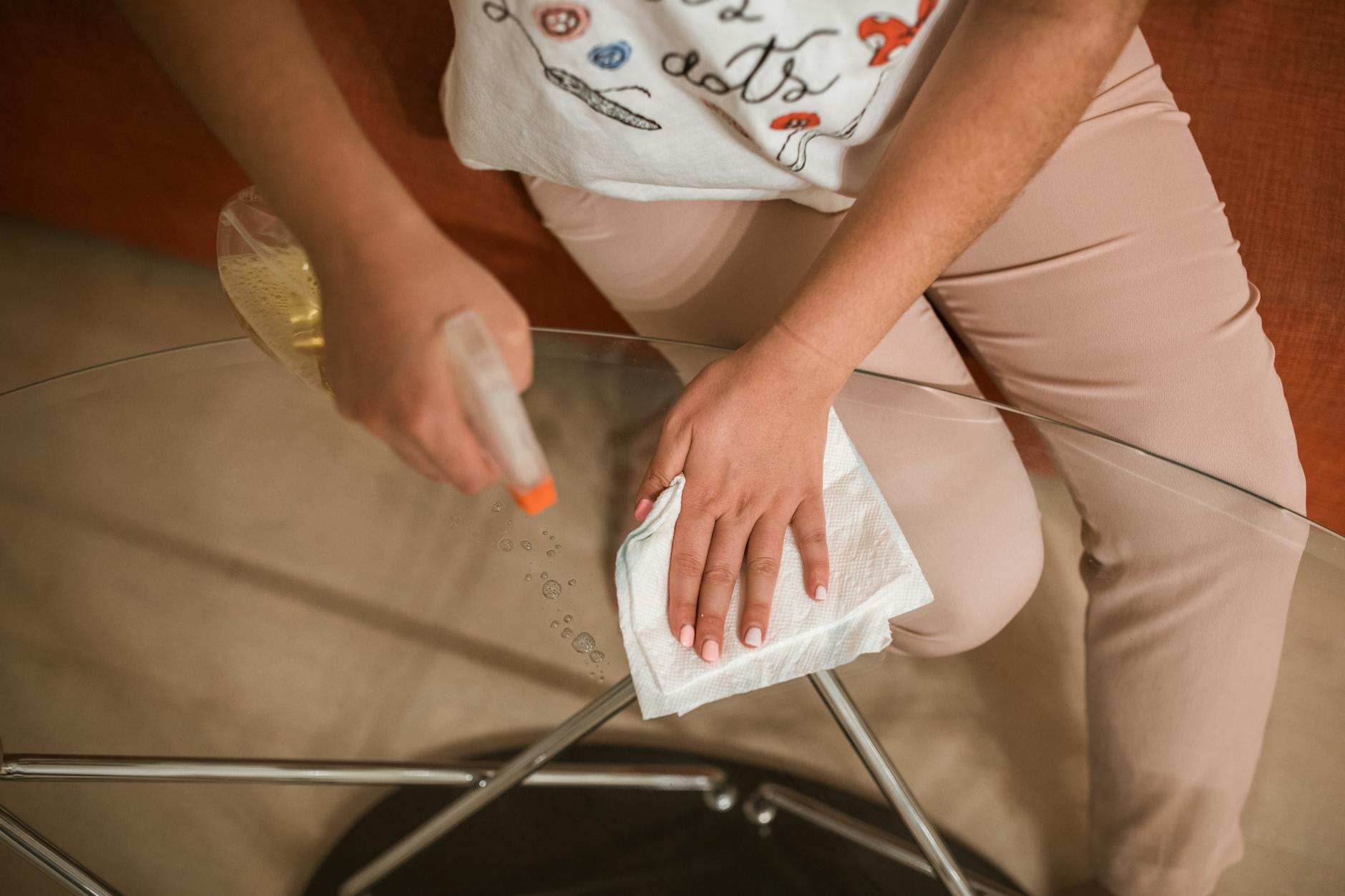
Attempting to clean a Base Set Poliwag yourself introduces significant risk because you cannot replicate the conditions and expertise of a professional restoration facility—and even then, professional restoration typically results in a lower grade due to the qualifier applied by graders. Common DIY methods include using cotton swabs with water, microfiber cloths, or commercial card cleaning products, all of which can damage the card in ways that are difficult to reverse. The Base Set Poliwag card stock is thinner and more fragile than modern cards, making it particularly vulnerable to moisture damage, edge splitting, or permanent surface alteration. Water exposure is especially problematic with vintage cards.
Even briefly dampening a cotton swab can introduce moisture that causes the card’s layers to separate or swell, leading to permanent warping or a cloudy appearance in the surface. Microfiber cloths, while gentler than regular cloth, can still create directional scratches that are highly visible under the magnification a grader uses. Commercially available card cleaning solutions are often designed for modern cards and can leave residue or alter the card’s finish on vintage stock. A Base Set Poliwag that has been exposed to any of these methods and then submitted to a grading company will almost certainly come back either rejected for grading or assigned a significant grade penalty.
What Graders Actually Look For When Evaluating Surface Condition
Graders assess surface condition through a combination of factors: the presence of creases, small tears, scratches, and overall print defects. On a Base Set Poliwag, they examine both the front and back of the card carefully, looking at areas that commonly show wear such as the center of the card and the edges. The centering itself—how the image aligns with the borders—is a separate grading factor and cannot be “fixed” through cleaning. What matters is the card’s original condition, including any natural aging effects like light surface wear, slight color shifts, or minor spots.
When a grader suspects cleaning, they look for telltale signs including a too-perfect surface appearance, directional scratches, or an unnatural sheen or dullness that differs from the surrounding areas. Some cleaned cards display what collectors call “wiping marks”—faint linear scratches visible under magnification that indicate the card was rubbed in one direction. A Base Set Poliwag that has been wiped down, even gently, will almost certainly exhibit these marks. Graders also use ultraviolet light to detect certain types of alterations and restoration work that might not be visible under normal light. The entire examination process is designed specifically to catch attempts to artificially improve a card’s appearance.
The Practical Reality: What To Do With a Soiled or Dusty Poliwag
If you own a Base Set Poliwag with surface dust or light residue, the best approach is to leave it as-is and submit it for grading in its current condition. Many collectors worry that dust will lower the grade, but dust particles are distinguishable from actual surface damage during grading, and they do not affect the grade as severely as cleaning damage would. The grader will account for minor dust and still assign a grade based on the card’s underlying condition. Conversely, attempting to remove that dust introduces risk that far outweighs any potential benefit.
If your Poliwag has something genuinely problematic—such as sticky residue from tape, sticker residue, or actual debris embedded in the card’s surface—you have limited options. Some collectors use a soft, dry brush to gently remove loose particles, but this should be done with extreme caution and only by collectors with experience handling vintage cards. Most professional graders would recommend simply submitting the card as-is rather than attempting any intervention. The downside of attempting your own cleaning is permanent and irreversible damage; the downside of submitting a slightly dusty card is a moderate grade in the current condition, which is far preferable.
Grading Qualifiers and What “Cleaned” Really Means for Your Card’s Value
When a card receives a “cleaned” qualifier in its PSA or Beckett report, it signals to collectors and dealers that the card has been altered, and this dramatically affects resale value. A Base Set Poliwag that would otherwise grade PSA-8 might see its market value cut in half if it receives a PSA-7 with a “cleaned” qualifier compared to a natural PSA-7. This is because collectors specifically seek cards in their original condition, and a qualifier indicates the card’s history has been compromised. Even if the card looks acceptable to the naked eye after cleaning, the qualifier will follow the card forever in its grading report.
The warning here is that some sellers or collectors attempt to clean cards without disclosing this to a grading company, hoping to hide the evidence. However, professional graders are highly trained at detecting cleaning, and submission of a card you know has been cleaned is ethically and practically problematic. It wastes your grading fee, and the resulting qualifier (if the card is graded at all) provides permanent documentation of the alteration. Additionally, selling a card knowing it has been cleaned without disclosing this to the buyer is fraudulent. For a valuable Base Set Poliwag, the stakes are high enough that the ethical and practical choice is always to submit the card in its current state.

The Psychology Behind the Cleaning Myth
Collectors often believe that cleaning will help because they’re thinking in terms of everyday objects—when you clean your car, it looks better; when you clean your glasses, they work better. Cards don’t function in this way. A Pokémon card’s value and grade depend on its historical condition, not on how clean it currently looks. The myth persists because there is a kernel of logic to it: a cleaner appearance seems like it should correlate to a better grade.
In reality, graders are evaluating the card’s condition history and material integrity, not its current aesthetic appeal. Another reason this myth thrives is that some collectors have attempted cleaning and weren’t caught by their grader, leading them to believe the practice is safe. However, this is survivorship bias—you’re hearing about the rare cases where cleaning went undetected (or was barely detectable) rather than the many cases where it resulted in a qualifier or rejection. A Base Set Poliwag that happens to be cleaned very carefully by someone with experience and submitted to a grader who doesn’t catch it creates the false impression that cleaning works. The statistical reality is that most attempted cleanings are detected, and those that aren’t are often still visible upon closer inspection by serious collectors or dealers.
Best Practices for Preserving Your Poliwag’s Grade
The best way to maximize your Base Set Poliwag’s grade is to store it properly and never handle it unnecessarily. Use proper card sleeves and toploaders, keep the card in a temperature and humidity-controlled environment, and avoid direct sunlight. If you’re planning to grade the card, handle it by the edges only and avoid touching the front or back surface. Some collectors place their cards in brand new, never-used sleeves within a few hours of purchasing them to prevent further contact damage or fingerprints.
A card stored this way is more likely to improve in appearance perception over time (as you become accustomed to its condition and stop noticing minor flaws) rather than to degrade. Looking forward, as vintage Pokémon card grading becomes more standardized and professional, the market will increasingly reward cards in original condition with verified grading history. Any attempt to clean, polish, or restore a card is moving in the opposite direction of what the market values. For collectors serious about the long-term value of their Base Set Poliwag, the investment in proper storage and handling will always outweigh the temptation to “improve” the card through cleaning.
Conclusion
The myth that cleaning improves a Base Set Poliwag’s grade is fundamentally at odds with how professional grading actually works. Graders evaluate cards based on their condition history and material integrity, and they actively penalize evidence of cleaning or restoration. Even seemingly gentle cleaning methods can introduce permanent damage that lowers the grade more significantly than whatever condition issue you were trying to fix.
The safest and most practical approach is to store your Poliwag properly, handle it minimally, and submit it for grading in its current state. Understanding this myth and choosing not to act on it will save you from expensive mistakes and will ultimately maximize your card’s grade and value. If you’re uncertain about a specific condition issue on your Poliwag, contact the grading company directly with photographs before submitting—but never attempt cleaning yourself. The integrity of the card is its most valuable asset, and that integrity is best preserved by leaving the card exactly as you received it.
Frequently Asked Questions
Will dust or fingerprints lower my Base Set Poliwag’s grade?
Minor dust and light fingerprints will have minimal impact on the grade compared to cleaning damage. Graders distinguish between surface dust and actual surface wear. A naturally dusty card will receive a higher grade than the same card after an attempt to clean it.
Is it safe to use a microfiber cloth on my Poliwag?
Even microfiber cloths can create directional scratches visible under magnification. Any rubbing or wiping of the card surface carries risk. It’s safer to leave the card untouched.
What if my Poliwag has sticky residue or tape residue?
Contact the grading company before submission if you have concerns about specific debris. Some residue may be evaluated as-is, and attempting removal yourself is riskier than submitting the card with the residue present.
Can a card be cleaned by a professional restoration service without receiving a qualifier?
Professional restoration typically results in a qualifier and a lower grade than the card would receive if left untouched. There are very few circumstances where professional restoration is worthwhile for value reasons.
Will my Poliwag’s grade improve if I clean it and wait a year before submitting?
No. A grader will still be able to detect evidence of cleaning even if time has passed. The time elapsed does not erase the alterations made to the card’s surface.
How do I tell if a Base Set Poliwag has been cleaned before I purchase it?
Request the PSA or Beckett report directly, as it will indicate any qualifiers. If purchasing from a dealer, ask specifically whether the card has any grading qualifiers. If buying raw, be cautious of cards with unusually perfect surfaces or obvious wiping marks under magnification.