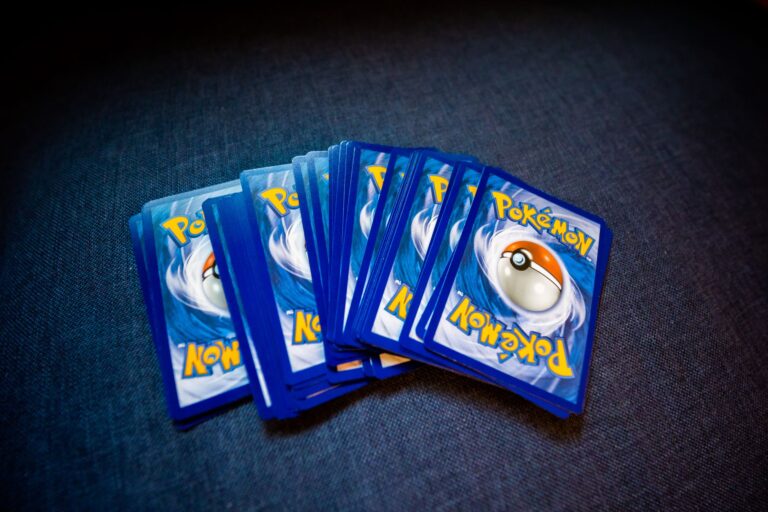
Pokémon card collectors are entering the market in unprecedented numbers following record-breaking auction sales that have captured mainstream attention. In February 2026, Logan Paul’s Pikachu Illustrator card sold at Goldin Auctions for $16.49 million, setting a new Guinness World Record as the most expensive trading card ever sold at auction.
This sale shattered the previous milestone of $6.3 million and sparked a wave of renewed interest from both seasoned collectors and newcomers curious about whether they might own valuable cards in their collections. The surge in purchasing reflects a fundamental shift in how the market views Pokémon cards—not merely as nostalgic collectibles, but as assets that can appreciate dramatically in value. This article examines what’s driving the collector rush, which cards are attracting the most attention, and what you should understand about participating in this increasingly competitive market.
Table of Contents
- What’s Behind the Surge in Pokémon Card Collecting?
- How Record Sales Impact the Broader Market
- Which Cards Are Drawing Collector Demand?
- Investment Considerations for New Collectors Entering the Market
- Market Volatility and the Risks of Speculation
- The Critical Role of Grading and Authentication
- Where the Market is Heading
- Conclusion
What’s Behind the Surge in Pokémon Card Collecting?
The recent record auction sales have created a cascade effect through the collector community. When news broke that a single Pikachu Illustrator card fetched $16.49 million, it generated headlines far beyond typical trading card circles, reaching mainstream business and news outlets. This visibility brought casual collectors back to hobby shops and online marketplaces, searching their attics for cards they might have overlooked. The psychological impact of seeing such extraordinary prices is real—when people learn that cards they once considered worthless could potentially be worth substantial amounts, their motivation to look through old collections intensifies.
Data shows the scale of this trend quantitatively. Non-sports trading card spending, dominated largely by pokémon products, jumped 350% between 2020 and 2025. This substantial increase wasn’t driven by a single year of hype but rather sustained interest through a five-year period, suggesting the market has legitimate depth beyond momentary speculation. The pandemic initially sparked this surge as people sought home-based entertainment and collectibles, but the trend has persisted and strengthened with each subsequent year, including notable acceleration in 2025 and 2026.

How Record Sales Impact the Broader Market
While $16.49 million for a single card makes headlines, it’s important to understand that record auction prices don’t automatically translate into equivalent gains throughout the entire market. The cards that sell for record amounts are typically extremely rare items with exceptional provenance and grades—in the case of the Pikachu Illustrator, it’s one of fewer than 40 copies known to exist and carries a history that adds to its cachet. However, the broader Pokémon card price indexes have indeed posted gains significantly exceeding traditional investment benchmarks during surge periods. During the pandemic era and again in 2025, indexed prices for high-grade vintage Pokémon cards have substantially outperformed the S&P 500’s long-term average annual return of 10-12%.
The caveat here is that not all Pokémon cards participate equally in these gains. Common cards and mass-produced modern sets appreciate slowly or not at all, while the increases are concentrated in vintage cards, especially those in high grades from first edition or shadowless runs. Additionally, price appreciation is heavily dependent on card condition and authentication. A Charizard from the base set might sell for $10,000 in PSA 9 condition but only $1,000 in PSA 7, demonstrating that the market is increasingly grade-conscious and that small differences in condition can mean enormous differences in price.
Which Cards Are Drawing Collector Demand?
The cards capturing serious collector interest are predominantly from the original 1999 and early 2000s releases, particularly holographic versions of popular Pokémon. In December 2025, a PSA 10 shadowless holographic Charizard sold at Heritage Auctions for $550,000, setting a record for that specific card grade. This sale illustrates how even within a single card, different grades command vastly different markets. The Charizard has long been considered one of the most sought-after non-promotional cards because of its scarcity, iconic status, and the role it played in the trading card craze of the late 1990s. Beyond the Charizard, promotional cards and special editions are drawing significant attention.
A PSA 9 Trophy Pikachu No. 1 Trainer card sold in September 2025 for $3 million, demonstrating that promotional versions can rival or exceed base set prices depending on their rarity. The market currently favors cards that have some combination of age, rarity, aesthetic appeal, and pop culture significance. Modern cards, even in perfect condition, generally appreciate far more slowly because they’re produced in far larger quantities. A booster box from a recent set might appreciate 5-10% annually, whereas a first edition Blastoise in high grade might appreciate 20-30% annually or more, depending on market conditions.

Investment Considerations for New Collectors Entering the Market
For someone considering the Pokémon card market as an investment, understanding the difference between purchasing graded vintage cards and purchasing raw ungraded cards is essential. Graded cards—those authenticated and assigned a condition grade by services like PSA—carry premiums of 50% to 300% over ungraded equivalents of the same card, depending on the grade and rarity. A PSA 10 card will command exponentially more than a PSA 8, even though both are objectively high-quality examples. The advantage of graded cards is that the grade is verified and standardized, making them easier to buy and sell with confidence.
The disadvantage is that you’re paying significant premiums before the card itself appreciates. Raw cards purchased from dealers or other collectors offer the potential for future grading if they prove to be in exceptional condition, but they carry uncertainty. If you purchase an ungraded card thinking it’s PSA 9 quality and it later grades out at PSA 7, the price differential can be substantial enough to eliminate any profit margin. New collectors often underestimate condition—cards that look “mint” to the naked eye frequently grade a point or two lower than expected once professionally assessed. A practical middle ground for many collectors is to purchase raw cards of known provenance from reputable dealers, have them graded, and then decide whether to hold or sell based on the grade and pricing.
Market Volatility and the Risks of Speculation
While the data shows strong long-term appreciation, the Pokémon card market can experience sharp downward movements driven by changes in collector sentiment or broader economic conditions. The market experienced a notable correction in early 2024 after years of explosive growth, with some segments declining 15-30% from their peaks. This volatility is important to recognize, particularly for investors entering at the height of a buying surge. Buying into a market immediately after record-breaking sales can mean buying near the top, especially if you’re purchasing cards that are already at or near historical price highs.
The distinction between collectors and speculators is meaningful here. Long-term collectors who purchase cards they enjoy and can hold for years are less vulnerable to short-term volatility than traders seeking quick profits after major auction sales. Additionally, the supply of truly rare vintage cards is fixed—no new first edition Charizards are being printed—which provides some price floor support that doesn’t exist for modern cards or speculative investments. However, the demand side of the equation is variable and can shift based on factors ranging from nostalgia cycles to whether new Pokémon games or media capture cultural attention.

The Critical Role of Grading and Authentication
The shift toward higher prices in the Pokémon market has been accompanied by a simultaneous shift toward professional grading and authentication. Cards that would have traded on trust and reputation in earlier decades now almost universally undergo third-party assessment. PSA, the Gem Mint, and a handful of other services apply numerical grades that standardize condition and provide verification that a card is genuine and has not been altered or restored. A PSA 10 Pikachu Illustrator is worth millions; a counterfeit or heavily restored version is worth almost nothing.
This shift creates both opportunities and risks. For buyers, grading provides assurance and standardization—you know exactly what you’re purchasing. For sellers, grading costs money (typically $100-500 per card depending on card value and service), which can eat into returns if the card doesn’t grade as high as hoped. The grading industry itself has become a bottleneck during periods of high demand, with turnaround times extending from weeks to months, and pricing varying based on the declared value of the card being graded.
Where the Market is Heading
The sustained increase in Pokémon card spending and the continuing stream of record auction sales suggest that collector demand remains robust heading into 2026 and beyond. The market has matured significantly from the speculative bubble of 2020-2021, with more sophisticated participants and clearer price discovery through platforms like eBay, Heritage Auctions, and Goldin Auctions. However, the market remains sensitive to external factors.
Interest in Pokémon itself can shift—new game releases or television adaptations can revive dormant interest, while a decline in cultural relevance could dampen demand. The continued professionalization of the market, with investment funds and high-net-worth collectors increasingly viewing cards as alternative assets, suggests that prices for top-tier vintage cards are likely to remain supported at elevated levels. However, the gap between the most desirable cards and common or lower-grade cards will likely continue to widen, with appreciation concentrated at the top of the market.
Conclusion
The rush of collectors buying Pokémon cards in the wake of record auction sales reflects a genuine structural shift in how the market values vintage trading cards. Logan Paul’s $16.49 million purchase of the Pikachu Illustrator card was attention-grabbing, but it’s merely the most visible data point in a larger five-year trend showing 350% growth in trading card spending and price appreciation substantially outpacing traditional equity markets. The market rewards rarity, condition, and authentication—factors that make vintage cards from the original runs significantly more valuable than modern equivalents.
For those considering participation in this market, the key takeaway is understanding what you’re buying and why. Record-setting sales generate attention and can drive short-term buying interest, but sustainable appreciation comes from purchasing cards with genuine scarcity, strong historical performance, and reputable grading. The market has moved from a speculative environment toward a more mature one with standardized authentication and pricing, which should make it easier for newcomers to navigate—provided they take time to understand the nuances of grading, condition, and rarity that actually drive prices.