
Collectors watch scarce holographic Pokémon cards closely because supply directly drives value. When fewer cards exist in the marketplace—whether due to low original print runs, high wear from age, or grading rarity at high levels—prices tend to climb. A single scarce holo card can appreciate significantly over months or years, turning modest investments into valuable holdings.
The 1st Edition Charizard holographic card from Base Set remains the most famous example: only a fraction of the cards printed survive in collectible condition today, and pristine copies have sold for six figures. The attention collectors give to scarce holos isn’t speculation alone—it’s rooted in basic economics. When demand exceeds supply, prices adjust upward. Serious collectors monitor these cards the way investors track stocks, watching sales data, condition reports, and rarity rankings to spot undervalued opportunities before the broader market recognizes them.
Table of Contents
- Why Do Some Holos Become Scarcer Than Others?
- Price Movements and Market Vulnerability
- Specific Examples of Closely Watched Scarce Holos
- How Collectors Monitor Scarce Holos
- Risks and Limitations of Chasing Scarce Holos
- Grading and Authentication as Value Markers
- Future Outlook for Scarce Holographic Cards
- Conclusion
Why Do Some Holos Become Scarcer Than Others?
Scarcity emerges from multiple sources in the Pokémon card market. Early print runs from the late 1990s and early 2000s produced fewer total cards than modern sets, and time has been brutal on survivors. Cards were played with, stored poorly, exposed to humidity and sunlight, or simply lost or destroyed. A Base Set holo card that sees light play in someone’s childhood binder is far rarer than the same card produced today, where collectors immediately sleeve and store new pulls. Print run decisions also create deliberate scarcity.
Limited editions, first printings, and special sets like shadowless cards were printed in smaller quantities than unlimited reprints. The Japanese market sometimes receives fewer copies of certain sets than the English market, inverting scarcity for different collectors depending on region. A holo from a Japanese set might be far scarcer in North America than the same card in English, making regional perspective essential when evaluating true supply. Grading itself compounds scarcity at the highest levels. A card graded PSA 9 is far rarer than the same card graded PSA 8, creating steep price jumps as quality increases. The small percentage of vintage holos that survive in near-mint condition becomes the true scarce commodity—not just the card itself, but the card in the condition that collectors most value.

Price Movements and Market Vulnerability
Scarce holos have seen dramatic price swings. Some cards appreciated 200-300% over five-year periods, while others stalled or declined despite their rarity. A limited supply alone doesn’t guarantee price growth; the card must also maintain collector demand. If a particular holo loses relevance or a collector segment shifts focus to different cards, scarcity becomes less protective. Market corrections happen quietly but decisively.
During 2021 and 2022, the overall Pokémon market experienced a significant pullback after explosive 2020-2021 appreciation. Many rare holos that doubled in value saw those gains evaporate. Collectors who bought at peak prices learned that scarcity doesn’t insulate from broader market trends. A card might be objectively rarer than it was two years ago, yet worth less because the market collapsed or moved on to chase different cards. The warning here is direct: scarcity is necessary but not sufficient for value preservation. Collectors who watch these cards closely are really tracking demand alongside supply, knowing that a truly valuable card must be both scarce and genuinely wanted by enough collectors to support the price.
Specific Examples of Closely Watched Scarce Holos
The Blastoise holographic from base Set 1st Edition commands attention because production numbers were genuinely limited. Graded copies at PSA 8 or 9 rarely appear for sale, and when they do, they typically reach $8,000-15,000 range depending on exact condition. The scarcity is real—fewer survived than most other Base Set holos—but the price also reflects strong demand from players of the original trading card game who now have disposable income. Dark Golbat from Team Rocket presents a different case: it was printed in more modest quantities initially, and condition issues from the card stock and inking of that era mean truly clean copies are genuinely hard to locate.
Collectors watch PSA-graded versions appear for sale, noting that 9s and 10s are far rarer than earlier estimates suggested. The supply surprise created price appreciation as the market recognized just how few high-grade copies existed. The Articuno holographic from Fossil set offers a smaller-budget example. It’s not a chase card like Charizard, but collectors familiar with the era know the card saw limited print and appears infrequently in high grades. These mid-tier scarce holos receive less attention than the icons, but experienced collectors track them as potential value plays—cards underpriced relative to their actual scarcity.
How Collectors Monitor Scarce Holos
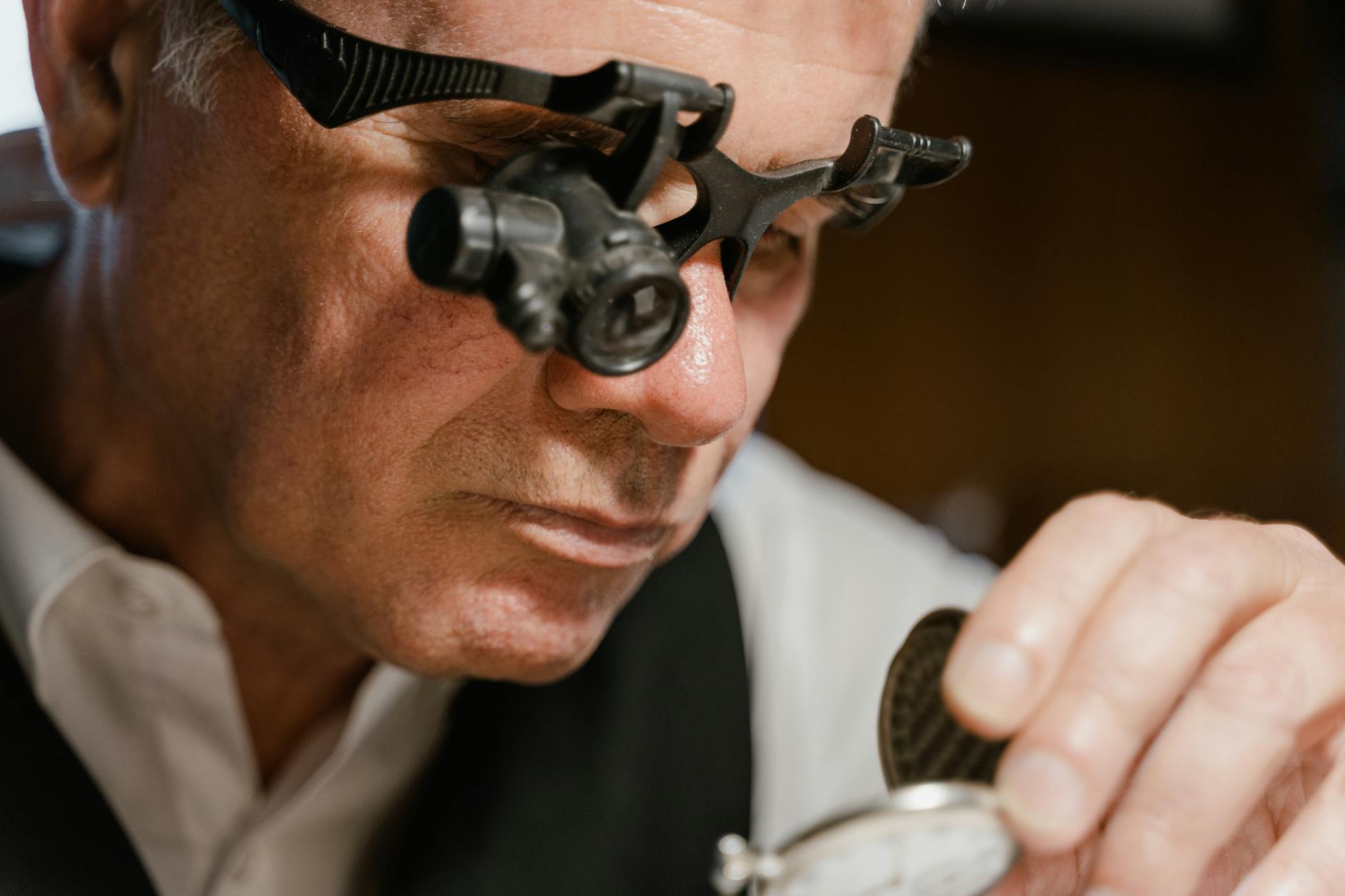
Active collectors use several tools to keep tabs on scarce holographics. They track sold listings on eBay, noting prices, frequency of sales, and condition grades. When a particular holo hasn’t sold for six months, then suddenly appears twice in a week, that signals a shift worth investigating. Some collectors maintain spreadsheets of prices paid at different grades over years, creating historical price trends. PSA and other grading company populations reports provide hard data. When a card has only 47 graded copies in existence, with just 3 at PSA 9, that’s quantifiable scarcity.
Collectors check these reports regularly, updating their sense of supply. If a card once had 52 graded copies but now has 47, that suggests ungraded copies moved into and out of consideration; if the number keeps climbing, market participants are getting more copies graded, potentially increasing accessible supply. Social platforms and collector forums amplify awareness. When a particularly scarce copy sells, photos and discussion spread quickly through collector communities. This can drive temporary price spikes or create competitive bidding for comparable cards. The comparison factor matters: once collectors see a scarce holo sell for a certain price, they immediately benchmark other copies against that sale and adjust their own pricing expectations.
Risks and Limitations of Chasing Scarce Holos
Counterfeiting poses a real threat for high-value scarce holos. As prices climb, the financial incentive to fake a card increases proportionally. Collectors must develop expertise in authentic versus counterfeit characteristics, or rely heavily on professional grading. Even graded cards from established companies carry some risk—grading company standards have shifted over decades, and cards graded as authentic in 2005 might have authentication questions today with improved technology. The illiquidity factor is substantial. A scarce holo might be worth $10,000, but finding a buyer at that price takes time.
Rare cards sell infrequently; you might wait weeks or months to find a serious buyer, particularly for mid-tier scarce holos outside the top-tier chase cards. This contrasts with owning a common high-pop card where sales happen regularly at stable prices. Scarcity creates value but also creates friction in converting that value to cash. Condition risk matters more with vintage scarce holos. A card graded PSA 8 can decline in condition if stored improperly, potentially becoming unslabbed due to wear or damage, destroying the value premium that grading provided. Collectors who buy these cards must commit to responsible storage: stable temperature, humidity control, and careful handling. A single instance of careless storage could erase years of appreciation.

Grading and Authentication as Value Markers
Professional grading from PSA, CGC, or similar companies has become central to how collectors evaluate scarce holos. A raw, ungraded copy of a potentially scarce card sits in ambiguity; slabbing it—sending it for grading—transforms it into a transparent asset with documented condition and authenticity. For scarce holos, that slabbing often reveals whether a card truly deserves its perceived rarity.
Some collectors have discovered that cards they thought were valuable grade lower than expected, or contain previously hidden wear. Others find that ungraded copies in personal collections are actually higher quality than estimated. The grading process itself can be a humbling experience, which is why serious collectors watching scarce holos track which specific cards have been slabbed, what grades they received, and how population numbers have grown as more copies get certified.
Future Outlook for Scarce Holographic Cards
The Pokémon Trading Card Game has experienced sustained revival since 2019, with no signs of fading yet. That means demand for scarce holos from original print runs may remain strong or grow as newer collectors with established wealth seek classic vintage cards. However, new supply still enters the market—previously unclaimed collections from the 1990s and early 2000s surface regularly, and unopened boxes of old packs still emerge occasionally, introducing untouched cards to the marketplace.
As time passes and original-era collectors’ collections eventually liquidate through inheritance or life changes, supply patterns will shift. Collectors watching today are essentially trying to identify which scarce holos represent the best value before broader market recognition or supply surprises change calculations. The future price of scarce holos depends on whether demand from the next generation of collectors proves as strong as current demand from the 35-55 year old demographic that originally collected these cards.
Conclusion
Collectors watch scarce holographic Pokémon cards closely because scarcity paired with demand creates tangible value growth. The market for these cards remains active and sophisticated, with tracking tools, pricing data, and grading standards providing transparency that didn’t exist even five years ago. Yet scarcity alone doesn’t guarantee profit—demand, condition rarity, and broader market sentiment all shape actual prices.
For collectors considering scarce holos, the path forward requires both research and realism. Track prices on cards that genuinely interest you rather than chasing every scarce holo. Build a collection focused on personally meaningful cards rather than pure investment, so that appreciation is a bonus rather than the entire premise. Understand that these cards are illiquid assets requiring proper storage and authentication, not liquid investments you can quickly convert to cash.
You Might Also Like
- Collectors Keep Searching for Better Value Than Charizard
- This Underappreciated Chansey Could Keep Getting Noticed
- This Is the Type of Buy Smart Collectors Prefer