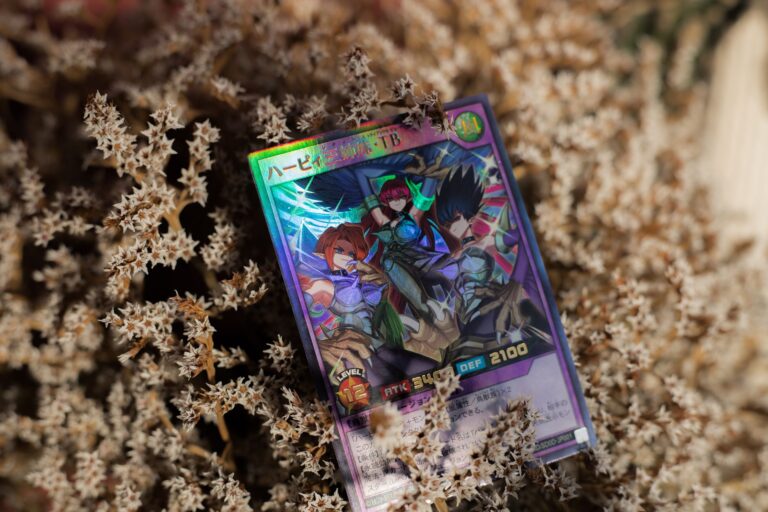
Collectors continue to pursue the same iconic Pokemon cards they’ve always wanted, but with a key difference: they’re increasingly seeking versions with unique artistic treatments, special finishes, or limited-edition variations that set them apart from standard prints. This trend reflects a maturing collector base that appreciates both the nostalgia of familiar faces and the novelty of discovering fresh takes on classic cards. A prime example is the Charizard card—collectors still hunt for this cornerstone piece, but many now prioritize the full-art alternate version from recent sets rather than settling for the standard illustration, willing to pay premiums for the visual distinction.
What’s driving this pattern is straightforward: familiarity paired with scarcity creates genuine collector demand. The Pokemon Company has noticed this appetite and responded by releasing alternate-art versions, special illustrations, and textured cards featuring popular Pokemon that already command attention. Collectors recognize these variants as collectible in their own right while still leveraging the built-in demand of the underlying Pokemon. Pikachu, for instance, appears in dozens of versions within any given set, and each unique treatment attracts dedicated buyers rather than cannibalizing interest from other versions.
Table of Contents
- Why Do Familiar Pokemon Command Premium Prices When Given Special Treatments?
- How Alternate Art and Special Finishes Redefine Collector Interest Without Diluting Core Appeal
- Popular Pokemon That Drive Sustained Demand Across Multiple Variants
- The Collector’s Dilemma: Chasing Every Version Versus Building a Focused Collection
- Grading and Authentication Challenges When Variants Proliferate
- Market Volatility: When Variant Popularity Shifts Unexpectedly
- The Future of Variant Collecting and Market Saturation
- Conclusion
- Frequently Asked Questions
Why Do Familiar Pokemon Command Premium Prices When Given Special Treatments?
The foundation of this phenomenon is brand recognition combined with novelty. Pokemon like Charizard, Blastoise, and Venusaur have been desirable since the 1990s, so collectors already understand their significance and collecting trajectory. When The Pokemon Company releases an alternate-art version of Charizard, it doesn’t require collectors to build appreciation for the card from scratch—they already value Charizard inherently, and the unique artwork simply provides a new reason to acquire it. Compare this to a lesser-known Pokemon receiving alternate art; the new version might be beautiful, but it doesn’t inherit the same established demand.
Pricing data reflects this dynamic clearly. A standard Charizard from recent sets typically sells for $15 to $40 depending on condition and era. An alternate-art Charizard from the same set can command $80 to $300 or more. The difference isn’t driven by rarity alone—sometimes both versions print in similar quantities—but by the combination of an already-proven Pokemon with a distinctly new presentation. Collectors perceive greater value in owning a unique iteration of a card they were already chasing anyway.

How Alternate Art and Special Finishes Redefine Collector Interest Without Diluting Core Appeal
Alternate-art cards function as a safety valve for set design. Without them, The Pokemon Company would face pressure to include only new Pokemon or unique mechanics to maintain collector interest. Instead, they can use beloved classics across multiple visual treatments, and each treatment attracts slightly different segments of the collector base. A child might prefer the standard Pikachu because it’s recognizable at a glance. A serious grader might seek the secret rare full-art version for portfolio cohesion.
A competitive player might just need any legal copy. One Pokemon, multiple viable versions, multiple revenue streams. The limitation here is that saturation is real. If The Pokemon Company releases ten different Pikachu cards in a single set—standard, full-art, secret rare, textured, holographic variants—the novelty of “yet another Pikachu” diminishes. Collectors report decision fatigue when faced with too many options for the same Pokemon. Additionally, the secondary market can become fragmented; instead of price stability around one canonical version, you see volatility across multiple versions as collectors shuffle between them trying to determine which will appreciate long-term.
Popular Pokemon That Drive Sustained Demand Across Multiple Variants
Certain Pokemon operate as perpetual draws for collectors. Charizard and Blastoise from the original 151 head this list, but Pikachu transcends typical collecting patterns because it functions as both a collectible and a brand mascot. The Pikachu Illustrator card—a promotional print from the 1990s—remains one of the most expensive Pokemon cards ever, and the ongoing demand for Pikachu variants suggests that ownership of any version carries inherent status in the collecting community. Mewtwo, Dragonite, and Machamp represent a second tier: strong nostalgic pull without quite the same universal recognition.
When these Pokemon receive alternate-art treatment, they see meaningful price premiums, but the premiums are more volatile than with top-tier Pokemon. A Mewtwo alternate-art card might spike to $150 after release, then settle to $75 as excitement cools. By contrast, a Charizard tends to hold premium pricing more consistently. This comparison illustrates an important principle: familiarity doesn’t guarantee stable pricing, but it does establish a floor below which demand rarely drops for extended periods.

The Collector’s Dilemma: Chasing Every Version Versus Building a Focused Collection
Some collectors adopt a completionist approach, trying to acquire every iteration of a favorite Pokemon. For Charizard this can mean 20+ cards across different sets, eras, and treatments. The investment required is substantial—potentially $2,000 to $10,000 depending on condition and specific versions—and the storage and authentication burden is real. Additionally, this approach concentrates risk.
If the Pokemon card market cools, or if Charizard-specific demand softens, a collector holding twenty Charizards faces broader portfolio impact than someone holding diverse cards. Others take a curated approach: one core version (perhaps a graded PSA 8 of the most iconic artwork) and two or three premium variants that genuinely appeal visually. This strategy typically costs $300 to $1,500 and leaves capital available for other Pokemon or cards. The tradeoff is accepting that you’ll miss some limited editions, but the upside is more balanced exposure and reduced risk if the market shifts. Many experienced collectors describe their shift from completionism to curation as a sign of maturity in the hobby—they stopped trying to own everything and started prioritizing ownership that brings genuine satisfaction.
Grading and Authentication Challenges When Variants Proliferate
As alternate-art cards increase in number and variety, authentication becomes more complex. Counterfeitors target high-value variants, and the visual complexity of some alternate art—intricate backgrounds, metallic finishes, textured surfaces—creates more opportunities for subtle fakes to evade casual inspection. A legitimate Charizard alternate-art card with PSA 9 grading can sell for $200 to $400; a convincing counterfeit might sell for $100, creating an attractive target for bad actors.
The limitation is that even professional grading services occasionally dispute authentication when examining variants with unusual finishes. Holographic patterns that are slightly off, print lines that might indicate a production error, or texture inconsistencies can lead to legitimate cards being returned ungraded or receiving lower grades than expected. Collectors purchasing variants, particularly from secondary markets, should insist on grading verification or accept meaningful risk. Additionally, the cost of grading itself—typically $20 to $100 depending on service level—adds significantly to the cost basis of a variant, making it less economical to grade lower-value versions.

Market Volatility: When Variant Popularity Shifts Unexpectedly
Trends in variant preference can shift rapidly without warning. Three years ago, full-art cards commanded the strongest premiums. Currently, secret rare or textured variants often outpace them. A collector who invested heavily in full-art versions two years ago might find their cards now worth 30% less, while secret rares from the same era gained 40%.
This volatility is difficult to predict because it reflects shifting aesthetic preferences across the collector base rather than scarcity changes. A specific example: the Eevee alternate-art card from a recent set initially sold for $30 to $50, then spiked to $150 as social media highlighted its unusual perspective, then settled around $80 after the initial buzz faded. Collectors who bought at the peak lost money. Those who waited or bought during the initial release before the spike gained value. This pattern repeats across variants, and it illustrates why variant collecting requires either long holding periods, acceptance of potential losses, or active attention to market timing.
The Future of Variant Collecting and Market Saturation
The Pokemon Company shows no signs of slowing variant releases. If anything, the trend is accelerating—each new set includes more artistic treatments, special finishes, and visual innovations than the last. This expansion reflects strong sales data, but it also creates questions about sustainability.
At what point does the market become oversaturated? When does “unique twist” lose its meaning because there are too many twists? Looking forward, collectors who build sustainable collections around variants should focus on longevity-focused Pokemon (Charizard, Blastoise, Pikachu) rather than chasing trends with mid-tier Pokemon. The variants of established favorites will likely remain desirable long-term, while trendy but less iconic variants may not age well. Additionally, grading and authentication will become increasingly important as counterfeiting sophistication improves, making verified, graded copies more valuable than raw versions of the same card—a shift that will further segment the market and reward informed collectors.
Conclusion
The pattern of collectors pursuing familiar Pokemon in variant forms reflects a mature market recognizing that scarcity takes many shapes. A Charizard with unique artwork is both reassuringly familiar and distinctly novel—two qualities that collectors have proven willing to pay for repeatedly. This phenomenon will likely persist as long as the Pokemon Company continues releasing visually compelling variants and collectors remain willing to invest in obtaining them.
Collectors considering variant acquisition should understand the difference between stable demand (classic Pokemon like Charizard command sustained interest) and trend-driven demand (trendy mid-tier Pokemon rise and fall unpredictably). Starting with curated collections rather than completionist approaches, verifying grading and authentication, and recognizing that variant preferences shift over time are practical strategies for avoiding the pitfalls this trend creates. The opportunity exists, but it requires discernment rather than simply chasing every new version released.
Frequently Asked Questions
Are alternate-art cards worth collecting if I’m not a grading enthusiast?
Yes, if you’re collecting for personal enjoyment. Ungraded alternate-art versions of popular Pokemon still hold value and offer visual appeal. Grading becomes important only if you plan to sell or if the card’s value justifies the grading cost.
How do I know if a variant I’m buying is actually rare or limited edition?
Check official Pokemon Company documentation and population data from grading services. Many variants seem rarer than they are because they’re less widely discussed. Secondary market prices can be misleading if driven by temporary hype rather than actual scarcity.
Should I buy variants from recent sets or older sets?
Recent sets offer better documentation and lower counterfeit risk. Older variants can appreciate more dramatically if they prove durable in collector interest, but they carry higher authentication risks. Most collectors balance both—some newer pieces for enjoyment and some older variants as longer-term holds.
What’s the difference between a full-art card and a secret rare?
Full-art cards feature artwork that extends to the borders. Secret rare cards are printed with numbers higher than the set total, often with special finishes or treatments. Some cards are both. The value difference depends on the specific card and market preference at the time.
Are textured cards worth the premium they command?
Currently, yes—the novelty and tactile appeal drive premium pricing. Whether this sustains long-term is uncertain. If texture becomes common across multiple sets, the premium may compress. Buy textured variants you genuinely like rather than purely as speculation.
How much should I expect to pay for a premium variant of a popular Pokemon?
A high-grade (PSA 8-9) alternate-art version of a major Pokemon typically ranges from $100 to $400. Raw versions cost significantly less. Grading itself adds $20-100 to the cost, so lower-value variants may not justify grading from a pure financial perspective.