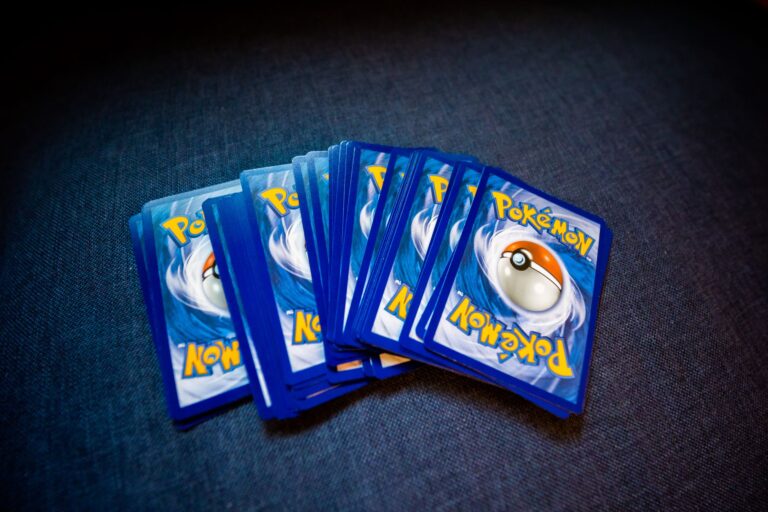
Yes, Pokemon card collectors are submitting significantly more cards for professional grading than ever before. The trend accelerated dramatically starting in 2020, with services like PSA, BGS, and CGC reporting submission volumes that have quadrupled or exceeded in some cases compared to pre-pandemic levels. A vintage 1999 Charizard that once took weeks to grade now faces a backlog measured in months, and many newer bulk submissions sit in queues for six months to over a year depending on the service and turnaround tier selected. This article explores why collectors are turning to grading in unprecedented numbers, what’s driving the surge, how it’s affecting the hobby’s infrastructure, and what collectors should understand about the implications of this shift.
The reasons behind the increase are multifaceted. The pandemic brought new collectors into the hobby while simultaneously making it clear that rare cards represent real financial assets worth protecting. Social media platforms like TikTok and YouTube amplified the appeal of unboxing and grading through viral content, creating FOMO among both young collectors and speculators entering the market. Additionally, the certification itself has become almost mandatory for high-value cards in the secondary market—ungraded cards of the same print line and condition often sell for 30-50% less than graded examples, making the grading fee economically rational for cards valued above a few hundred dollars.
Table of Contents
- Why Are More Collectors Submitting Cards to Professional Graders?
- The Impact of Submission Volume on Grading Services and Wait Times
- How Grading Tier Selection Affects Your Collecting Timeline
- The Economics of Grading for Different Card Values
- Authenticity Verification and Counterfeit Detection in High-Volume Grading
- The Secondary Market Effect—Graded Card Saturation
- The Future of Grading—Sustainability and Industry Evolution
- Conclusion
Why Are More Collectors Submitting Cards to Professional Graders?
The primary driver is market perception and resale value. A PSA 8 or BGS 9 grade on a card isn’t just a quality assessment—it’s a certificate of authenticity and condition that buyers trust. When a graded Shadowless Charizard sells for $15,000 at auction, an ungraded example in allegedly similar condition struggles to fetch $8,000 because buyers can’t verify condition consistency. For collectible Pokemon cards, the grading slab has become the de facto proof of value, making it almost essential for anyone planning to sell. The second factor is accessibility.
Grading services have expanded their submission options dramatically. PSA now accepts submissions through mail, authorized dealers, and even some retail locations. CGC recently entered the market aggressively, creating competitive pricing and faster turnarounds in some tiers. Newer collectors who might have been intimidated by the process ten years ago can now simply mail in cards with a check or credit card payment. This removal of friction has opened the floodgates, particularly for intermediate collectors moving from casual collecting to investment-minded collecting.

The Impact of Submission Volume on Grading Services and Wait Times
The explosion in submissions has created a backlog crisis that fundamentally changed how graders operate. PSA, which historically offered standard turnarounds of 10-15 business days, now has standard tiers ranging from 20 business days to 120+ days depending on submission volume. The company charges premium pricing for faster turnarounds: a standard submission might cost $10 per card, but a 10-business-day express tier can cost $100 or more. this creates a tiered system where wealthy collectors and dealers paying for expedited service get their cards back within weeks while regular collectors wait months.
However, the rush to grade everything has created quality concerns. With thousands of cards flowing through facilities daily, some collectors report inconsistent grading standards and what they perceive as overgrading or undergrading compared to historical standards. A vintage card that grades PSA 7 in 2024 might have graded PSA 6 in 2015 under the same standards, yet the slab displays the newer grade. This subjectivity becomes problematic when the difference between a PSA 7 and PSA 8 represents hundreds or thousands of dollars in card value. Some veteran collectors have started sending the same cards to multiple graders to compare standards, finding significant discrepancies between services.
How Grading Tier Selection Affects Your Collecting Timeline
Understanding the relationship between price and wait time is crucial for collectors planning their sales or collection builds. Standard submissions to PSA might cost $10-20 per card but come with 60-120 day waits during peak submission periods. Express tiers at $50-100 per card reduce that to 10-30 days. Bulk submissions of 50+ cards may receive modest discounts but go to the back of standard queues.
A collector who needs quick turnarounds for cards they intend to sell immediately faces significant costs per card, while patient collectors building long-term collections can use standard tiers and wait extended periods. Different grading services offer different value propositions based on your timeline. BGS, historically considered the premium service for vintage cards, has extended its wait times as competitors entered the market, but maintains a reputation for stricter grading, meaning a BGS 8 typically commands a premium over a PSA 8 of the same card. CGC offers competitive pricing and has been faster on some categories, making it attractive for newer collectors less concerned with legacy slab prestige. A collector rushing to list a card for sale might pay 5-10x the per-card grading cost to get cards back within two weeks rather than waiting four months.

The Economics of Grading for Different Card Values
For cards worth under $50, professional grading rarely makes financial sense. A PSA 10 graded card worth $40 has just cost $20+ to grade and slab, potentially doubling the cost basis for minimal value increase. The threshold where grading becomes economically rational typically sits around $200-300 in card value. A card worth $300 ungraded might be worth $450 graded and slabbed, justifying a $75 grading fee.
However, this calculation assumes the card will actually grade within the expected range. This creates a “grading risk” that many newer collectors don’t fully appreciate. Sending in a card you estimate to be PSA 8 condition carries the risk that the service grades it PSA 7 or lower due to condition issues you didn’t notice (wear, printing defects, centering problems visible under grader magnification). A $500 card grading PSA 7 instead of PSA 8 might lose $200-300 in value, wiping out your grading investment and actually decreasing the card’s net worth. Experienced collectors manage this risk by submitting cards they’re confident will grade within their target range, while newer collectors often submit speculatively and encounter disappointing results.
Authenticity Verification and Counterfeit Detection in High-Volume Grading
One overlooked aspect of the grading surge is how increased volume affects authenticity verification. Counterfeit Pokemon cards, particularly of high-value vintage cards like Base Set Charizards and Shadowless holos, have become increasingly sophisticated. Professional graders employ microscopy, weight analysis, and ink composition testing to identify fakes, but these techniques require time and expertise. When a single grader processes 200+ cards per day during peak periods, the risk of a counterfeit slipping through increases.
Some collectors report that certain grading services seem to flag fewer counterfeits as submission volume climbed, though this is difficult to verify without industry transparency on rejection rates. The counterfeiting problem is particularly acute for high-value cards where the grading fee becomes trivial compared to the card’s value. A $20,000 Shadowless Charizard might be graded by PSA at $100-200 depending on turnaround tier, making that expense insignificant if the grade is legitimate. However, if a sophisticated counterfeit receives a high grade and enters the secondary market with an authoritative slab, it can damage buyer confidence in the grading service itself. Some veteran collectors have begun requesting detailed photographs and specific visual explanations from graders for high-value submissions, adding another layer of time cost to the grading process.

The Secondary Market Effect—Graded Card Saturation
As more cards enter grading, the secondary market is becoming saturated with slabbed products. Five years ago, a PSA 8 Base Set Blastoise was a relatively rare offering. Today, dozens of examples with similar or identical grades are available for sale at any given time across eBay, PWCC Marketplace, and other platforms. This saturation has compressed the premium that graded cards command over ungraded examples.
The 50% price difference between graded and ungraded that existed in 2019-2021 has narrowed to 20-30% in some categories as supply of graded cards increased. This creates a buyer’s market for collectors purchasing graded cards but a tighter margin for collectors submitting cards hoping to realize grading profits. A collector who graded fifty bulk commons expecting to flip them for 25% premiums now faces competition from thousands of other graded commons at similar prices, with actual sales moving slowly. The low-value volume grading strategy that worked in 2020-2021 largely fails today because the market is oversaturated with similar products. Strategic collectors now focus grading efforts on scarce cards with limited existing supply rather than common high-print-run cards.
The Future of Grading—Sustainability and Industry Evolution
The explosive growth in grading submissions has prompted industry questions about long-term sustainability. Current capacity constraints suggest that either wait times will continue extending indefinitely, prices will increase further to ration demand, or new competitors will enter aggressively to capture market share. Some collectors speculate that grading prices could double within five years if demand continues, making it economically rational only for cards worth $500+. Others predict that rapid competition and automation might improve efficiency and bring wait times back to historical norms.
The Pokemon Company’s own brand considerations also matter. As grading becomes more central to the hobby’s economic structure, the company faces incentives to either directly enter the grading market itself or establish official certification standards. Several other collectible niches have seen first-party grading eventually dominate. For Pokemon, an official or endorsed grading program could disrupt the independent services, though the existing infrastructure and brand prestige of PSA makes displacement unlikely in the near term. Collectors entering the hobby today should expect that professional grading will remain standard practice and pricing structure for the foreseeable future.
Conclusion
The surge in professional card grading reflects fundamental shifts in how Pokemon cards are valued, bought, and sold. What was once a service primarily used by serious collectors building personal collections has become a market requirement for any card with significant financial value. The economic rationale is sound—certification and condition verification matter—but the infrastructure strain and market saturation effects mean that grading is no longer an automatic value-add for every card.
Moving forward, collectors should grade strategically rather than speculatively. Submit only cards with realistic prospects of exceeding the grading cost threshold, plan for extended wait times or accept premium pricing for faster turnarounds, and understand that grading reduces your risk as a seller while increasing your cost and timeline as a submitter. The trend toward widespread professional grading isn’t reversing, but smarter collectors recognize that not every card deserves a slab and that market conditions have shifted significantly since the early pandemic grading boom.