
While collectors and investors flock to the latest Pokemon set releases, hoping to pull chase cards or invest in new product lines, a quieter but equally important movement is happening in the secondary market. Smart collectors are systematically buying vintage and classic Pokemon cards—first editions, shadowless cards, and key prints from the early 2000s—cards that have already proven their worth as both collectibles and investments. The difference is significant: a PSA 10 Shadowless Charizard can command six figures, while a fresh booster box of a current modern set often depreciates the moment it hits the shelf.
The trend reflects a fundamental shift in how serious collectors approach Pokemon cards. Instead of chasing the dopamine hit of opening modern packs or hunting for Alternate Art variants, experienced buyers are focused on scarcity, historical significance, and cards with established track records. A near-mint copy of a first edition Base Set Blastoise, for example, has appreciated consistently over the past five years, whereas many modern chase cards have stagnated or declined in value once their initial hype fades.
Table of Contents
- WHY ARE COLLECTORS SHIFTING AWAY FROM MODERN SETS?
- THE HIDDEN APPEAL OF VINTAGE AND CLASSIC SETS
- WHICH SPECIFIC CARDS ARE COLLECTORS TARGETING?
- THE INVESTMENT CASE FOR VINTAGE VS. THE MODERN ALTERNATIVE
- GRADING INFLATION AND THE RISK OF CONDITION DOWNGRADES
- THE ROLE OF CONDITION AND RARITY COMBINATIONS
- THE FUTURE OF VINTAGE COLLECTING IN A MODERN TCG LANDSCAPE
- Conclusion
- Frequently Asked Questions
WHY ARE COLLECTORS SHIFTING AWAY FROM MODERN SETS?
Modern Pokemon sets, despite their popularity, carry inherent risks that serious collectors have learned to recognize. print runs for contemporary sets are enormous—companies intentionally produce far more product to meet demand and maximize short-term revenue. A sealed booster box from a recent set might contain thousands of identical copies worldwide, which means even the rarest pulls from that set could theoretically be pulled by thousands of other collectors. Compare this to a First Edition Base Set Charizard, of which only a finite number were ever produced, and the math becomes clear: scarcity drives long-term value.
The secondary market data tells the story. Modern set chase cards frequently see price crashes within 12 to 18 months as the initial excitement fades and new sets push out the old. Take the Evolving Skies Alternate Art Umbreon VMAX as an example—it was one of the most hyped pulls when the set released, but graded copies now trade for a fraction of their peak value. Meanwhile, a Shadowless Machamp from 1999 has never depreciated in any meaningful way; it only becomes harder to find in higher grades.
THE HIDDEN APPEAL OF VINTAGE AND CLASSIC SETS
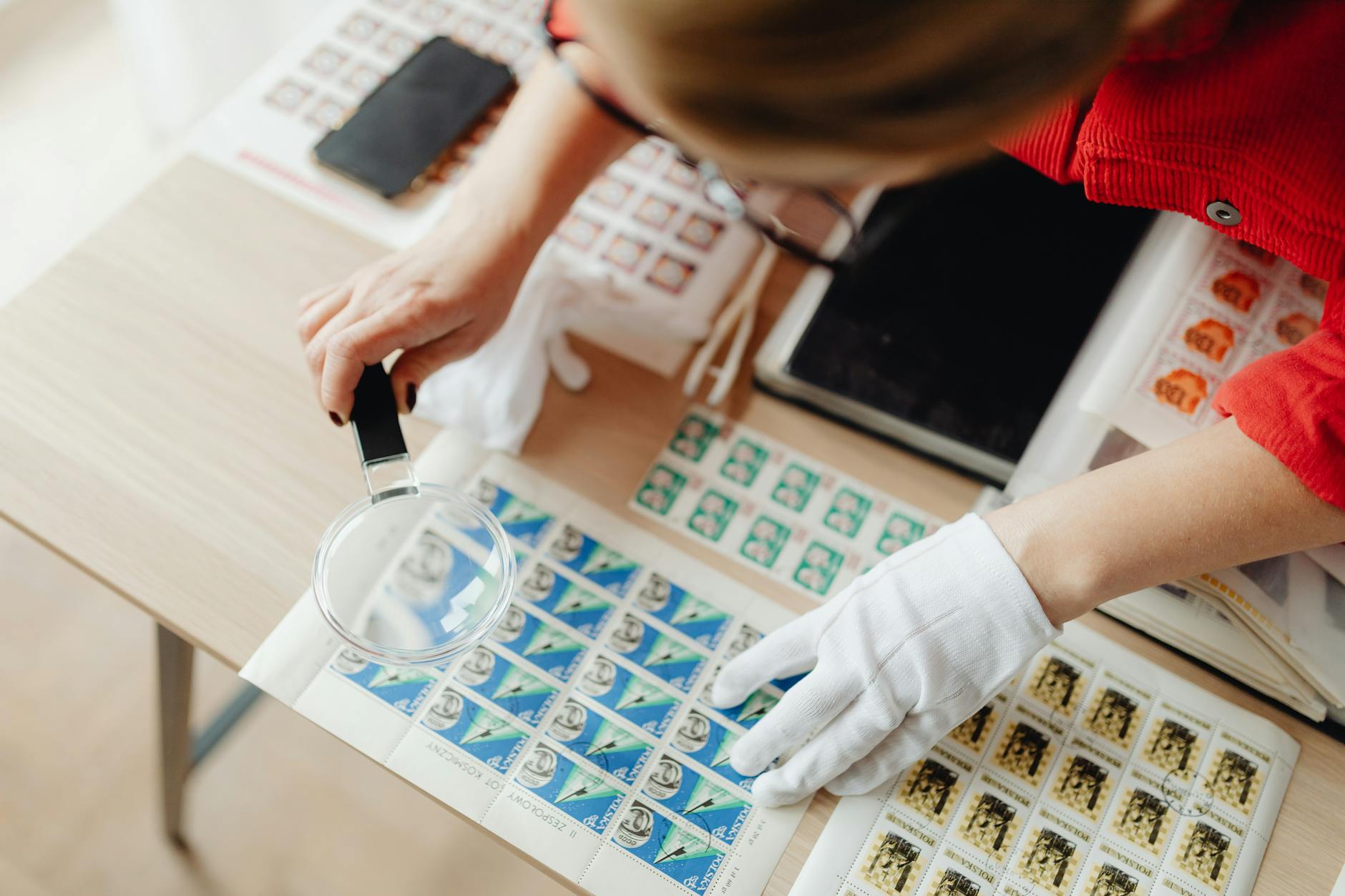
vintage cards offer something that modern Pokemon cards struggle to match: authentication and grading history. A card graded psa 8 in 1999 has a public record of its condition and authenticity, a form of provenance that newer cards cannot replicate. Collectors who buy vintage cards are investing not just in cardboard, but in certifiable rarity and the gatekeeping that professional grading services provide. However, entering the vintage market requires knowledge and caution. Counterfeit old cards do exist, particularly shadowless Base Set cards, which have commanded high enough prices to attract forgers.
A buyer overpaying for a fake Pikachu could lose thousands of dollars, which is why authentication through services like PSA, CGC, or BGS becomes essential. Additionally, vintage cards often come with storage challenges—older sleeves and binders can damage cards, and temperature fluctuations have taken their toll on collections that weren’t properly preserved. The price volatility in vintage markets is also worth considering. While classic cards appreciate on average, short-term market conditions, changes in collector sentiment, and the sudden emergence of large collections can create temporary downturns. A collector who paid $5,000 for a PSA 8 Base Set Blastoise might see it dip to $4,200 if a similar copy sells slightly lower, a fluctuation that modern set buyers typically experience at a smaller scale but with steeper percentage drops.
WHICH SPECIFIC CARDS ARE COLLECTORS TARGETING?
First Edition and Shadowless cards dominate the vintage buying spree, with particular focus on the Original 151 pokémon. A PSA 9 or better first edition Charizard remains the crown jewel, but collectors are also quietly accumulating first edition Blastoise, Venusaur, and the holographic Dragonite—cards that were expensive enough in the 1999-2000 era to keep many kids from opening them, creating a scarcity of high-grade copies today. Beyond the obvious chase cards, savvy collectors are buying underrated gems that have proven staying power. Prerelease cards, promotional stamped cards, and misprints have all gained traction as collectors recognize their scarcity and the niche appeal that drives their markets.
A Prerelease Raichu from the 2000 World Pokémon Championships, for instance, has appreciated at a rate that rivals much more famous cards, simply because fewer people were aware of its existence or value trajectory. The key cards from the parody set, the rarely-seen Japanese promotional releases, and early international printings are also climbing in value. A Japanese base set Venusaur in high grade can trade for significant sums, particularly because Western collectors often overlooked Japanese product when those cards were released. The informed collector recognizes that the barrier to entry on a Japanese PSA 8 Blastoise might be lower than an English first edition, but the scarcity relative to Western variants makes it an increasingly sound investment.

THE INVESTMENT CASE FOR VINTAGE VS. THE MODERN ALTERNATIVE
From a pure financial perspective, investing in vintage cards offers historical performance data that modern investments simply cannot match. Cards that were worth $100 in 2015 might be worth $1,200 today—a 12-year appreciation rate that stock markets would celebrate. A collector who bought a PSA 8 Base Set Holo Charizard for $3,000 in 2012 could sell it today for $35,000 or more, a return that dwarfs almost any alternative investment and substantially outpaces inflation. Modern set investing, by contrast, operates more like a lottery with negative expected value. The odds of pulling a card that maintains or appreciates in value are relatively low, and for most buyers, the cost of sealed product far exceeds what they’ll recover on the secondary market.
A collector might spend $4,000 on sealed Evolving Skies booster boxes expecting to pull valuable cards, only to find that the cumulative value of those pulls totals $2,500—a loss that vintage buyers rarely experience. The tradeoff, of course, is accessibility and liquidity. A vintage PSA 10 Shadowless Charizard can take months to find a buyer willing to pay the asking price, and the transaction might require specialist dealers or auction houses that take their cut. A modern set card, even a mediocre one, can be sold quickly on TCGPlayer or eBay for whatever the market currently values it at. The vintage market also requires patience and knowledge to execute successfully, whereas opening packs offers immediate gratification.
GRADING INFLATION AND THE RISK OF CONDITION DOWNGRADES
One challenge that vintage card buyers face is the evolution of grading standards over time. PSA has made documented adjustments to how it grades cards, and older encapsulated cards sometimes receive different treatment if resubmitted. A card that earned a PSA 8 in 2015 might be deemed a 7 or 6.5 under current standards, a downgrade that could slash its value by 30% or more. Collectors holding vintage cards in old slab holders carry this risk, and it’s a significant reason why some dealers advocate for regrading valuable cards under current standards.
Additionally, the vintage market can experience sudden shifts based on new discoveries or supply changes. When a large collection surfaces on the market, prices for those cards can dip temporarily. A collector might hold a PSA 8 Blastoise expecting it to appreciate further, only to see it decline by 15% when three similar copies sell in quick succession. Market manipulation, while less common than in the modern set space, can still affect vintage pricing, particularly in lower-tier cards where fewer sales create wider bid-ask spreads.

THE ROLE OF CONDITION AND RARITY COMBINATIONS
The combination of condition and rarity creates a multiplicative effect on value. A PSA 10 first edition Machamp is worth exponentially more than a PSA 5 copy, not just proportionally more. The difference between a PSA 8 and a PSA 9 on a Shadowless Blastoise can be $10,000 or more, which means that condition is arguably more important than the card itself.
This dynamic incentivizes collectors to hold cards in meticulous condition, but it also means that storage, handling, and environmental control become critical components of the investment. Collectors pursuing this angle often buy lower-grade versions of vintage cards to build their collections while keeping their capital allocation manageable. A PSA 6 or 7 first edition Charizard costs a fraction of a PSA 9, yet it still offers the scarcity and long-term appreciation potential that modern cards lack. As condition gets harder to achieve with age, even moderately graded vintage cards have become increasingly attractive to buyers who understand the scarcity curve.
THE FUTURE OF VINTAGE COLLECTING IN A MODERN TCG LANDSCAPE
As Pokemon TCG product continues to grow and modern sets accumulate, the relative scarcity of vintage cards will only increase. Cards that are 25 years old have already survived the culling of collections, the wear and tear of play, and the degradation that time inflicts on cardboard. The supply side of vintage Pokemon cards is effectively fixed—you cannot print more first edition Base Set cards.
This fundamental supply constraint suggests that serious collector interest will continue to drive prices upward, assuming the Pokemon brand remains culturally relevant. The next decade will likely see a bifurcation in the market: modern cards will remain a consumer product category, subject to hype cycles and trend-driven pricing, while vintage cards will increasingly resemble collectible assets with more stable, long-term appreciation. New collectors who recognize this distinction early and build vintage collections over time may find themselves holding assets that significantly outpace inflation and alternative investments, provided they exercise discipline and avoid overpaying based on temporary market euphoria.
Conclusion
Collectors who focus on vintage and classic Pokemon cards are playing a fundamentally different game than those chasing modern set releases. While the mainstream Pokemon community watches for new set announcements and chases modern chase cards, smart collectors are systematically accumulating first editions, shadowless cards, and other vintage staples that have demonstrated consistent appreciation and resilience to market cycles. The historical performance data is clear: cards that are already 20+ years old, graded and authenticated, offer a substantially more reliable path to building wealth than modern cards that may depreciate within a year or two.
The shift reflects a maturing collector base that understands the difference between short-term excitement and long-term value creation. Building a vintage collection requires patience, knowledge, and capital discipline, but the rewards—both financial and in terms of owning genuine pieces of Pokemon history—far exceed what most modern collecting strategies can deliver. For collectors willing to buy quality over quantity and to think in terms of decades rather than quarters, the message is clear: the most valuable Pokemon cards are the ones that were already difficult to find yesterday.
Frequently Asked Questions
Are vintage Pokemon cards a good investment compared to modern cards?
Vintage cards have a significantly stronger track record for appreciation. First edition and shadowless cards have appreciated consistently over 10-25 year periods, while modern set chase cards frequently depreciate within 12-18 months. However, vintage cards require more knowledge to buy correctly and may have lower liquidity than modern cards.
What makes a vintage card valuable?
Scarcity, condition, and historical significance determine vintage card value. A first edition Base Set Charizard is valuable because first editions had lower print runs, few survive in high grades, and it’s the most iconic Pokemon card ever made. Condition as graded by PSA or BGS dramatically multiplies value—the difference between a PSA 8 and PSA 9 can represent tens of thousands of dollars.
How do I avoid buying counterfeit vintage Pokemon cards?
Always purchase cards that have been graded and encapsulated by reputable services like PSA, CGC, or BGS. Avoid raw vintage cards unless purchased from highly trusted dealers with guarantees. Use authentication resources to understand the specific characteristics that distinguish real first editions from counterfeits, and verify any major purchase through multiple sources before committing capital.
Can I make money buying modern Pokemon cards?
Most modern card buyers lose money or break even. The secondary market is oversaturated with modern cards, and chase cards appreciate only during initial hype windows before depreciating. Consistently profitable modern card investing requires sophisticated knowledge of set dynamics, strong pull rates, and timing—strategies that work for a small percentage of buyers but not the majority.
What’s the best vintage card to start with as a collector?
Start with cards you can afford in the best grade possible, rather than stretching your budget for lower-grade chase cards. A PSA 6 or 7 first edition Blastoise or Venusaur offers scarcity and long-term appreciation potential at a lower price point than chasing PSA 9-10 Charizards. This approach lets you build a diversified vintage collection while managing risk.
Is PSA grading inflation a concern for vintage card values?
Yes, it is. Grading standards have tightened over time, and cards slabbed in older PSA holders sometimes receive lower grades upon resubmission. Additionally, rapid increases in grading service volume have led to quality control concerns. This creates a timing risk for collectors holding vintage cards in old holders, though the long-term scarcity of the cards themselves mitigates this concern.


