Why Asking Prices Can Make the Pokemon Card Market Look Hotter Than It Is
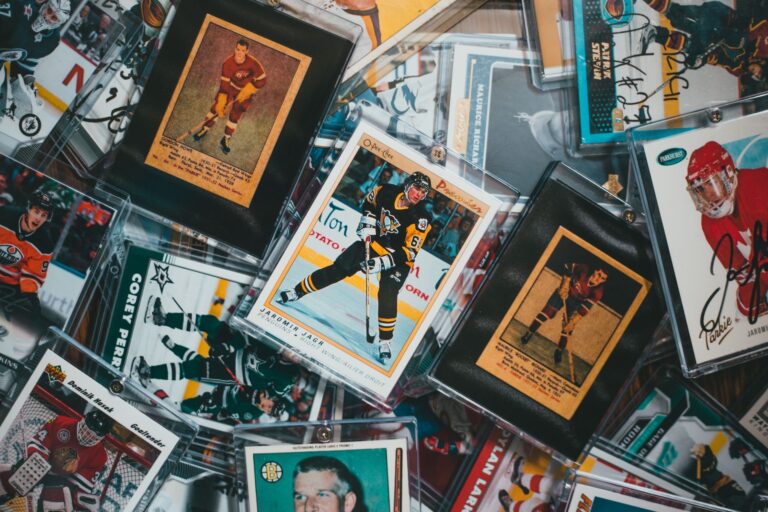
Learn to separate seller expectations from completed sales before buying, listing, or valuing a Pokémon card.
Learn to separate seller expectations from completed sales before buying, listing, or valuing a Pokémon card.
Learn how to test a claimed Pokémon card price floor using sales, volume, condition, scarcity, and supply risk.
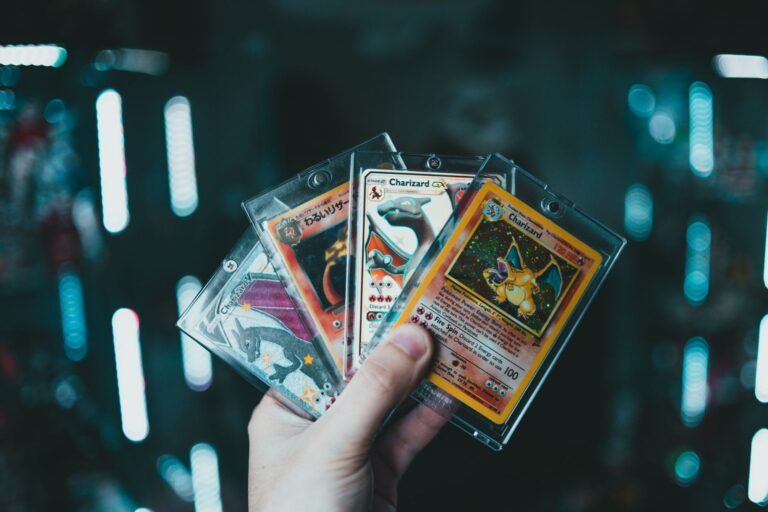
Verify a Pokémon card price retrace using comparable sales, volume, condition, grade, and supply context.

Learn when one low-pop Pokémon card auction is a useful price signal, when it misleads, and how to adjust your next offer.

Learn how grades, bundled extras, buyer concentration, and tiny samples can distort a rare card's apparent price.

A five-part check helps collectors distinguish repeatable market strength from a lone sale or optimistic listing.
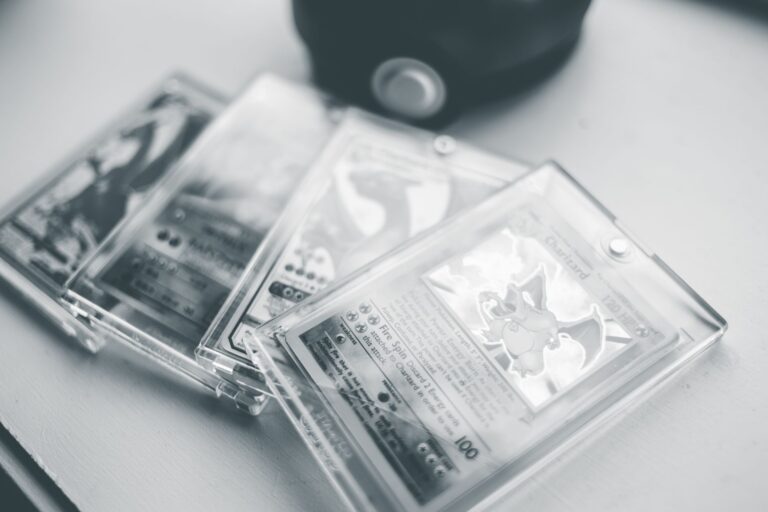
Compare sold-price ranges, trade volume, and supply to separate a durable reset from a temporary pause in selling.

Use seven market signals to separate durable collector demand from fragile price momentum before you buy, hold, or sell.

Learn how scarcity, condition, artwork, supply, and liquidity shape demand for vintage and modern Pokémon cards.
Learn how release timing, graded supply, and thin sales can make Japanese Pokémon cards reprice ahead of English versions.