Collectors Say Some Vintage Pokémon Cards Are Still Cheap

Yes, vintage Pokémon cards are still cheap—if you know where to look. While collectors obsess over million-dollar Pikachu Illustrators and six-figure...
Japanese Pokemon TCG cards and pricing
Yes, vintage Pokémon cards are still cheap—if you know where to look. While collectors obsess over million-dollar Pikachu Illustrators and six-figure...

Pokémon card collectors are increasingly shifting their focus from raw condition grades and rarity metrics to cards with documented historical...
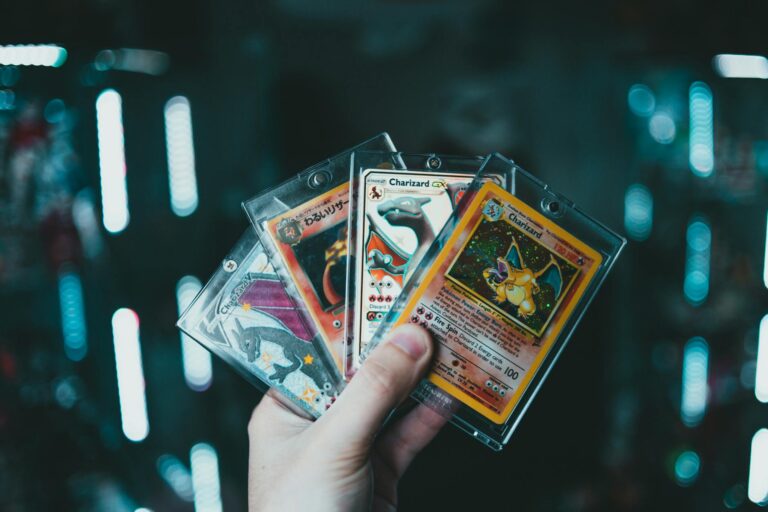
A Pokémon card that appears identical to dozens of others can be worth thousands of dollars—or even millions.

Collectors continue to hunt for underpriced vintage Pokémon cards because significant arbitrage opportunities remain across multiple product categories...
Fourth print Pokémon cards are trending in search results primarily because they represent older, out-of-print inventory that benefits from broader market...
Certain vintage Pokémon cards have experienced extraordinary price appreciation over the past two decades, and the reasons go deeper than nostalgia or...
The 1999-2000 Pokémon cards became a surprise market trend not because collectors suddenly decided to chase nostalgia, but because fundamental market...

A single grade point difference on a Pokémon card can cost you millions of dollars. When a PSA 10 Pikachu Illustrator sold for $16.
Fourth print Pokémon cards have quietly moved from the margins of the collecting world into genuine relevance for serious buyers and hobbyists alike.

Old Pokémon cards are enjoying a renaissance because of a perfect convergence: Pokémon's 30th anniversary milestone on February 27, 2026, a...