
Base Set Pikachu demand in Japan right now is extraordinarily strong, driven by the Pokémon franchise’s 30th anniversary milestone in February 2026 and the emerging dominance of Japanese exclusive cards in the global market. Raw copies of Pikachu ex (132/106) are trading between $180 and $300, while specialized variants like the Pikachu ex SAR from Super Electric Breaker are commanding approximately ¥47,000 (roughly $320), reflecting Japan’s premium positioning in the Pokémon TCG ecosystem. The market intensity reached a historic peak in February 2026 when a PSA 10 Pikachu Illustrator sold for $16.49 million, cementing Pikachu’s role as the centerpiece of contemporary card collecting.
Japanese collectors and international investors are recognizing that Pikachu cards from Japan now carry a consistent 20–40% premium over their English counterparts, a gap that has widened over the past year as global awareness of Japanese exclusives spreads. Event-exclusive Pikachu promos in PSA 10 condition trade at ¥5,480,000, underscoring the stratification within the Pikachu market itself. This isn’t speculative hype; it reflects structural changes in how the global Pokémon TCG community values regional editions.
Table of Contents
- Why Japanese Pikachu Cards Command Premium Pricing
- The Pikachu ex Market Structure and Its Limitations
- The 30th Anniversary Effect on Current Demand
- Japanese Exclusivity Versus Global Distribution Strategy
- Grading Risk and Authentication in the Japanese Market
- The September 2026 30th Celebration Set Impact
- The Broader Market Trajectory for Pikachu Cards
- Conclusion
Why Japanese Pikachu Cards Command Premium Pricing
The 20–40% premium for Japanese Pikachu cards over English versions stems from multiple converging factors: scarcity in global markets, superior print quality control in Japanese production facilities, and cultural preference among Japanese collectors for Japanese-language cards. When you compare a Japanese Pikachu ex SAR at ¥47,000 to equivalent English printings selling for $240–260, the mathematical premium is clear. Japanese promo cards specifically have seen 30–100% increases over the past year, a trajectory driven by limited print runs and growing international demand from Western collectors discovering these alternatives.
The supply-side dynamics matter here. Japan’s domestic market absorbs most Japanese-printed cards locally, meaning exports to Western markets arrive in smaller quantities. This scarcity mechanics principle has worked consistently across collectibles markets for decades. A collector seeking a near-mint Japanese Pikachu ex SAR in 2026 faces genuinely limited options compared to hunting for English versions, and that friction translates into price support.
The Pikachu ex Market Structure and Its Limitations
The Pikachu ex landscape is more fragmented than casual observers realize. The base trading range of $180–$300 for raw copies assumes moderate condition and generic Pikachu ex printings, but this figure obscures significant variation by specific set, edition, and grading level. A unlimited Pikachu ex from Base Set commands different pricing than a first-edition variant, and the gap widens dramatically once you factor in grading. A PSA 8 versus a PSA 9 can represent a $100+ difference in real market transactions.
One critical limitation: the $16.49 million Pikachu Illustrator sale, while historic, reflects the rarest possible Pikachu variant on the planet. Using that sale as a reference point for general Pikachu market health is misleading. The Pikachu Illustrator exists in perhaps a handful of high-grade copies globally; it serves as an aspirational ceiling rather than a realistic price discovery point for typical Pikachu collectors. Most collectors buying Pikachu cards in 2026 operate in the $200–$500 range for quality cards, not millions.
The 30th Anniversary Effect on Current Demand
Pokémon’s 30th anniversary, celebrated in February 2026 (the franchise launched February 27, 1996), created a discrete spike in Pikachu demand that still reverberates through the market in May 2026. Anniversary releases, celebration sets, and special promotional cards all feature Pikachu prominently, naturally concentrating collector attention on this single character. The timing aligned with seasonal TCG enthusiasm, meaning the demand increase wasn’t confined to long-term collectors but included casual and returning players seeking anniversary pieces. This anniversary effect is already baking into current pricing.
When you see Pikachu cards trading at the higher end of their typical ranges, part of that reflects anniversary-driven premium. A more concrete example: Pikachu-focused anniversary promos from official Pokémon Japan events sold out within days in late February and early March 2026, and secondary market copies now trade at 150–200% of original retail. This pattern illustrates how event-driven scarcity mechanisms function in real time. However, anniversary boosts historically fade as the milestone recedes into the calendar, so collectors betting on sustained price appreciation beyond 2026 should remain cautious.

Japanese Exclusivity Versus Global Distribution Strategy
The divide between Japanese exclusives and globally distributed cards represents a structural choice Pokémon made and continues refining. Japanese exclusive Pikachu cards—particularly special arts, secret rares, and promotional variants—don’t appear in English releases, creating a genuine supply constraint rather than an artificial one. Collectors seeking completeness must engage with the Japanese market directly or pay secondary market premiums for imports. This exclusivity strategy benefits Japanese grading and secondary market infrastructure, as TAJ (a Japanese analog to PSA) and local dealers handle the highest-volume trading.
The tradeoff is accessibility. English-language collectors face higher friction acquiring Japanese exclusives, including import costs, currency conversion, and language barriers when navigating Japanese Mercari, Yahoo Auctions, or local card shops. A Pikachu ex SAR at ¥47,000 becomes $320+ once you factor in shipping, insurance, and dealer markup if acquiring via secondary channels rather than direct Japanese retailers. For casual collectors, this friction is prohibitive; for serious investors and completionists, it’s a necessary cost of participation. The global TCG market is forecast to reach USD 90.2 billion by 2034, and Japanese exclusivity is becoming a growth lever for Pokémon’s pricing architecture in high-value segments.
Grading Risk and Authentication in the Japanese Market
Grading standards present a critical risk vector in Japanese Pikachu trading. PSA and BGS are the dominant grading authorities globally, but Japanese sellers sometimes use TAJ or rely on ungraded authenticity assessments that carry different risk profiles. When a PSA 10 event-exclusive Pikachu promo trades at ¥5,480,000, that grade is the entire value proposition. A PSA 8 of the same card might be worth 40–50% less, and an ungraded copy—even if it looks near-mint to the untrained eye—carries liquidation risk because Western buyers typically demand professional grading.
Counterfeit Pikachu cards, particularly high-value promos and special arts, are becoming more sophisticated. Japanese market participants have reported encountering convincing fakes of expensive Pikachu ex and promotional variants in 2025 and 2026. Authentication requires knowledge of printing techniques, paper stock, card stock, and set-specific details. A collector considering a ¥5+ million Pikachu purchase without independent authentication from multiple grading houses is exposing themselves to catastrophic loss. This risk doesn’t eliminate the Japanese Pikachu opportunity, but it demands due diligence that casual market participants often skip.
The September 2026 30th Celebration Set Impact
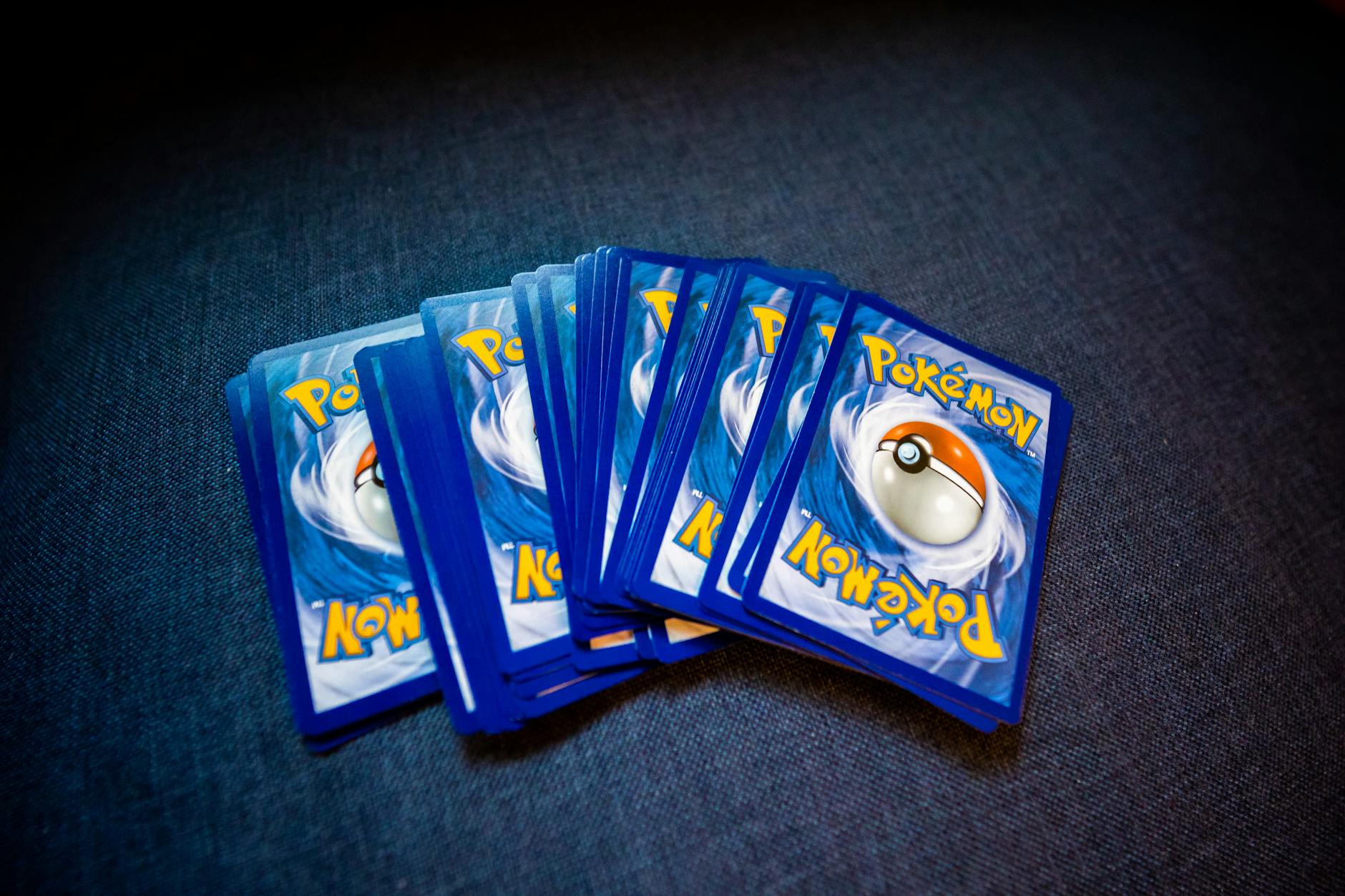
The Pokémon TCG 30th Celebration set, releasing worldwide in September 2026, will feature a new card rarity with Pikachu prominently displayed on the sell sheet. This announcement alone has begun shaping current Pikachu demand, as collectors anticipate new Pikachu variants and potentially record-high production volumes for anniversary-tagged cards. Historically, anniversary sets drive demand spikes in the lead-up to release and often see price corrections post-launch once supply floods the market.
Early precedent: the Pokémon 25th Anniversary celebration set in 2021 saw significant pre-release volatility, with chase cards commanding premium pricing ahead of launch, followed by market stabilization once booster boxes began circulating. Pikachu collectors should expect similar dynamics in August-September 2026. Investing heavily in current Pikachu ex and promo pricing with expectations of continued appreciation into the September 2026 set release carries downside risk if the new 30th Celebration Pikachu variant becomes the market focus and absorbs demand away from pre-existing Pikachu cards.
The Broader Market Trajectory for Pikachu Cards
The Pokémon TCG market structure is evolving in ways that favor established character icons like Pikachu. As the global trading card market expands toward a projected USD 90.2 billion by 2034 (growing at 7.1% CAGR from the 2026 baseline of USD 52.1 billion), Pikachu’s brand recognition and cultural centrality make it a reliable demand anchor.
The character has transcended card collecting into mainstream culture, meaning Pikachu cards function both as collectibles and as quasi-currency within the Pokémon economy. Looking ahead, the combination of 30th anniversary momentum, Japanese exclusivity strategies, and growing global TCG market adoption suggests that base Pikachu demand should remain elevated through 2026 and beyond. However, this doesn’t imply universal price appreciation; specific variants and grading levels will fragment, with event-exclusive promos and Japanese-first releases continuing to command premiums while more common Pikachu printings potentially see softening as supply increases.
Conclusion
Base Set Pikachu demand in Japan in 2026 is at historically strong levels, supported by the 30th anniversary milestone, the documented 20–40% premium for Japanese cards, and record-setting sales like the $16.49 million Pikachu Illustrator. Raw trading ranges of $180–$300 for standard Pikachu ex reflect market equilibrium, while specialized variants like the Pikachu ex SAR trade at ¥47,000 and event promos reach ¥5.48 million for top grades.
Collectors and investors should recognize that this strength is partly circumstantial—tied to anniversary timing and FOMO—while understanding that the structural case for Japanese exclusives remains compelling as global awareness and demand grow. Before entering the market at current price levels, assess your risk tolerance for grading dependencies, authentication challenges in the Japanese supply chain, and the incoming September 2026 30th Celebration set, which could reshape which specific Pikachu variants hold value. This market rewards informed collectors with deep research and patience more than it rewards speculative entrants chasing headlines.
You Might Also Like
- Signs Base Set Full Heal Is Overvalued Right Now
- Base Set Weedle vs Post-WOTC Cards: Which Is the Better Investment
- Will Base Set Weedle Hit a New All-Time High Next Cycle