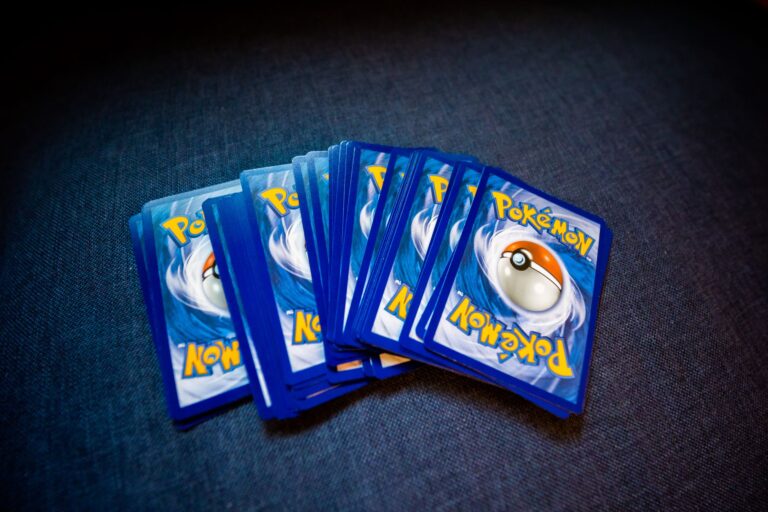
The 2026 Amazon Spring Sale is pushing Pokémon card prices downward, and collectors are watching closely because this represents one of the most significant buying windows of the year. The Perfect Order Booster Display Box has dropped to $219 from a $279 MSRP—a $60 discount—while other sealed products like Paradox Destinies Tins are selling for $37 and Pokémon Day 2026 Collections at $34.87, all substantially below standard pricing. These aren’t minor fluctuations; they’re meaningful discounts that have prompted serious collectors to reassess their purchasing strategies, particularly given the oversupply of modern cards that hit the market in 2025.
The timing matters enormously. Just weeks after Pokémon celebrated its 30th anniversary on February 27, 2026, retailers are clearing inventory through Spring promotions. Collectors are watching because lower prices on sealed products don’t necessarily mean better long-term value—especially when the underlying market dynamics include 10.2 billion cards printed last year, which has already depressed individual card values by 20 to 50 percent. This article examines what’s really happening with spring pricing, which cards are actually dropping, and what collectors should consider before committing capital.
Table of Contents
- What’s Driving The Spring Sale Price Drops?
- How Spring Sale Savings Compare To Market Norms
- Which Pokémon Cards Are Actually Dropping (And Which Aren’t)
- How Collectors Can Take Advantage Of Spring Sales Strategically
- The Risk Collectors Face With Spring Sale Buying
- Vintage Cards Are Moving In The Opposite Direction
- What Comes Next For The Pokémon Card Market?
- Conclusion
What’s Driving The Spring Sale Price Drops?
The spring discounts stem from two converging factors: inventory management and historical market saturation. Retailers typically stage spring sales to move stock before summer, but the 2025 print run created unusual pressure. The market received a flood of modern pokémon cards—10.2 billion printed—which fundamentally shifted supply dynamics. Sealed products that might have commanded premium prices in previous years are now available at discounts because retailers need to rotate inventory.
However, these discounts are not evenly distributed across all products. The Perfect Order Booster Box dropping to $209.95 (already below the amazon spring Sale price) shows how aggressively retailers are pricing modern booster boxes. Meanwhile, premium collections like Cynthia’s Garchomp ex Premium Collection at $55 represent a different category—these bundles include promo cards and special packaging that add perceived value. The key limitation here is that discounting sealed products doesn’t automatically create long-term value if the underlying cards will continue depreciating as the oversupply reality settles into the market.

How Spring Sale Savings Compare To Market Norms
The discounts are genuine, but understanding their magnitude requires context. The Perfect Order Booster Display Box at $219 represents a 21.5 percent savings from the $279 MSRP. The 3 Pack Blister packs at $36.11 each shows smaller percentage discounts but still undercuts typical retail pricing. These are the kinds of reductions that make collectors pay attention, especially those who buy regularly and track price trends across retailers.
The deeper question is whether spring sale pricing represents genuine market adjustment or temporary promotional activity. Comparison pricing across TCGPlayer and the price guide shows that sealed products have gradually normalized lower throughout early 2026 regardless of spring promotions—the sales are accelerating existing trends rather than creating entirely new conditions. For sealed product collectors, the spring window is valuable because it concentrates discounts across multiple categories simultaneously. But if you’re holding modern cards hoping to sell at previous year’s prices, the spring sales reveal an uncomfortable truth: modern singles have lost 20 to 50 percent of their value, and the market isn’t likely to recover those prices while supply remains this elevated.
Which Pokémon Cards Are Actually Dropping (And Which Aren’t)
This is where collectors need precise thinking. Sealed modern products—booster boxes, blister packs, premium collections—are all discounted and dropping. Individual modern singles like Meowth ex ($150.87) and Mega Zygarde ex ($149.20) reflect the broader 20-50 percent depreciation hitting modern cards. The market is speaking clearly: newer cards are oversupplied. But the picture inverts completely when you look at older cards.
Vintage WOTC cards are showing 30 to 50 percent price increases heading into 2026, moving in the exact opposite direction as modern stock. Similarly, Gengar cards across multiple sets and eras are climbing consistently in value. Japanese exclusive promotional cards have maintained a sustained upward trajectory over the past two years. High-value individual cards like Team Rocket’s Mewtwo ex at $376+ or Cynthia’s Garchomp ex at $237+ are expensive for reasons separate from supply—they’re rare, iconic, and their value derives from scarcity rather than market saturation. The limitation for most collectors is that vintage and premium modern singles require significantly larger capital investments than the spring sale sealed products being discounted, creating a bifurcated market where some card categories are cheap and others remain as expensive as ever.

How Collectors Can Take Advantage Of Spring Sales Strategically
The rational approach depends on your collection goals. If you’re building a sealed product portfolio or want to crack booster boxes for singles at lower cost, the spring sale window is genuinely valuable—buying at $219 instead of $279 on the Perfect Order box, or accumulating Paradox Destinies Tins at $37, gives you better unit economics. These are educational purchases if you want to understand what modern print runs contain, or investment purchases if you believe vintage booster boxes will appreciate long-term once print volume normalizes.
However, if your goal is to buy individual modern singles, the spring sales reveal an uncomfortable tradeoff: yes, you can get Meowth ex or Mega Zygarde ex into your collection, but their prices reflect ongoing market weakness. The strategic advantage lies in recognizing that sealed products are on sale, modern singles are fundamentally cheaper due to supply, and vintage cards are actually appreciating. A collector with $2,000 to deploy might split between sealed modern products (taking advantage of spring discounts), modern singles in cards they actually want to keep long-term (accepting current market prices), and one or two vintage WOTC cards or Japanese promotional exclusives that show positive price momentum. The spring sale doesn’t change the underlying value dynamics—it just concentrates the buying opportunity into a specific window.
The Risk Collectors Face With Spring Sale Buying
The primary risk is mistaking a discount for value. A $60 savings on the Perfect Order box seems attractive, but if you’re buying with the assumption that modern booster boxes will appreciate in value, you’re betting against 10.2 billion cards already in the market and ongoing pressure from new print runs. The 151 Booster Bundle showed 195 percent year-over-year growth and frequent sellouts, which might seem bullish—but that’s demand for a specific bundle at a specific promo level, not validation that all modern booster products will hold or gain value. The warning here is clear: don’t confuse high trading volume with appreciation potential.
A secondary risk is timing. Collectors are watching closely partly because they’re uncertain whether spring prices represent the floor or whether further reductions are coming. If sealed products continue to discount through summer, you’ll regret buying heavily in March. There’s also the storage and logistics problem—booster boxes take physical space, and storing dozens of sealed products waiting for future appreciation creates carrying costs and opportunity costs (capital tied up). The spring sales make buying feel urgent, but the underlying supply dynamics suggest patience may be rewarded with even better pricing in the coming months.

Vintage Cards Are Moving In The Opposite Direction
While modern cards are under pressure, the market is simultaneously pushing vintage WOTC cards higher, with 30 to 50 percent price increases already occurring heading into 2026. This creates an interesting dynamic for collectors allocating capital during spring sales. A collector with $500 might spend it all on modern sealed products at spring discounts, or spend that same $500 on a single vintage WOTC card that’s appreciating. The vintage option requires research and carries execution risk—you need to identify specific cards with genuine scarcity rather than just “old cards”—but the directional pressure is unmistakable.
Japanese exclusive promotional cards follow a similar pattern, showing sustained upward movement over two years. These cards are appreciated by a smaller collector base, which reduces supply pressure compared to English modern sets. The spring sales are largely irrelevant to these cards—they don’t participate in the Amazon promotional events in the same way. If you have capital to deploy, the contrast is worth noting: spring sales are offering discounts on the category (modern English sealed products) that’s under the most supply pressure, while the categories showing sustained appreciation (vintage WOTC, Japanese promos) remain independently priced and often harder to find.
What Comes Next For The Pokémon Card Market?
The market’s direction hinges on print volume. If The Pokémon Company moderates production in 2026 after the 10.2 billion card year, modern sealed products could eventually stabilize in price. The 195 percent year-over-year growth in the 151 Booster Bundle suggests some bundles command pricing power even in an oversupplied environment, usually due to limited availability windows or special packaging.
Spring sales may actually represent an important inflection point—retailers clearing inventory ahead of a market reset. For collectors, the forward outlook suggests that vintage and Japanese promotional cards will likely continue appreciating, modern sealed products will find a new price floor in the coming months (possibly lower than spring prices), and modern singles will remain under pressure until print volume normalizes. The strategic collector isn’t necessarily buying most heavily during spring sales—they’re using spring sales to load up on sealed modern products they wanted anyway while simultaneously researching vintage WOTC and Japanese cards for longer-term holds. The market is creating clear bifurcation between asset classes, and spring sales are highlighting that divergence rather than resolving it.
Conclusion
The 2026 spring sales are genuinely pushing Pokémon card prices lower, particularly on sealed modern products where discounts like $60 off the Perfect Order box represent meaningful savings. Collectors are watching closely because these discounts create a buying window, but that window reveals deeper market dynamics: modern cards are oversupplied and under price pressure, while vintage and Japanese promotional cards are appreciating. The spring sales aren’t a signal that modern cards will recover—they’re evidence of inventory management in a saturated market. For collectors deciding whether to deploy capital now, the answer depends on your collection goals and time horizon.
Spring sales offer genuine value on sealed modern products if you want them for personal enjoyment or as sealed collection pieces. But they also reveal that the modern card market is fundamentally weaker than in previous years. If you’re allocating capital for appreciation, the spring sales highlight why some collectors are simultaneously taking advantage of modern discounts while quietly acquiring vintage WOTC and Japanese promotional cards that are moving in the opposite price direction. Watch the market carefully over the next few months—these spring sales may be clearing inventory ahead of a broader market normalization.