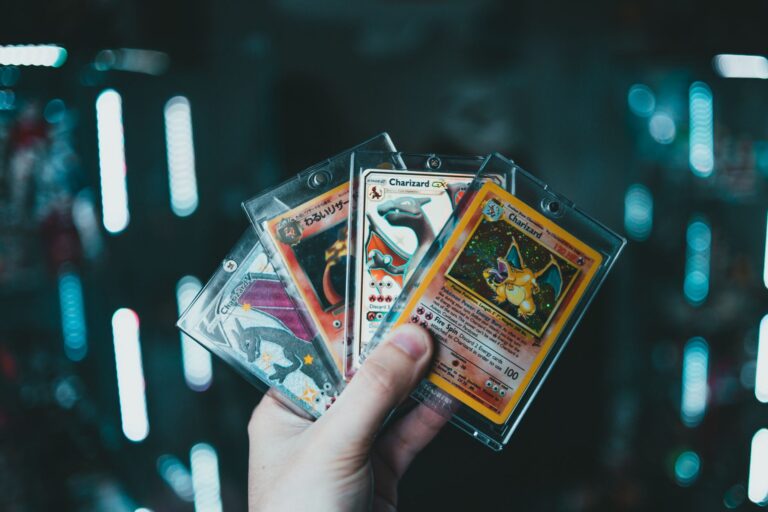
A Pokémon card dealer receipt strengthens slab provenance when it identifies the seller, transaction, card, grader, grade, and certification number. Slab provenance means the documented ownership and transaction history of a graded card in its sealed holder. The certification number is the most important link because card descriptions can apply to many identical copies. A detailed receipt supports that link, but it does not independently prove authenticity, legal ownership, or an uninterrupted history.
Table of Contents
- Receipt details that carry the most weight
- How to connect the receipt to the slab
- Building a usable ownership trail
- What a receipt cannot establish
- Improving weak paperwork
Receipt details that carry the most weight
The receipt should name the dealer and provide a business address, contact details, transaction date, and unique invoice number. It should also identify the buyer, although a later public copy can redact personal information.
The card entry should include: Details such as "Charizard card" or "graded Pokémon card" offer little evidentiary value. "Charizard, Base set 4/102, Unlimited, English, PSA 8, certification number [full number]" ties the transaction to one specific slab.
- Pokémon name
- Set name and card number
- Edition, printing, language, and recognized variant
- Grading company and assigned grade
- Full certification or serial number
How to connect the receipt to the slab
Compare every receipt field with the label inside the holder. The set, card number, language, variant, grade, and certification number should agree without unexplained differences. Then check the certification number through the grading company's official lookup service, when available.
A matching database record supports the label details, but it cannot rule out every counterfeit holder or copied certification number. Clear photographs provide another useful link. Keep images of the slab's front, back, label, certification number, and visible card features alongside the receipt. Distinctive centering, print marks, or minor edge flaws can help distinguish the card from another slab using duplicated label information.
Building a usable ownership trail
One receipt documents one transaction, not the card's entire history. Stronger provenance comes from a sequence of records that consistently identifies the same certification number.
Keep the dealer receipt with related evidence: save original files rather than relying only on screenshots. Preserve unedited photographs, complete invoices, and messages with visible dates. When selling the card, provide redacted copies while retaining the originals in case a buyer or marketplace needs further verification.
- Payment confirmation that matches the date and amount
- Auction or sales listing
- Shipping label and tracking record
- Buyer and seller messages about the specific slab
- Dated photographs taken after delivery
What a receipt cannot establish
A receipt records what a seller represented at the time of sale. It does not guarantee that the slab is genuine, that the dealer had valid title, or that the card remained in the same holder afterward. A high purchase price also does not make provenance stronger.
Specific, internally consistent records matter more than the amount paid or the dealer's reputation alone. Treat unexplained conflicts as warning signs. These include a missing certification number, altered text, a mismatched grade, inconsistent transaction dates, or a receipt created long after the claimed sale. A generic cash receipt with no card-specific information may confirm that money changed hands but not which slab was purchased.
Improving weak paperwork
Ask the dealer for a corrected or supplemental invoice while the transaction is still recent. The document should reference the original invoice number and add the missing certification number or card details without pretending the first receipt contained them. If the dealer cannot revise the receipt, preserve the original and add contemporaneous supporting records.
A payment confirmation, listing, shipping record, and dated slab photographs can collectively make the transaction easier to follow. Do not edit the receipt yourself. Keep any personal inventory note separate and label it clearly as your own record. For future purchases, verify that the certification number appears on the invoice before completing payment or leaving the show.