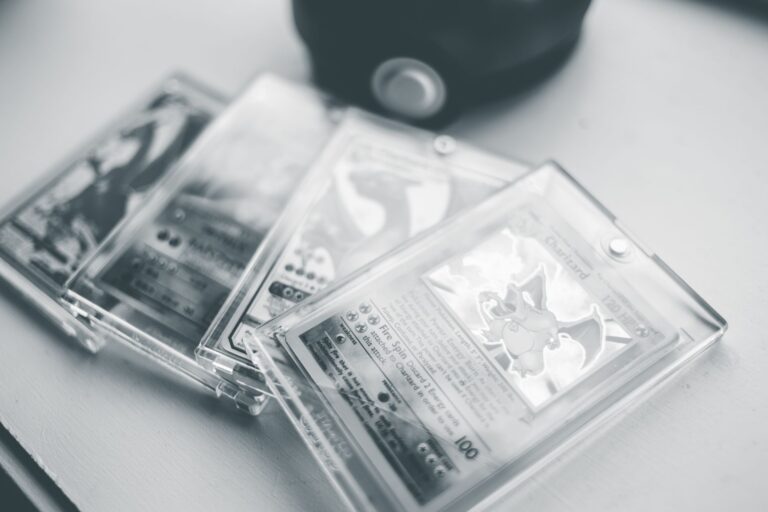
Yes—keep shipping labels for Pokemon slabs, but do not treat them as a complete chain of custody. A chain of custody is the record connecting a specific card or slab to each handoff, from packing through delivery and intake. The strongest file combines the label with an item inventory, photographs, submission paperwork, tracking events, value records, and condition evidence. Together, those records help identify where a loss, substitution, or damage dispute began.
Table of Contents
- What a Shipping Label Proves
- Connect Each Slab to Its Parcel
- Delivery and Intake Are Different Events
- Build a Usable Damage or Loss File
- A Certification Number Is Not Custody History
What a Shipping Label Proves
A shipping label identifies a parcel, not its contents. It can establish when and where a package entered the carrier's system, its destination, and the tracking number used for later scans.
For USPS insurance evidence, the Postal Service's November 2025 Domestic Mail Manual says an online-label record should identify the tracking number, postage, insurance fee, declared value, mailing date, and origin and destination ZIP Codes. Save the original label record rather than relying only on a cropped tracking screenshot. Also retain the mailing receipt, insurance record, and final tracking history under the same transaction or submission ID.
Connect Each Slab to Its Parcel
Create an inventory before sealing the box. For each slab, record the card name, set, card number, grading company, grade, and certification number. Photograph the slab's front, back, label, and any existing holder damage. The inventory must connect to the package. Put the submission or transaction ID on the inventory, shipping record, and package photographs.
A shared identifier makes it easier to show that the item list and carrier record belong together. PSA's 2025 submission guide tells online submitters to print confirmation pages and a Submission ID label, place two confirmation pages with the cards, and retain another confirmation page. PSA also requires cards to follow the submission-form sequence. Preserve that sequence in your photographs and personal copy. A compact shipment file should contain:.
- The item inventory and certification numbers
- Clear pre-shipment photographs
- The submission confirmation or sales invoice
- The label, receipt, insurance record, and tracking history
- Emails or status pages documenting receipt and intake
Delivery and Intake Are Different Events
A carrier's delivery scan confirms that a parcel reached an address. It does not establish that staff opened the box, matched every slab to the paperwork, or accepted the items into an internal system. PSA makes this distinction explicit in its submission-status FAQ. "Order Arrived" means PSA received the package, while "Order Prep" means it scanned the submission barcode.
PSA says it assumes no liability until Order Prep. Save both events when they appear, including their dates. If a package shows delivery but no intake, those records isolate the gap between carrier custody and the grader's item-level processing. For a private sale, build a similar sequence: seller inventory, packing photographs, carrier acceptance, delivery confirmation, and buyer inspection. An unboxing video may add context, but it should supplement—not replace—clear item and shipping records.
Build a Usable Damage or Loss File
Insurance does not make documentation optional. USPS says a domestic insurance claim requires proof of value and proof of insurance; damage cases may also require photographs and retention of the item and original packaging, according to Domestic Claims—The Basics. Keep available value records such as the purchase invoice, auction receipt, or dated sales documentation.
Store them with the label and insurance record so the declared amount is not your only evidence. If an insured USPS parcel arrives damaged: USPS warns that failure to retain damaged contents and the original mailing container for a requested inspection results in claim denial. Do not discard crushed boxes, torn padding, or broken holder pieces while the claim remains open.
- Photograph every side before opening it further
- Photograph the inner packing, slab, and visible damage
- Keep the mailing container, packing materials, and contents
- Do not reship the damaged parcel
- Preserve claim messages and inspection requests
A Certification Number Is Not Custody History
A slab's certification number is an item identifier, not a complete possession record. A matching certification lookup can connect the holder to a grading record, but it cannot show who packed, shipped, received, or handled that slab afterward.
Retain the seller's listing, invoice, payment record, certification number, and shipment evidence when buying a slab. On arrival, compare the card, holder label, certification number, and visible features with the pre-shipment images before removing or discarding any packaging. If the certification number matches but the card or holder differs from the earlier photographs, document the discrepancy before repacking or transferring the slab.