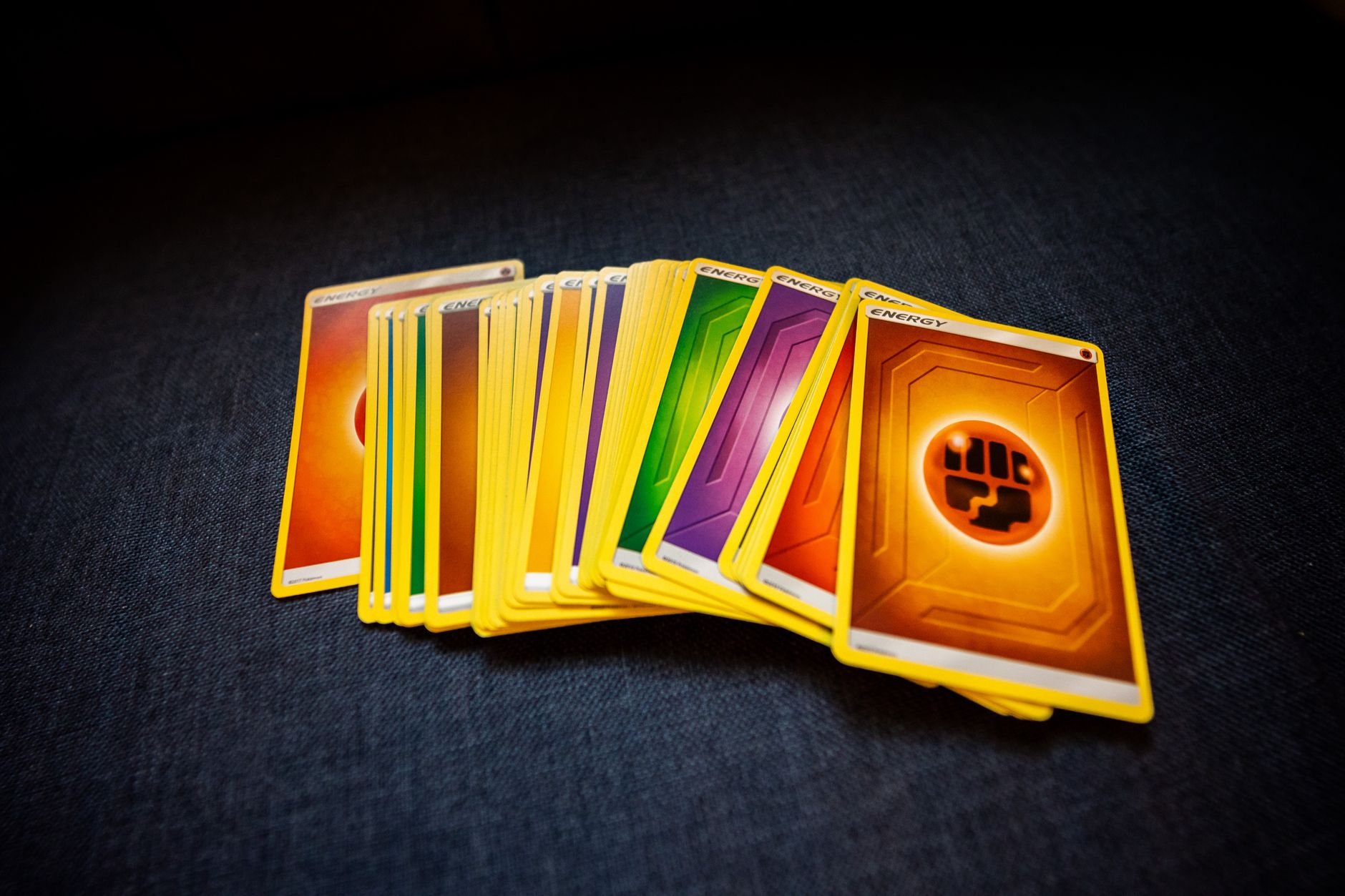
Mint rare Japanese Pokemon Zeraora V, VMAX, and VSTAR holographic trading cards are among the most actively tracked collectibles in the Japanese Pokemon card market. These cards represent the mid-to-high tier of the modern Pokemon TCG landscape, with specific variants commanding prices that range dramatically depending on card condition, artwork type, and rarity designation. A Zeraora VMAX from the Crown Zenith set in holofoil condition, for example, currently trades around $3.28 on the secondary market, though this relatively modest price point masks the significant variation that exists across different printings and special editions of the same card.
The appeal of Japanese Zeraora cards stems from their technical power level and distinctive artwork options. Unlike their English-language counterparts, Japanese cards benefit from earlier release dates, often featuring exclusive alternate art variants that never reach Western markets. The Zeraora V card alone has been printed across at least six different sets, each version carrying its own distinct value proposition and collector appeal. For serious collectors pursuing mint condition specimens, understanding the pricing factors and market trends becomes essential to making informed purchasing decisions.
Table of Contents
- What Are Zeraora V, VMAX, and VSTAR Card Variants?
- Current Market Pricing and Trends
- Card Condition and Grading Impact on Value
- Collecting Strategy and Market Positioning
- Market Risks and Variant Confusion
- Japanese Market Specifics and Availability
- Specific Card Numbers and VSTAR Universe Tracking
What Are Zeraora V, VMAX, and VSTAR Card Variants?
Zeraora’s evolution across the VMAX and VSTAR formats reflects the structure of modern pokemon card design. The VMAX cards represent the first stage of evolution, offering higher HP and more powerful attacks than their V-stage predecessors. VSTAR cards arrived later as an alternative evolution path, creating branching collecting patterns where Zeraora V cards can evolve into either VMAX or VSTAR depending on the specific card variant and set. This dual-evolution design means that a collector seeking a complete Zeraora collection must track multiple distinct evolutionary chains rather than a single linear progression.
The variant types available within these card categories create substantial price differentiation. Standard holofoil versions represent the baseline, but special art variants, full art cards, and secret rare printings command significant premiums over regular holofoils. Some Zeraora cards span price ranges from as low as $1.11 for common variants to as high as $999.00 for particularly rare or graded examples, illustrating how variant designation directly impacts market value. The Zeraora VSTAR and VMAX High-Class Deck available in the japanese market bundles multiple cards together, offering collectors an alternative to purchasing individual cards at secondary market rates.
Current Market Pricing and Trends
The Zeraora VMAX from Crown Zenith set (card number 54/159) in holofoil condition currently trades at $3.28 based on market data verified as of July 5, 2026. However, this single price point tells only a partial story. Holofoil variants of Zeraora VMAX cards collectively show a price range spanning from $1.11 at the lower end to $999.00 at the premium end, a spread that reflects the impact of condition, specific set origin, and market demand. The $997.89 gap between these extremes demonstrates that collectors must exercise caution when interpreting average prices, as outlier premium graded copies can skew overall market perception.
One significant trend affecting Zeraora VMAX holdings is the 22.3 percent decline since the card’s initial release. This depreciation reflects broader market softening in the Pokemon tcg space after the speculative bubble of 2020-2021, when many modern era cards saw rapid price appreciation followed by substantial corrections. Collectors who purchased Zeraora VMAX near release prices have experienced marked losses, underscoring the risk inherent in modern card speculation. The Japanese market typically stabilizes prices faster than the English market, suggesting that any Zeraora cards currently trading in the $1-5 range may have reached relative equilibrium values unlikely to see dramatic further decline.
Card Condition and Grading Impact on Value
Card condition represents perhaps the most significant pricing variable for Zeraora cards. Two nominally identical Zeraora VMAX holofoils can trade at dramatically different prices depending on whether one is near mint and ungraded while the other carries a professional grading designation. A heavily played copy might trade in the single digits, while the same card graded PSA 9 or 10 can command ten to twenty times that value. Mint condition refers to cards showing virtually no wear—perfectly centered, with no visible surface damage, edge wear, or corner creasing.
The gap between casual collection standards and professional grading standards creates a hidden valuation cliff. A card that appears mint to a casual observer might receive a PSA grade of 8 or 8.5, representing a 20-40 percent price discount compared to a PSA 9 for the same card. This limitation affects buy-sell spreads significantly, as sellers expecting near-mint pricing may face buyer resistance if professional grading reveals minor flaws. collectors should verify condition carefully through detailed photography or in-person inspection before committing to purchase, particularly at price points exceeding $50.
Collecting Strategy and Market Positioning
Determining whether to pursue Zeraora cards as a collecting project requires honest assessment of your risk tolerance and intended purpose. Treating these cards as long-term investments carries meaningful risks given the 22.3 percent decline observed since release. The current $3.28 price on the Crown Zenith holofoil represents stable equilibrium pricing rather than an undervalued opportunity, making this card unsuitable for speculative accumulation. Collectors purchasing for pure enjoyment or to complete a Zeraora character collection should feel comfortable at current prices, but those expecting appreciation should consider alternative allocation strategies.
The presence of Zeraora V cards across six or more different sets creates both opportunity and complexity. Rather than pursuing all variants, focused collectors often target specific aesthetic preferences—pursuing every full art variant, for example, or collecting only secret rare printings. This focused approach prevents the diffusion of resources across dozens of nominally similar cards with minimal differentiation. The Japanese high-class deck bundles provide entry points at lower per-card costs than individual secondary market purchases, though availability remains limited outside Japanese import channels.
Market Risks and Variant Confusion
One persistent challenge in Zeraora card collecting involves distinguishing between the many Zeraora V printings. Since the V card appears in multiple sets, accidental duplicate purchases occur frequently when collectors fail to verify set symbols and collector numbers. Each set version may have slightly different market prices, creating situations where bulk lots contain multiple versions of nominally the same card. Detailed checklist tracking becomes essential for serious Zeraora collectors to prevent purchasing errors.
The rarity level correlation with market value creates a hidden trap for newer collectors. A secret rare variant will always command a premium over a holofoil version of the same card from the same set, but casual visual comparison may not immediately reveal this distinction. Learning the visual hierarchy—identifying secret rare borders, spotting full art layouts, and recognizing special art treatments—requires dedicated study but pays dividends through better purchasing decisions. The wide $1.11-$999 price range for holofoil cards specifically demonstrates that variant type creates the largest price variations beyond simple condition grades.
Japanese Market Specifics and Availability
Japanese Pokemon cards benefit from temporal advantage and exclusive variants unavailable to English-market collectors. Zeraora cards released in Japan often appear in Japanese sets months before English equivalents, and certain special printings never receive English translations. The Zeraora VSTAR and VMAX High-Class Deck represents a Japan-exclusive product structure with no direct English equivalent, bundling cards and accessories at fixed pricing rather than individual secondary market rates.
Import availability varies seasonally, with certain sets becoming difficult to source during high-demand periods. Pricing in the Japanese market typically settles faster than in English markets due to smaller speculative community participation. This stability can benefit collectors seeking cards without extreme fluctuation, though import costs and shipping fees add complexity to acquiring Japanese cards from international sources. The verified pricing data from July 5, 2026 reflects secondary market rates and may not account for active Japanese domestic pricing variations or recent set reprints that could affect availability and pricing trajectories.
Specific Card Numbers and VSTAR Universe Tracking
The Zeraora VMAX card numbered 219 from the VSTAR Universe set represents one of the most actively tracked individual Zeraora cards in the collecting community. This specific card has maintained consistent market presence with regular trading activity, contrasting with more niche variants that trade infrequently. VSTAR Universe as a set received strong collector adoption, positioning its Zeraora variants in higher demand segments compared to some competing sets containing Zeraora cards.
The Crown Zenith printing (54/159) that currently trades at $3.28 offers established liquidity and price stability, making it the default reference point for casual Zeraora collectors evaluating market conditions. Multiple dedicated price tracking platforms monitor Zeraora card values, including Sports Card Investor, Pokemon Wizard, PriceCharting, TCGPlayer, and CardTrader. These sources collectively aggregate transaction data that informs the $3.28 current market price and $1.11-$999 range observations. Collectors seeking current pricing for specific variants should cross-reference multiple platforms to identify genuine price levels versus outlier listings, as individual listings from premium graded copies or extremely low-graded examples can distort single-source price surveys.
- —
You Might Also Like
- Wigglytuff Ex SR Pokemon 151 Japanese Card Value Near Mint
- Where To Buy Premium Condition Pokemon VSTAR Lunatone Holographic Card
- Pokemon 30th Anniversary Trading Cards Get Much Better Visual Treatment