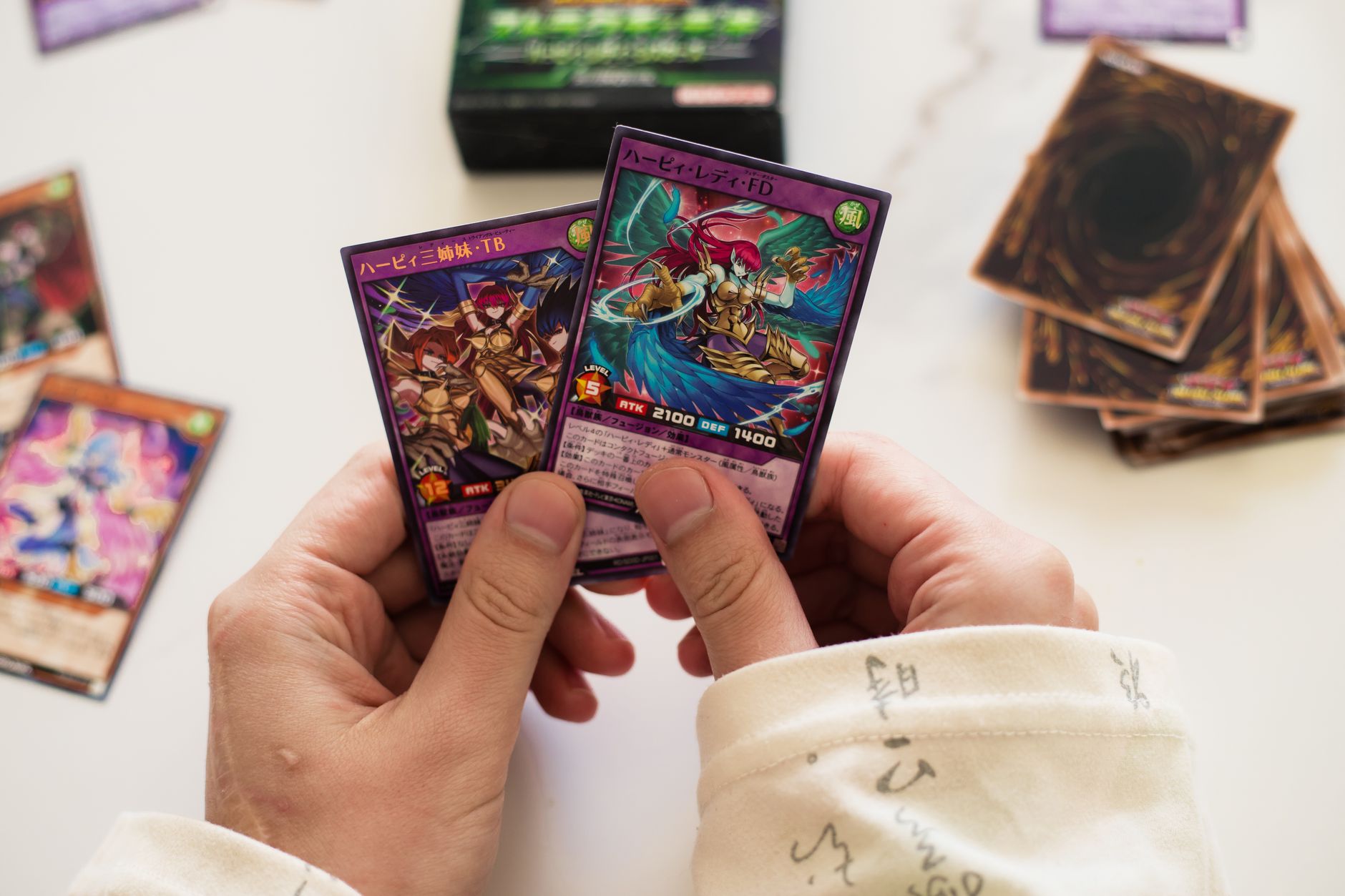
Mewtwo stands as one of the most iconic legendary Pokémon, created through genetic manipulation rather than natural evolution. Catching this artificially-engineered clone requires patience, preparation, and knowledge of where to find it across different games. In most main-series Pokémon titles, Mewtwo appears as a post-game legendary encounter in specific caves or dimensions, demanding players first defeat the main story and gather the right tools before attempting capture.
Mewtwo’s rarity extends beyond mere availability—its psychic dominance and powerful movepool make it a formidable opponent before it becomes a teammate. Players who’ve attempted capturing Mewtwo in Cerulean Cave (in Red/Blue/FireRed versions) or Mt. Moon (in HeartGold/SoulSilver) know that standard Ultra Balls rarely suffice. The encounter requires Ultra Balls, Master Balls, or patience with Status-afflicting moves, since Mewtwo’s high Special Attack stat means it can damage your team faster than most Pokémon.
Table of Contents
- Where Mewtwo Appears Across Different Pokémon Games
- Mewtwo’s Base Stats and What They Mean for Catching
- Mewtwo’s Signature Ability and Movepool
- Optimal Pokémon and Items for the Mewtwo Catch
- Common Mistakes That Lead to Mewtwo Fainting or Escape
- Mewtwo’s Evolution and Competitive Implications
- Post-Capture Training and Practical Use
Where Mewtwo Appears Across Different Pokémon Games
Mewtwo’s location shifts dramatically between game generations, making it essential to know which version you’re playing. In the original Red/Blue and their FireRed/LeafGreen remakes, Mewtwo waits in Cerulean Cave as a post-game encounter after obtaining the National Pokédex. The cave presents a dungeon crawl rather than a simple boss fight, requiring players to navigate through multiple rooms and trainer battles before reaching Mewtwo’s chamber deep inside. Different generations handle Mewtwo availability differently, which has implications for collectors seeking specific card variants tied to particular game releases.
In HeartGold/SoulSilver, the remakes of the Gold/Silver generation, Mewtwo relocated to Mt. Moon in the Kanto region. Later games like pokémon X/Y placed Mewtwo in the Unknown Dungeon, while Pokémon Sword/Shield requires participation in the Crown Tundra DLC to access Mewtwo through the Dynamax Adventure feature. This variation matters for card collectors because Mewtwo cards often reference specific game origins.
Mewtwo’s Base Stats and What They Mean for Catching
With a base Special Attack stat of 154, Mewtwo represents the highest special offense among non-Mega Evolved Pokémon in many generations, making the catch attempt genuinely challenging. Its Speed stat of 130 means Mewtwo frequently attacks first, dealing significant damage before capture attempts can take hold. Combined, these stats mean that defensive strategies work better than offensive approaches when attempting to catch it.
The distribution of Mewtwo’s stats reveals why certain catching strategies fail repeatedly. Players who assume bulk will protect them during the encounter quickly discover that Mewtwo’s Special Attack penetrates most defensive Pokémon with ease—a Psychic-type attack from Mewtwo will damage even Pokémon with high Special Defense. The lower Defense stat of 90 means Mewtwo can be pressured with physical attackers, though they still risk taking significant damage. This stat distribution forces players into a narrow window of viable catching strategies: lowering Mewtwo’s health without fainting it, paralyzing or putting it to sleep, and spamming ultra Balls or Master Balls.
Mewtwo’s Signature Ability and Movepool
Mewtwo’s Pressure ability punishes offensive strategies, as every move used against it consumes an extra PP point. This creates an attrition problem during long catching attempts—your Pokémon will run out of move uses before Mewtwo weakens enough for a guaranteed catch. Players often encounter this the hard way: a Pokémon with six remaining PP in their main move suddenly finds itself exhausted with 0 moves available, forcing a switch that wastes turns and risks Mewtwo defeating the team.
Mewtwo learns powerful psychic moves and has access to a diverse movepool including Calm Mind (raising Special Attack and Special Defense), Recover (healing itself), and Barrier (reducing physical damage). The Calm Mind combination proves particularly dangerous because Mewtwo can essentially heal faster than players can damage it, creating scenarios where capturing it within a reasonable timeframe becomes impossible. Players who’ve neglected to bring a Pokémon with Perish Song, a status-inflicting move, or a move that blocks Recover often find themselves stuck resetting the game after wasting 30-40 Ultra Balls.
Optimal Pokémon and Items for the Mewtwo Catch
Using a Pokémon with a status move like Thunder Wave, Toxic Spore, or Mean Look dramatically increases catch rates. A Pokémon like Jirachi, Crobat, or Alakazam—fast Pokémon that can outspeed or tie with Mewtwo—can paralyze it safely without being oneshot. Paralysis in particular reduces Mewtwo’s Speed, lowering the likelihood of it attacking first and potentially knocking out your catcher before you secure a capture. In contrast, bringing a slow, tanky Pokémon designed for defense wastes turns that Mewtwo could use to defeat your team.
Master Balls bypass Mewtwo’s difficulty entirely, granting a 100% catch rate on the first throw, but most players save these for Pokémon they’ve already encountered. Ultra Balls, repeated dozens of times, represent the standard approach across generations. Older games offer a marginal advantage with a lower catch rate requiring more Ultra Balls, while newer generations with improved mechanics slightly favor successful captures. The comparison is stark: a Master Ball guarantees success, while Ultra Balls might require anywhere from three throws to over fifty throws depending on Mewtwo’s health and status conditions.
Common Mistakes That Lead to Mewtwo Fainting or Escape
Attempting to capture Mewtwo with only standard Poké Balls guarantees failure, as its catch rate ranks among the lowest of all Pokémon. Many players discover this disappointment after their first encounter, burning through a full stack of standard balls only to watch Mewtwo break free every time. Worse, Mewtwo’s powerful offensive options mean it will eventually defeat underprepared teams, forcing a game-over or requiring a reset to try again.
Forgetting to bring healing items for your team creates another trap—Mewtwo’s damage output forces most Pokémon into the red within two or three turns, and many players find themselves unable to heal because they prioritized carrying Ultra Balls. A team without recovery items or a Pokémon with healing moves (like Recover or Refresh) dwindles in HP faster than capturing becomes possible. Additionally, players often underestimate Mewtwo’s bulk; while its Defense stats are average, its high HP pool means it survives well beyond the thresholds expected for a first-time legendary encounter.
Mewtwo’s Evolution and Competitive Implications
Mewtwo’s two Mega Evolutions in later generations—Mega Mewtwo X and Mega Mewtwo Y—transform it into either a physical powerhouse or an even more dominant special attacker, though these forms only activate during battle after capture. Understanding Mewtwo’s full potential helps card collectors appreciate why certain vintage Mewtwo cards remain prized; collectors of competitive Pokémon recognize Mewtwo’s historical role in tournament play across multiple generations.
Post-Capture Training and Practical Use
After securing Mewtwo’s capture, most players discover it requires significant level grinding to feel useful in battles, despite its high stats. Mewtwo learns very few moves naturally and often relies on move tutors or Technical Machines to develop a competitive moveset. A freshly-caught Mewtwo at level 70 might only know Psychic, Recover, and two less useful moves, making it less impressive than the team members that defeated every trainer on the way to its location.
You Might Also Like
- Pokemon merchandise cards games books discounted shopping event guide 2025
- Pokemon Trading Card Game Expands With Storm Emerald And New Card Type
- Pokemon Card Game Booster Pack Deals Prime Day 2026 Sealed Products