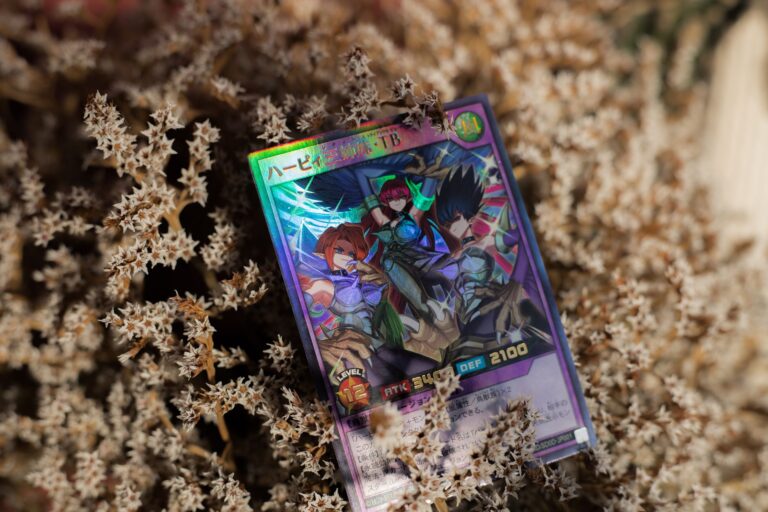
If you are trying to price a Sandslash holo from EX Sandstorm, the card you are almost certainly holding is Sandslash #21/100, a Rare with a Reverse Holo finish from the 2003 EX Sandstorm set. Raw near-mint copies trade in the low single digits, with one documented dealer buylist (the price a shop will pay you) sitting at $5.00. Graded copies climb from there, but this is not a high-dollar chase card.
It is a common reverse holo from an early-2000s set, and its value reflects that. To put a concrete number on it: a collector selling a clean, ungraded copy to a dealer should expect roughly $5, while a buyer purchasing the same card at retail on a marketplace like TCGplayer or eBay will pay a modest premium over that. PSA-graded examples are scarce in absolute terms (just 67 total submissions on record), which tells you most owners never bother slabbing this card, a strong signal that the raw market is where the real activity is. This article walks through the card’s identity, the population and grading data, what the auction record actually shows, and how to read pricing tools without being misled by stale or cumulative numbers.
Table of Contents
- What Does Price Charting for EX Sandstorm Sandslash Holo Actually Tell You?
- Reading the PSA Population and Grading Data Carefully
- What the Auction Record Shows for the Reverse Foil
- How to Price Your Copy: Raw Versus Graded
- Common Pitfalls When Pricing This Card
- Where the EX Sandstorm Set Fits in the Bigger Picture
- Verifying the Card Before You Buy or Sell
- Frequently Asked Questions
What Does Price Charting for EX Sandstorm Sandslash Holo Actually Tell You?
price tracking for this card pulls from a handful of distinct data points, and they do not all mean the same thing. The card itself is unambiguous: Sandslash, #021/100, dated 2003 EX: Sandstorm, Rare, Reverse Holo finish. When you look up “Sandslash Sandstorm holo,” that 21/100 designation is the one you want to confirm before trusting any price, because EX Sandstorm contains 100 cards and several Pokémon appear in multiple sets. The most grounded number available is the buylist figure of $5.00 for a raw Reverse Holo 21/100.
A buylist price is useful precisely because it is a real, standing offer rather than a hopeful asking price. As a comparison, asking prices on active eBay and TCGplayer listings for near-mint raw copies typically run above that buylist number, since the seller is trying to capture retail margin. The gap between the $5 a dealer pays and what a copy lists for is the spread you are navigating as either a buyer or a seller. The practical takeaway is to treat any single pricing source as one input. A buylist tells you the floor, marketplace sold listings tell you the realistic middle, and graded auction records tell you the ceiling for slabbed copies.
Reading the PSA Population and Grading Data Carefully
PSA’s population report for the EX Sandstorm Reverse Holo 21/100 shows 67 total graded copies, with 16 of those landing at PSA 9 and zero at PSA 10. That last figure is worth pausing on. A population of zero PSA 10s does not necessarily mean the card is impossible to grade perfectly; it more often means almost nobody has submitted enough copies for a Gem Mint example to surface. Early reverse holos are notorious for surface scratches and roller lines from the printing process, which makes high grades genuinely harder to earn. The warning here is straightforward: do not assume your raw copy is a PSA 10 candidate just because it looks clean to the naked eye.
With 67 submissions and not a single 10 on record, the odds suggest grading fees would likely exceed the value gained. A graded CGC 9 copy with subgrades is offered through specialty dealers, which shows there is a small market for slabbed examples, but it is a niche one. A small population also cuts both ways. It limits liquidity. If you grade a copy and want to sell it, you may wait a long time for a buyer, because demand for a common reverse holo in a slab is thin compared with chase cards from the same era.
What the Auction Record Shows for the Reverse Foil
PSA’s auction-prices-realized data for the Sandslash Reverse Foil records 5 total auction sales adding up to roughly $92.05 historically. It is tempting to divide that out and call it an average, but that math is misleading without context. These are cumulative sales spread across different times, conditions, and grades, not five identical cards sold last week.
Here is a concrete example of why the distinction matters. If one of those five sales was a graded copy that pulled $40 and another was a damaged raw card that went for $4, the “average” tells you nothing useful about what your specific copy is worth today. The total of $92.05 across five sales is best read as evidence that this card sells infrequently at auction and rarely commands much money, not as a per-card price target. For anyone using auction history to set a price, the better approach is to filter for the exact grade and condition you own and look at the most recent comparable sale, rather than leaning on a lifetime total.
How to Price Your Copy: Raw Versus Graded
The central tradeoff for this card is whether to keep it raw or pay to grade it. The economics lean heavily toward raw. With a documented buylist of $5.00 and no PSA 10s in existence to chase a premium, grading fees of $15 to $30 per card would almost certainly cost more than the grade adds. A PSA 9, of which there are only 16 on record, might recover some of that cost, but a PSA 8 or lower likely would not. Compare the two paths directly.
Selling raw on a marketplace gets you a quick transaction at a few dollars over buylist, minus fees. Grading first ties up cash and weeks of turnaround time for a card whose graded ceiling is low and whose slabbed liquidity is poor. For the vast majority of EX Sandstorm Sandslash holos, the raw route wins on both speed and net return. The exception is a copy that is genuinely flawless and you suspect could break the PSA 10 drought. Even then, treat it as a gamble rather than a plan, and only attempt it if you already have other cards in the submission to spread the cost.
Common Pitfalls When Pricing This Card
The biggest pitfall is confusing the Reverse Holo with a non-holo or a different printing. EX Sandstorm Sandslash is specifically the reverse holo at 21/100; misidentifying the finish leads to comparing against the wrong sold listings and either overpaying or underselling. Always match the card number and the finish before trusting a price. A second trap is treating cumulative or historical data as current market value. As noted, the PSA figure of about $92.05 represents five sales over time, and live values shift.
The data freshness caveat is real: a price you saw last year, or a lifetime auction total, is not what a buyer will pay this week. Confirm against current TCGplayer and eBay sold listings at the time you actually transact. Finally, beware of thin-market volatility. With only 67 graded copies and infrequent auction activity, a single optimistic listing can distort what looks like the “going rate.” One seller asking a high price does not establish value; completed sales do. Anchor to what cards have actually sold for, not to the most ambitious open listing.
Where the EX Sandstorm Set Fits in the Bigger Picture
EX Sandstorm was released in 2003 as part of the early EX-era expansions, and its 100-card checklist mixes ordinary rares with the era’s prized EX cards. Sandslash sits firmly in the common-rare tier, which is exactly why its reverse holo trades for a few dollars rather than the double- or triple-digit prices commanded by the set’s headline EX cards.
For context, a collector assembling a complete EX Sandstorm reverse holo set will find Sandslash an easy, affordable pickup, the kind of card you grab in a bulk lot rather than hunt down individually. That accessibility is a feature for set builders and a reason the card never developed speculative heat.
Verifying the Card Before You Buy or Sell
Before any transaction, confirm three things on the card face: the name Sandslash, the number 021/100, and the reverse holo pattern that shines across the card’s border and body rather than just the artwork window. The Sports Card Investor listing format, 2003 EX: Sandstorm Reverse Holo 021/100, is a clean reference point for the exact identity.
As a concrete check, a CGC 9 copy with subgrades currently offered through a specialty dealer demonstrates what a properly identified, graded example looks like in the market. Matching your copy against a verified listing like that, rather than a generic search result, is the single most reliable way to avoid pricing the wrong card.
Frequently Asked Questions
What card number is the EX Sandstorm Sandslash holo?
It is Sandslash #021/100 from the 2003 EX Sandstorm set, a Rare with a Reverse Holo finish.
How much is the raw Sandslash 21/100 worth?
A documented dealer buylist price is $5.00 for a raw near-mint copy; retail marketplace asking prices typically run a bit above that.
How many have been graded by PSA?
PSA records 67 total graded copies, including 16 at PSA 9 and zero at PSA 10.
Is it worth grading this card?
Usually not. With no PSA 10s on record and a low graded ceiling, grading fees often exceed the value added for most copies.
What does the $92.05 auction figure mean?
It is the cumulative total of 5 historical auction sales across varying conditions and grades, not a current per-card price.
Where should I check current value?
Confirm against recent TCGplayer and eBay sold listings for the exact grade and condition at the time you buy or sell.