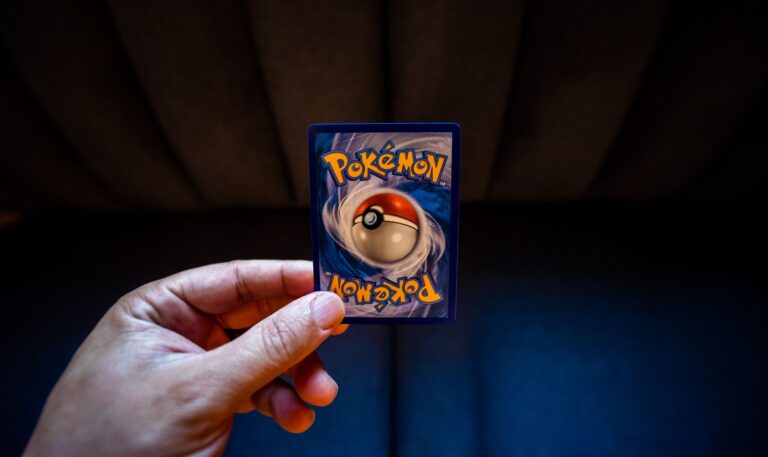
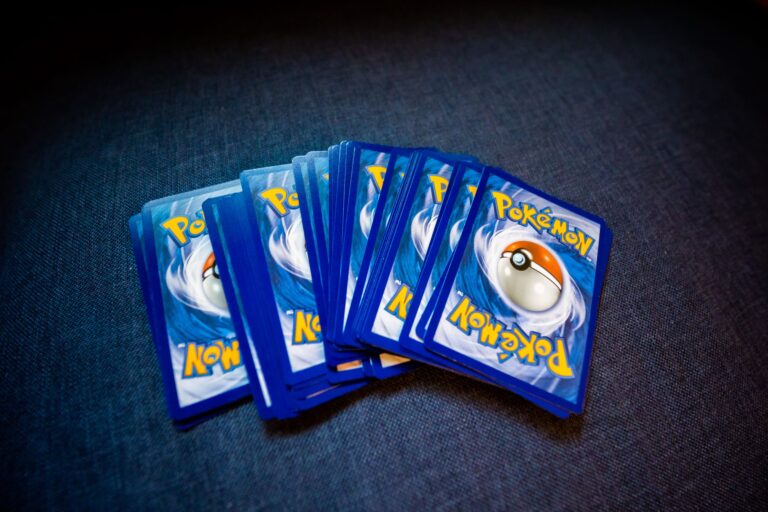
Base Set booster boxes have experienced remarkably strong and sustained demand over the past five years, with prices rising dramatically and collector interest reaching levels not seen since the cards’ original 1999 release. This surge has transformed Base Set boxes from nostalgic collectibles into sought-after investment assets, with shadowless and first edition variants commanding prices that exceeded $100,000 for sealed boxes by 2023 and 2024. The demand has been driven by a convergence of factors: nostalgia among millennial collectors, media attention from Netflix’s “Pokémon: Indigo League” nostalgia marketing, investment speculation, and the fundamental scarcity of legitimately sealed examples from a 25-year-old product line.
What makes this demand particularly significant is its persistence across market corrections and skepticism. Unlike many collectibles that spike briefly before collapsing, Base Set booster box demand has maintained elevated levels even as some other Pokemon products experienced pullbacks in 2023 and 2024. This resilience suggests that demand is anchored not just in speculation but in genuine collector interest, with both serious collectors and speculators competing for the same limited inventory.
Table of Contents
- Why Did Base Set Booster Box Demand Explode Starting Around 2020?
- Market Dynamics and the Speculation Bubble Concern
- Specific Price Trajectory and Market Data Over Five Years
- Collector Investment Mentality vs. Traditional Collecting Behavior
- Counterfeit and Authentication Risks in a High-Demand Market
- Regional Demand Variations and Market Concentration
- Looking Ahead—Will Base Set Booster Box Demand Remain Strong?
- Conclusion
Why Did Base Set Booster Box Demand Explode Starting Around 2020?
The explosion in base Set booster box demand coincided with the broader Pokemon collectibles bubble that began in 2020, triggered by a combination of pandemic-driven nostalgia and social media influence. During lockdowns, adults who had collected Pokemon cards as children suddenly had time and disposable income to revisit their childhood hobby. YouTube unboxing videos and TikTok content featuring opening extremely expensive sealed boxes became viral phenomena, with some creators spending over $50,000 to open a single shadowless Base Set booster box for content. This visibility created a feedback loop where more people sought Base Set products, driving up prices, which then attracted media coverage, which attracted more buyers.
Additionally, the supply side of the equation became increasingly important. There are only a finite number of legitimately sealed Base Set booster boxes in existence, as these products are now 25 years old. Factory sealed examples have become rarer as previously stored inventory was discovered, authenticated, and sold, meaning the market was essentially trading a shrinking pool of genuine products. Unlike modern Pokemon products that can be reprinted, a sealed 1999 Base Set booster box cannot be reproduced as a first edition or shadowless variant, making scarcity a fundamental driver of demand.

Market Dynamics and the Speculation Bubble Concern
While demand has genuinely remained strong, it’s important to recognize that a significant portion of the buying pressure on Base Set booster boxes has come from speculation rather than traditional collecting. Investment groups and individual speculators have purchased sealed boxes as alternative assets, betting that rarity and nostalgia would continue driving prices higher indefinitely. This speculative component introduces real risk: if investor sentiment shifts or if a significant cache of previously unknown sealed Base Set boxes is discovered (something that happened periodically with boxes found in storage facilities), prices could experience sharp corrections.
The grading and authentication industry has also influenced demand dynamics. The professionalization of Pokemon card grading through services like PSA and Beckett gave collectors concrete ways to verify sealed box authenticity and condition, which reduced fraud concerns and enabled confident long-distance trading. However, this same professionalization has created a tiered market where boxes graded at higher quality levels command exponentially higher prices—a BGS 9.5 shadowless first edition box might sell for three times the price of a comparable BGS 8.5, creating pricing instability as the market effectively divides into micro-segments based on condition grades.
Specific Price Trajectory and Market Data Over Five Years
The price progression of Base Set booster boxes from 2019 to 2024 tells a dramatic story. In 2019, a near-mint shadowless Base Set booster box typically sold for $15,000 to $25,000. By early 2021, as the pandemic boom accelerated, these same boxes were trading for $40,000 to $60,000. At the market’s peak in early 2023, graded shadowless first edition boxes were reaching $150,000 to $200,000 for highest-condition examples.
While prices have moderated from those absolute peaks in 2024, they remain substantially elevated from pre-2020 levels, with shadowless first edition boxes still trading in the $60,000 to $100,000 range depending on condition and grade. For comparison, unlimited Base Set booster boxes—which were printed in much larger quantities—have seen less extreme but still substantial price increases. An unlimited box trading for $4,000 to $6,000 in 2019 might now trade for $12,000 to $18,000, roughly a 3x increase. This divergence between shadowless and unlimited pricing reflects how scarcity premium compounds when collector demand is strong. The data also shows that first edition variants command significant premiums over non-first-edition boxes, with first edition shadowless boxes consistently selling for 40-60% above shadowless non-first-edition variants.
Collector Investment Mentality vs. Traditional Collecting Behavior
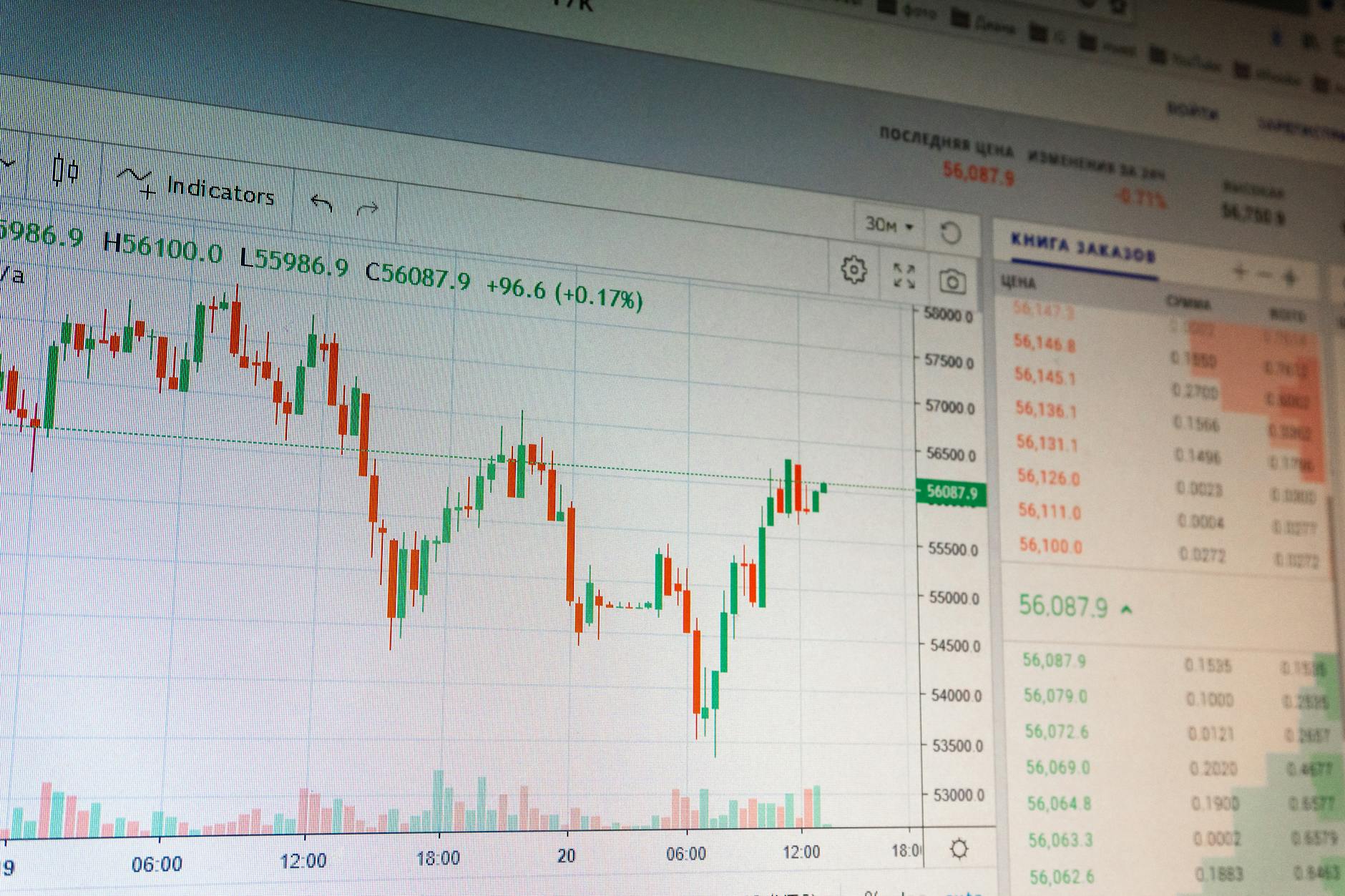
The shift in Base Set booster box demand reflects a broader change in how people view these products. Traditionally, Pokemon card collectors focused on assembling complete sets of individual cards to a desired grade level. Base Set booster box demand has attracted a different demographic: investors treating sealed boxes as portfolio assets similar to fine art or rare coins, stored in climate-controlled facilities and tracked primarily for price appreciation. This has driven demand upward but has also created a concerning dynamic where demand is partially detached from use or enjoyment. However, there are significant downsides to this investment mentality.
Storage costs for properly preserving sealed booster boxes can run $50-100 per year per box. Insurance requirements mean investors are paying 1-3% of the box value annually in premiums. The market is also highly illiquid compared to public stocks or bonds—selling a $80,000 booster box might require weeks of marketing or accepting a 5-10% discount to move it quickly. Furthermore, the investor demand is vulnerable to shift if Pokémon’s cultural relevance wanes or if newer collectible trends (like digital assets or alternative card games) emerge. A collector opening and enjoying a Base Set box has no liquidity concerns but is making a decision they cannot reverse.
Counterfeit and Authentication Risks in a High-Demand Market
The extreme price levels of Base Set booster boxes have created a strong economic incentive for counterfeiting. While sealed booster boxes are harder to counterfeit than individual cards because they require factory-level reproduction capabilities, the market has seen sophisticated fake boxes with good exterior condition but questionable or empty interiors. Unscrupulous sellers have occasionally sold resealed boxes—legitimate boxes opened, graded cards removed, then resealed with modern packing materials—marketed as original sealed products. This counterfeit risk is a serious limitation of the market that prevents many potential buyers from entering.
Authentication has become critical and expensive. Cards graders now offer sealed box verification services, with fees ranging from $150 to $500 per box depending on the service level. Some high-value boxes are sold with professional grading certificates (PSA 10 or BGS 10), which significantly increases confidence and price but also adds cost. Buyers purchasing ungraded sealed boxes from private sellers face inherent risk, regardless of seller reputation. The abundance of counterfeit products in the broader Pokemon card market means that diligence is not optional—even experienced collectors have been caught unaware.

Regional Demand Variations and Market Concentration
Base Set booster box demand has been geographically concentrated, with the strongest demand coming from North American collectors and investors, followed by Japanese collectors who represent a secondary peak of demand for English-language Base Set products. European and Australian markets show notably lower competition for Base Set boxes, often resulting in lower local prices for identical products. This geographic concentration matters because it affects where boxes are most likely to surface for sale and where they command premium prices.
A shadowless first edition box that might sell for $95,000 in New York might sell for $75,000 in London or Sydney, assuming the same condition grade. Japanese collectors, interestingly, have shown particular enthusiasm for English-language first edition cards and boxes, sometimes paying premiums relative to North American pricing. This cross-border demand has created arbitrage opportunities, with some dealers importing boxes from the United States to Japan where they can command higher prices. The regional variations suggest that anyone serious about acquiring Base Set booster boxes should understand that geography affects pricing and that boxes can sometimes be sourced more affordably outside primary markets, though shipping, insurance, and international transaction costs must be factored into any such strategy.
Looking Ahead—Will Base Set Booster Box Demand Remain Strong?
Predicting sustained demand for Base Set booster boxes requires understanding what fundamentals underpin current high prices. The nostalgia factor appears durable; Pokémon is now nearly 30 years old, and millennial collectors will likely maintain interest for decades. The scarcity of sealed first edition boxes is permanent—no new ones will be manufactured, and the existing population continues to decline as boxes are opened or lost to time and storage issues. However, the speculative component of demand could recede if alternative collectibles emerge or if negative cultural events affect Pokémon’s brand perception.
One potential wildcard is the discovery of previously unknown sealed inventory. Several instances in the past decade saw massive caches of vintage Pokemon products discovered in warehouses or private collections, which temporarily increased supply and put downward pressure on prices. While any remaining major discoveries of sealed Base Set boxes seem unlikely given 25 years have passed, their possibility creates price volatility risk. Forward-looking collectors and investors should view Base Set booster box demand as currently strong and likely durable in the medium term, but not guaranteed to appreciate indefinitely or at historical rates.
Conclusion
Demand for Base Set booster boxes over the past five years has been exceptionally strong, with prices rising 3x to 8x depending on the specific variant and condition grade. This demand stems from genuine collector interest intersecting with speculative investment interest, scarcity that is absolute and permanent, and cultural nostalgia for a 25-year-old product line that defined childhood for millions of adults. The market has matured with professional grading, authentication services, and deep liquidity at the highest price points, making Base Set booster boxes accessible to serious buyers.
The key takeaway is that while demand has proven resilient across economic cycles and collectibles market corrections, it is not insulated from risk. Potential buyers should approach Base Set booster boxes as either purchases for genuine enjoyment and collection or as speculative investments with clear understanding of counterfeiting risks, market liquidity constraints, and storage costs. The demand is real and substantive, but it exists within a market that rewards careful authentication and authentication due diligence.