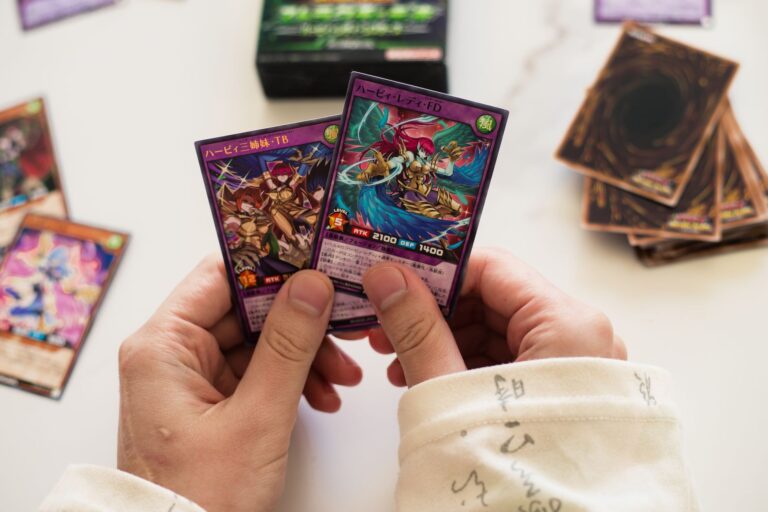
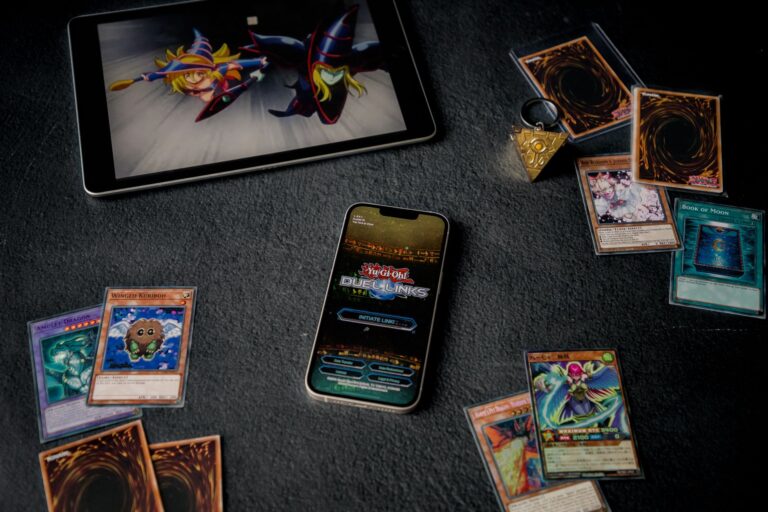
Pokémon card drops create nearly identical energy to sneaker releases because both rely on the same formula: artificial scarcity, limited availability windows, exclusive designs, and the psychological pull of owning something everyone else wants but can’t have. When The Pokémon Company announces a special set release or retail partners open pre-orders for a premium product like Scarlet & Violet booster boxes, collectors experience the same rush of anticipation, the same anxiety about missing out, and the same competitive scramble to secure product that you see outside a Nike SNKRS drop. The parallel is so direct that many of the same people who wait in line for limited-edition shoes also camp refresh buttons waiting for Pokémon product to drop online.
The mechanics that make sneaker drops successful—scarcity, anticipation, exclusivity, and the status of ownership—are now baked into how Pokémon distributes collectible cards. A release of a special art set or a limited-run premium product can sell out in minutes, not because the cards themselves have become scarcer than they were a year ago, but because The Pokémon Company and retailers have deliberately created the conditions that make them feel scarce. This isn’t accidental. It’s the intentional application of hype and release strategy that Nike, Adidas, and sneaker culture perfected over decades, now applied to cardboard rectangles with creatures printed on them.
Table of Contents
- What Creates the Sneaker Release Feeling in Pokémon Card Drops?
- How Scarcity and Exclusivity Drive Demand
- The Secondary Market and Resale Value Parallels
- The Collector Mentality and Fear of Missing Out
- Bots, Scalping, and Access Problems
- How Release Strategy Maintains Hype
- The Future of Pokémon Releases and Market Evolution
- Conclusion
What Creates the Sneaker Release Feeling in Pokémon Card Drops?
The core mechanic is timing and access control. Sneaker companies announce a drop window, often just one day or a few hours, and only a limited quantity is available. pokémon has adopted this almost exactly. When a special set like Crown Zenith or a premium product like the Scarlet & Violet Shiny Treasures Ex box drops at major retailers, The Pokémon Company coordinates a release date, retailers put product online at a specific time, and inventory runs dry within hours. collectors set alarms, refresh pages repeatedly, and join queues hoping to secure even a single box.
A collector missing the window might find booster boxes they wanted selling for double the retail price on secondary markets within 24 hours. The psychological effect is identical to sneaker culture because the consumer behavior it triggers is identical. In both hobbies, consumers feel they’re competing for access to something desirable and limited. Whether it’s a Jordan 1 Retro High or a Pokémon Zenith Collection box, the product feels valuable precisely because it’s hard to get. Sneaker culture has long understood that artificial scarcity drives desire more effectively than simple availability ever could. Pokémon TCG has imported that lesson wholesale.

How Scarcity and Exclusivity Drive Demand
Here’s where we need to separate genuine scarcity from manufactured scarcity, and this is a critical distinction many collectors miss. Genuine scarcity means a product was produced in limited quantities due to physical or practical constraints. Manufactured scarcity means The Pokémon Company deliberately restricted production or access even though they could have made more. Most Pokémon card drops operate on manufactured scarcity, and that matters for what happens next in the market. When The Pokémon Company releases a special set in a time-limited window, they’re not communicating “we could only make this much.” They’re communicating “this is only available during this window.” That’s the sneaker model. Nike didn’t make five million Air Jordans and sell them all at once—they made a controlled batch, released it under controlled conditions, and created the impression that you had to buy it right then or miss out forever.
Pokémon does the same with Crown Zenith, special art boxes, and premium collections. The products often remain available in some form later, but the limited drop creates the urgency that drives immediate, panic buying. The danger here is that collectors often mistake the release window for the actual rarity of the product. A Scarlet & Violet booster box from a regular release might sit on shelves for months, but when it’s announced as part of a “limited” drop, collectors treat it with the same urgency they’d use for a genuinely rare product. Prices spike during the drop window, secondary market listings explode, and some collectors pay double retail because they believe this is their only chance. Often, it’s not. Many of these products become available again at retail price weeks later, and collectors who paid scalper prices often regret it.
The Secondary Market and Resale Value Parallels
The resale market is where Pokémon card drops most directly mirror sneaker culture. With sneakers, the secondary market price immediately reflects whether a shoe was difficult to get or just sits on shelves. A sought-after Jordan or Dunk drops, sells out, and resale prices climb to $200, $300, or higher. A hyped release that The Shoe Company mass-produced sits in inventory and sells below retail on StockX within a week. Pokémon cards work the same way, with the added complexity that card value depends on both the release scarcity and the card’s collectibility within the set. A booster box from a popular set like Sword & Shield or Scarlet & Violet can shift from $100 retail to $150 or $200 in the secondary market if it sells out and collectors want it badly. Conversely, a hyped release that gets reprinted or overstocked can drop to $60 or $70.
The difference isn’t about what’s inside the packs—it’s about perceived scarcity and the story collectors tell themselves about rarity. Someone buying a Scarlet & Violet booster box for $180 six months after release isn’t buying it because the contents are different than $100 boxes were at launch. They’re buying it because the market collectively decided it’s “harder to find now” and worth more. The resale market also introduces the same problem sneaker culture faces: flipping and speculation. Collectors buy multiple boxes at retail price during drops, immediately list them on secondary markets at marked-up prices, and pocket the difference. This is scalping with cards instead of shoes. During major drops, a significant portion of retail inventory goes to resellers rather than actual collectors. This inflates prices for genuine collectors who just want to buy what they want during the drop window but can’t due to bot competition and early scalper purchases.

The Collector Mentality and Fear of Missing Out
Owning a special Pokémon release that others missed feels good in the same way owning a limited sneaker feels good. There’s status in it. You went to the event, or you were online at the right moment, or you paid attention when others didn’t. You have something others want. This is a core part of what drives sneaker culture, and it’s now central to Pokémon card collecting as well. A collector who scored a Crown Zenith box during the drop window can point to it on their shelf and feel satisfied, not just because of the cards inside but because they got it right when it mattered. The FOMO factor—fear of missing out—is the emotional engine driving both markets. The Pokémon Company knows this.
When they announce a release window of 24 or 48 hours for a special product, they’re not managing inventory scarcity. They’re managing psychology. The limited window creates urgency that makes people decide right now whether they want to buy rather than deliberating for days. Some collectors who might have researched the product and decided to pass if given a week end up buying it at retail price on drop day just because the window felt temporary. And if they miss it and prices climb in the secondary market, the regret reinforces the lesson: drops are moments you can’t get back. The tradeoff is clear: this FOMO-driven purchasing leads to impulse buys and collection regret. Collectors often buy products during drops that they wouldn’t want after three months of reflection. The excitement of securing something at retail during a limited window can override the deliberation that good collecting requires. A collector might drop $100 on a special set during a drop only to realize later that they’re not actually interested in opening the product or building that particular collection, and now they’re stuck with inventory at a frozen price point.
Bots, Scalping, and Access Problems
The darkest parallel between Pokémon drops and sneaker releases is the bot problem. Resellers and scalpers use automated scripts to buy products in bulk the moment drops go live, blocking access for actual collectors. With sneakers, this became so endemic that Nike developed SNKRS, a dedicated app designed to slow down bot activity and give regular consumers a better chance at limited releases. Pokémon hasn’t developed an equivalent systemic solution at the retailer level, which means major drops often see botselling inventory to resellers within seconds. A typical Pokémon drop at a major retailer like Walmart or Target goes like this: Product goes live at 7 AM on a Friday. Within ten minutes, 80% of inventory is gone—much of it to bots that processed hundreds of orders in seconds.
By the time a casual collector refreshes their browser with their coffee, stock is already depleted. They can either try secondary markets at marked-up prices or wait for the next drop and hope for better timing. This creates a two-tier market: one where people with infrastructure or knowledge bypass the retail channel entirely and buy from resellers, and another where regular collectors get priced out. The warning here is stark: if you’re a collector who doesn’t like secondary market markups or can’t afford them, Pokémon drops as currently structured often work against you. The drops are sold as exclusivity moments for collectors, but the infrastructure to prevent bot buying means they often benefit resellers instead. You’re competing not just against other collectors but against automated systems designed to beat you. This is a major frustration in the Pokémon community and one area where the hobby has genuinely failed to solve a problem that sneaker culture at least attempted to address through SNKRS and partner retailer safeguards.

How Release Strategy Maintains Hype
The Pokémon Company strategically spaces releases and uses special drops as hype events. Rather than making all premium product available all the time, they announce a new special product every few months, coordinate with retailers on exact release dates, and create a calendar that collectors follow. This is pure sneaker release strategy. Nike releases Air Jordan colorways on specific dates, builds hype through previews and announcements, and then drops them in controlled fashion.
Pokémon does the same with special sets and premium collections. A concrete example: Scarlet & Violet Crown Zenith released as a limited drop in December 2023, sold out quickly, climbed in secondary market value, then reprints came months later at different retailers with new special art designs. Each new release event—even reprints with minor variations—generates fresh hype and brings back the drop day urgency. Collectors who missed the first Crown Zenith products get another chance, but at the cost of buying again at retail rather than having had the opportunity weeks earlier. The release calendar becomes a collector’s roadmap, similar to how sneaker enthusiasts track release dates across Nike, Adidas, and Jordan Brand.
The Future of Pokémon Releases and Market Evolution
The Pokémon card market is likely to continue borrowing from sneaker culture, but potentially in ways that either deepen the current problems or address them. There’s a possibility that The Pokémon Company, seeing the secondary market activity and scalper frustration, moves toward more Nike SNKRS-style solutions: dedicated apps for drops, account verification systems to prevent bot bulk buying, or regional release events that limit access geographically. These moves would acknowledge that the current system benefits resellers more than collectors.
Alternatively, The Pokémon Company may lean harder into the hype model, releasing even more limited special products and creating higher tiers of exclusivity. This would make Pokémon card collecting even more like luxury sneaker culture, where the most coveted drops become status symbols that command significant premiums. The hobby would segment further into collectors who buy retail and casual collectors who accept secondary market prices, much like sneaker culture has stratified.
Conclusion
Pokémon card drops create the same energy as sneaker releases because they follow the same playbook: limited availability, controlled access windows, and artificial scarcity that turns a regular product into a must-have moment. The psychology is identical, the secondary market dynamics mirror each other, and the collector mentality of wanting to own something because it’s hard to get drives behavior in both communities. For collectors, this means understanding that drop day urgency is by design, not necessity, and that many “limited” releases aren’t actually limited in the long term but limited only in their access window.
The key takeaway is to separate drop day hype from actual collecting strategy. The excitement of landing a special product at retail during a drop window is real, but it shouldn’t override deliberation about whether you actually want that product or whether secondary market prices might drop after initial hype fades. If you understand that Pokémon drops are constructed using the same scarcity theater that sneaker culture perfected, you can collect more strategically rather than reactively, and avoid the common mistake of paying secondary market premiums for products that end up being reprinted or losing relevance within months.