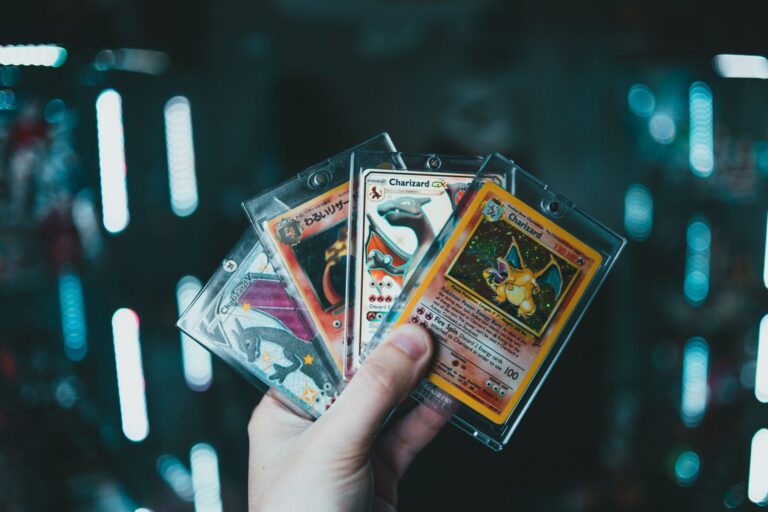
Pokémon 30th Anniversary investment topics matter because they identify which cards, sets, and market conditions will drive collector returns over the next 12 to 24 months. With the October 2026 expansion set arriving to coincide with the franchise’s milestone, collector interest and pricing pressure are already visible in cards like Charizard ex from the Pokémon 151 set, which has climbed from $210 to $230 on TCGPlayer, with near-mint copies trading at $280 and above. Understanding which investment categories to track—from immediate release opportunities to long-term grading and scarcity plays—separates collectors who capitalize on anniversary momentum from those who enter after prices have already moved.
The 30th Anniversary expansion differs meaningfully from previous milestone sets. It will span all ten Pokémon generations, not just Generation I, and demand signals are already outpacing supply by 200 to 300 percent across major distributor markets. Pre-order volumes are selling out three to four times faster than 25th Anniversary products did at the same stage. This compression creates both urgency and opportunity—but only for collectors tracking the right categories.
Table of Contents
- Which Pokémon 30th Anniversary Cards Are Moving the Market?
- Supply Constraints and Pre-order Demand: What Makes 30th Anniversary Allocation Critical
- Graded Card Performance and the PSA 10 Premium
- Tracking 2004 Gold Star Rarities and Historical Precedent
- Grading Standards and Population Reports: How Condition Affects Long-term Value
- Sealed Product Strategy and the 12-Month Appreciation Window
- Forward-Looking: October 2026 Release and Beyond
- Conclusion
Which Pokémon 30th Anniversary Cards Are Moving the Market?
The most immediate investment-grade cards from the anniversary period are the special illustration rares (SIRs), which have already climbed to floors of $950 for top-tier examples. These cards appear in approximately one out of every twelve booster cases, making them genuinely scarce. Charizard ex and Venusaur ex from the Pokémon 151 set remain the category leaders: Charizard ex moved from $210 to $230, but the real collector floor sits at $280 for near-mint copies. Venusaur ex jumped even more dramatically, rising from $72 to $88 as of March 2026, showing that mid-tier holos in the anniversary window can deliver strong appreciation even without the peak-card status of a Charizard variant.
The comparison matters here: Charizard ex had a larger initial print run and higher base demand, yet the percentage gain and sustainability lag behind Venusaur ex, which had steeper scarcity from the start. This suggests that investors tracking the “second-tier” special cards may capture better returns than chasing the obvious Charizard plays that are already partially priced in. The limiting factor for both is grading capacity—PSA and BGS are both backlogged, and early submissions now will not return for months. Collectors buying raw copies and planning to grade later face holding risk if prices soften.
Supply Constraints and Pre-order Demand: What Makes 30th Anniversary Allocation Critical
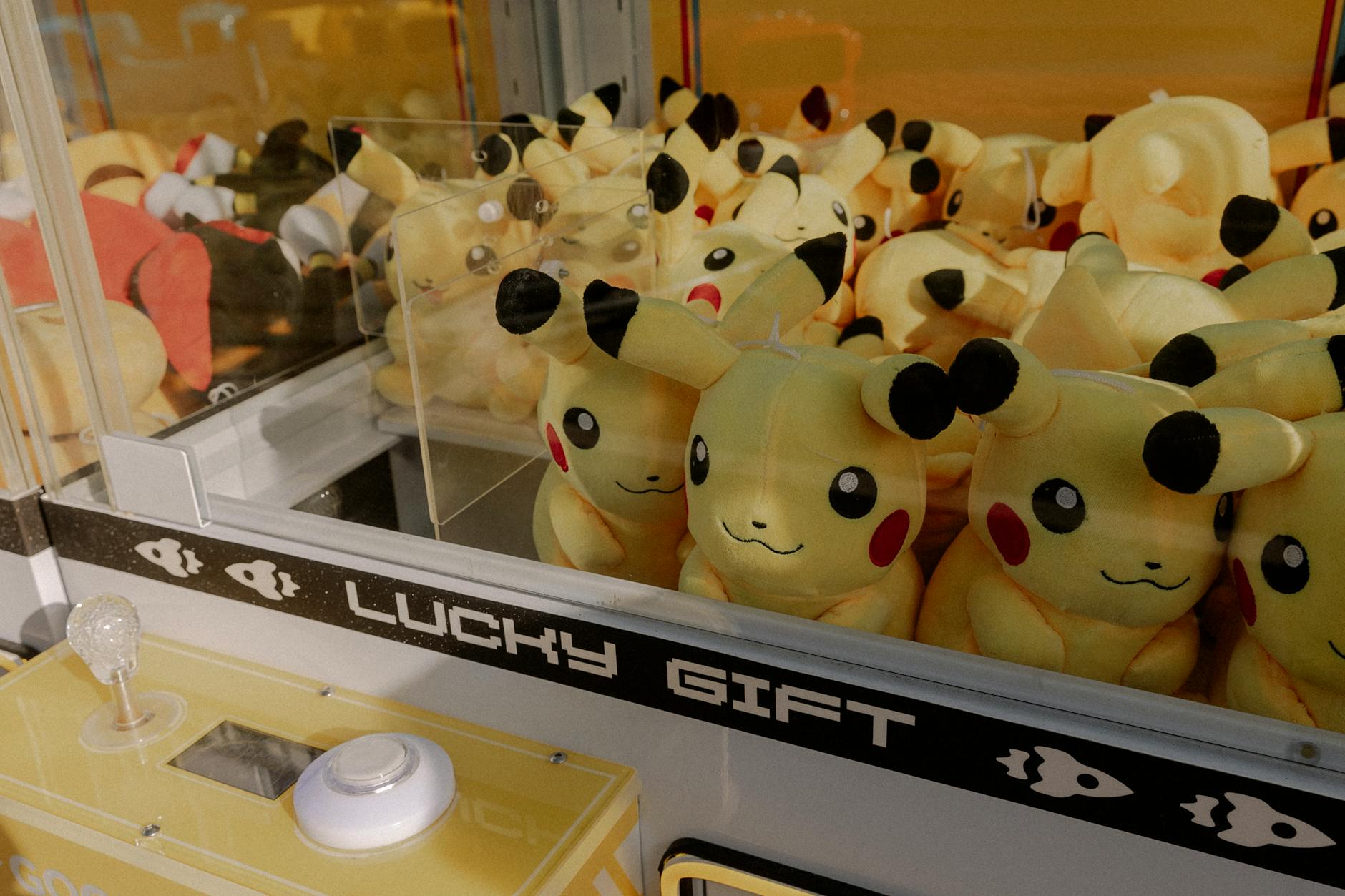
Distributor allocation requests are exceeding available supply by 200 to 300 percent across major retail markets, a supply-demand gap that fundamentally changes how anniversary products should be evaluated. Elite Trainer Boxes from previous sets typically appreciate 30 percent within the first 12 months; the 30th Anniversary allocation crisis suggests these returns could easily exceed that baseline. However, this growth depends on actual supply remaining constrained, not merely tight pre-order phases. The warning here is about timing and logistics.
The October 2026 release is still months away, and demand perception can shift rapidly once product hits shelves and grading backlogs clear. Collectors who lock in pre-orders at retail prices ($40 for Elite Trainer Boxes) should plan for holding periods of 12 to 18 months before meaningful secondary-market gains materialize. Buying sealed product is not a quick flip—it’s a capital allocation against sustained scarcity. If the Pokémon Company increases print runs mid-year, or if alternative supply from international markets floods back into North America, the appreciation thesis collapses entirely.
Graded Card Performance and the PSA 10 Premium
The real wealth in anniversary collecting sits at the intersection of grading, condition, and generational rarity. A PSA 10 Base Set Charizard (1st Edition) reached $550,000 at Heritage Auctions in late 2025, but that card predates the anniversary window by two decades. More relevant is the PSA 10 Pikachu Illustrator, which sold for $16,492,000 at Goldin in February 2026—an all-time record that reinforces demand for the absolute rarest, highest-condition cards in the hobby.
For 30th Anniversary cards specifically, raw-to-graded appreciation will depend on turnaround times and condition distribution. Special Illustration Rares are pulled at rates suggesting that gem-mint examples will be scarcer than standard holos, creating a supply cliff for PSA 10 and PSA 9 copies. A collector who pulls a near-mint SIR and grades it should expect 60 to 100 percent appreciation over the raw value within 18 months, assuming the card has mainstream appeal (Charizard, Pikachu, Dragonite, etc.). The risk is that grading backlogs extend beyond expectations, during which time market prices could soften, eroding the grading premium.

Tracking 2004 Gold Star Rarities and Historical Precedent
Historical precedent shows that Pokémon TCG cards tied to specific eras or release types command outsized premiums over time. The 2004 Torchic Gold Star EX from Team Rocket Returns sold for $43,200, with only approximately nineteen known copies in PSA 10 grade. This is not a 30th Anniversary card—it is over twenty years old—but it illustrates how scarcity combined with generation-specific appeal creates a floor that resists market downturns.
The 30th Anniversary expansion will create its own generation-specific rarities, particularly cards that satisfy both modern collector demand and nostalgic 1990s connections. Charizard and Pikachu reprints fill this slot perfectly, but lesser-known cards from Generation I that receive special illustration treatments could appreciate dramatically once sealed product dries up. The tradeoff is clear: chasing obvious chase cards (Charizard ex, Pikachu promos) means buying into already-elevated prices, while speculating on secondary-tier special illustrations requires conviction that the market will recognize their scarcity. The 2004 Torchic example suggests it will, but timing is everything.
Grading Standards and Population Reports: How Condition Affects Long-term Value
Condition distribution for 30th Anniversary cards is currently unknown, but historical data from the Pokémon 151 set provides useful context. Cards pulled fresh from booster packs average light play to mint condition, meaning PSA 9 and PSA 10 copies will be the most common grades for carefully stored examples. PSA 8 cards will appreciate more slowly because the market has relative abundance. PSA 10 copies, by contrast, will become scarce within six months as population reports stabilize.
A critical warning: submitting every good card for grading is a value destruction strategy. Grades cost money ($15 to $200 per card depending on turnaround), and if you grade a card worth $100 raw and it gets a PSA 8 instead of the anticipated PSA 9, you’ve paid $50 to $100 to destroy your own equity. Selective grading—prioritizing only cards with obvious premium potential, clear generational appeal, or already-visible market demand—preserves returns. The limitation is knowing which cards qualify, which requires tracking current secondary-market sales, not just pull rates.

Sealed Product Strategy and the 12-Month Appreciation Window
Elite Trainer Boxes and sealed booster cases remain the safest anniversary investment vehicle for collectors averse to individual card risk. Typical 30-percent appreciation within twelve months translates to modest but reliable returns: a $40 Elite Trainer Box becomes worth $52 a year out. Multiplied across ten to twenty boxes, that’s meaningful compounding. The 30th Anniversary allocation constraints suggest this appreciation could reach 40 to 50 percent, making the math more compelling.
Storage and authentication matter. Sealed product must be stored in dry, temperature-stable conditions away from sunlight, and certificates of authenticity or purchase receipts should be retained to prove legitimacy if resale disputes arise. A collector who bought sealed Pokémon 151 product at retail six months ago can now resell for 20 to 30 percent gains, validating the strategy. The October 2026 expansion will follow the same pattern—early buys at $40 retail will be worth $50 to $60 by late 2027.
Forward-Looking: October 2026 Release and Beyond
The October 2026 expansion arrival is the inflection point for the 30th Anniversary investment thesis. Product will hit shelves just months after the franchise’s February anniversary, capturing peak nostalgia and collector demand. The first sixty to ninety days after release will determine whether supply allocation tightens further or stabilizes. If retail supply disappears by November, secondary-market prices for sealed product will spike.
If shelves remain stocked, appreciation slows to standard rates. Collectors should begin tracking allocation patterns now—pre-ordering when possible, staying informed on distributor availability, and noting which retailers are limiting purchases. These data points will clarify whether the 200-to-300-percent supply shortfall persists or resolves. Forward-looking strategy should assume supply remains constrained (the safer bet given pre-order velocity) while remaining flexible to reduce exposure if shelves fill. The window for capitalizing on anniversary scarcity closes after the first quarter of 2027; by then, population reports will be complete, graded card performance will be measurable, and the investment thesis will either confirm or invalidate.
Conclusion
Pokémon 30th Anniversary investment tracking should center on four categories: sealed product for consistent appreciation, special illustration rares for scarcity-driven gains, mid-tier holos for undervalued appreciation potential, and graded examples for long-term wealth concentration. Supply constraints are real and measurable, demand signals are strong, and historical precedent (including the $16.4 million Pikachu Illustrator sale in February 2026) confirms that the Pokémon TCG market rewards scarcity. The collectors who win are those who identify which categories to prioritize before prices fully adjust—not those who chase after the obvious plays have already appreciated 40 to 50 percent.
Start by locking in pre-orders for sealed product, carefully curating raw cards for selective grading, and monitoring secondary-market prices for Charizard ex, Venusaur ex, and Special Illustration Rares as reference points. The October 2026 expansion will move fast. Delayed entry costs more and yields less margin.