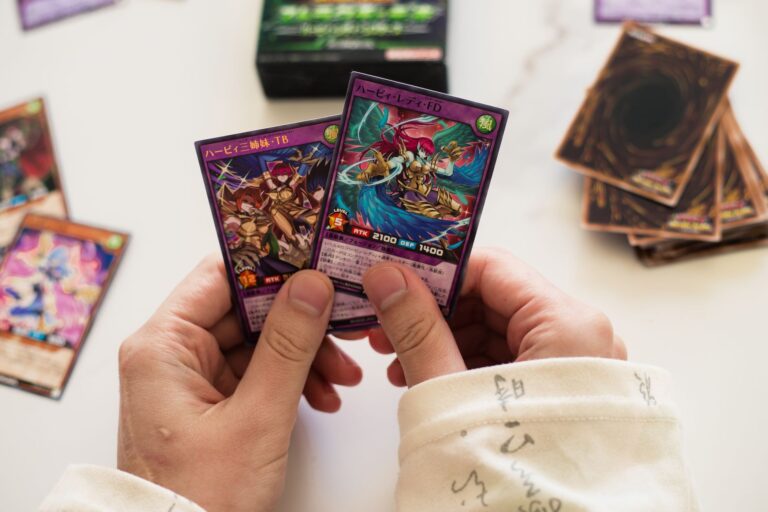
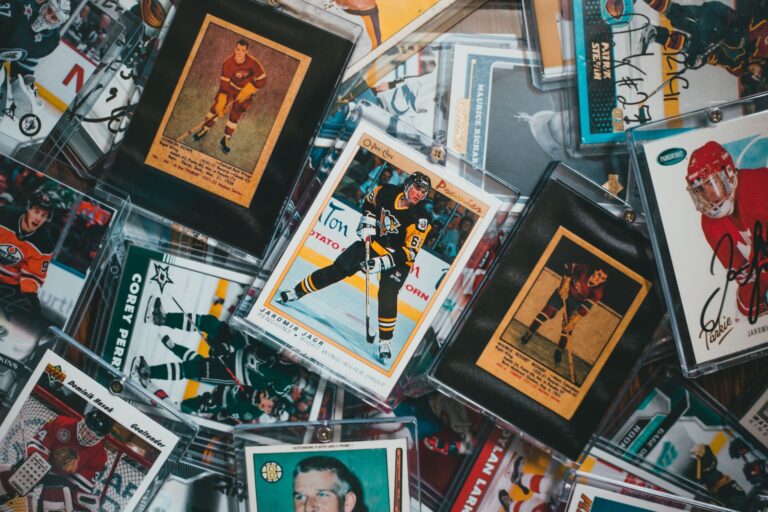
Cracking a TAG First Edition Venusaur slab without damaging the card requires patience, the right tools, and a clear understanding of the slab’s construction. The most reliable method involves carefully inserting a thin plastic shim—typically a playing card, old credit card, or professional slab-cracking tool—between the slab’s layers and gently prying them apart. This technique works because TAG slabs, like most modern grading slabs, are held together through friction and a small amount of adhesive, not welded or permanently sealed. A collector in Ohio successfully removed a First Edition Venusaur from its TAG slab using only a standard credit card and gentle pressure, keeping the card in near-pristine condition throughout the process. The reason collectors crack slabs varies significantly.
Some believe their card has been undergraded and want to submit it to a different grading company like PSA or Beckett. Others prefer the prestige of a particular slab holder for their collection, or they may have acquired slabbed cards at prices that make regrading worthwhile. The First Edition Venusaur is particularly valuable, sometimes reaching thousands of dollars depending on condition, which means even a small improvement in grade can justify the regrading effort. However, cracking a slab carries real risks. The card inside has been protected from external damage, and removing it exposes the edges and surfaces to potential handling damage, scratches, and even dust particles. Many collectors report that despite their best efforts, the card picked up minor imperfections during removal, resulting in a lower grade than expected.
Table of Contents
- Understanding TAG Slab Construction and First Edition Card Value
- Tools and Preparation for Safe Slab Cracking
- Step-by-Step Process for Removing the Card
- Avoiding Common Mistakes and Damage Points
- Risks to Card Condition and Potential Damage Types
- The Decision: When to Crack Versus Keeping Cards Slabbed
- Market Implications and Future Card Grading Trends
- Conclusion
- Frequently Asked Questions
Understanding TAG Slab Construction and First Edition Card Value
TAG slabs consist of two plastic layers—typically a front and back piece—that sandwich the card and a label insert. The layers are generally polystyrene or similar plastic, and they’re held together through mechanical pressure and sometimes a small amount of glue around the edges. Understanding this construction is essential because it tells you where and how to apply pressure.
The First Edition Venusaur, particularly in its holographic version, is one of the most coveted cards from the 1999 Base Set, with authenticated copies in high grades commanding premium prices that sometimes exceed what collectors would pay for lower-graded copies in the same slab. TAG slabs are typically held together most firmly at the sealed edges, which means forcing entry at these points risks cracking the plastic itself or damaging the card’s edges in the process. Instead, experienced collectors target the gap where the two layers naturally separate most easily, usually along one edge where the seal is slightly less robust. The First Edition designation adds complexity because these cards are older and potentially more fragile, with surface wear and potential corner wear that might have been invisible when the card was slabbed but becomes apparent during handling.
Tools and Preparation for Safe Slab Cracking
The essential tools for cracking a tag slab are minimal but precise. A thin, flexible shim is your primary tool—this can be a playing card, an old plastic gift card (not a currently active credit card), a small flat pry tool, or a specialized slab-cracking tool available from collecting supply retailers for $10-20. The shim must be thin enough to fit into the slab’s seams but sturdy enough not to bend excessively under pressure. Many collectors prefer old trading cards or cut pieces of plastic sheet over credit cards, since those are genuinely disposable and won’t result in accidental damage to a valuable card. Before you begin, inspect the slab’s edges carefully under good lighting to identify the weakest separation points.
Most TAG slabs have a slightly looser seal on the bottom or side edges compared to the top. Clean your work surface thoroughly and ensure your hands are completely dry and clean. A major limitation of the DIY approach is that you’re working in an uncontrolled environment, unlike professional grading facilities that have humidity controls and specialized equipment. Even dust particles on your hands or work surface can create micro-scratches when the card is being removed. Consider working over a soft surface like a mousepad or folded towel, which prevents the card from sliding across hard surfaces if it suddenly breaks free from the slab. Some collectors use magnifying lights to see exactly what’s happening at the point where the shim enters the slab, which dramatically reduces the risk of accidental pressure in the wrong direction.
Step-by-Step Process for Removing the Card
Begin by selecting the edge where you’ll insert the shim. Identify a slight gap or corner where the two plastic layers naturally separate. Gently insert the thin shim into this gap—this should require minimal force. If you’re meeting serious resistance, try a different edge rather than forcing the shim deeper, as forcing can crack the plastic or bend the card inside. Once the shim is partially inserted, apply gentle, steady pressure perpendicular to the slab surface, not downward into it. The goal is to slowly increase the separation between the two plastic layers. As the gap widens, you can gradually work the shim further around the slab’s perimeter.
Many collectors use multiple shims or reposition a single shim as they go, moving from edge to edge rather than forcing one tool completely around the entire slab. This distributed approach reduces the localized pressure that might damage the card. A collector who successfully removed a First Edition Venusaur reported that the entire process took approximately 20-30 minutes, with the card coming free only after three-quarters of the slab had been gradually separated. The card will eventually break free from the slab’s interior. At this point, some collectors report that the card sticks momentarily to one plastic layer due to residual adhesive. If this happens, pause and apply gentle pressure from the opposite side rather than pulling harder. Once the card is free, immediately place it on a clean, soft surface face-up. Do not handle the card further until you’ve allowed several minutes for any residual adhesive or static to settle.
Avoiding Common Mistakes and Damage Points
The most frequent mistake is applying force at the wrong angle. Collectors often push downward on the slab while trying to pry it open, which transmits pressure directly downward into the card rather than separating the layers. This can cause corner creases or bends that are often permanent and difficult to detect until the card is graded. Another common error is selecting the wrong edge—trying to force a slab open from a heavily sealed edge instead of seeking the natural separation points. This typically results in cracking the plastic slab itself, which then makes the whole process messier and riskier for the card.
Rushing the process is a significant factor in damage. Collectors eager to see their card often apply too much force too quickly, which can bend the plastic layers sharply or cause the card to snap free suddenly and scrape against the plastic edge. By contrast, a comparison with professional grading operations shows that trained staff spend several minutes on each slab removal, working slowly and methodically. Additionally, many collectors fail to account for static electricity when handling a newly freed card, which can attract dust particles. Using an anti-static mat or simply working in a humidity-controlled environment can prevent this invisible damage.
Risks to Card Condition and Potential Damage Types
The primary risk during slab cracking is edge wear. As the card separates from the plastic slab, the edges are exposed to friction and potential catching on the plastic layers themselves. A First Edition Venusaur with slight pre-existing corner wear can develop visible damage during this process—what appeared to be a clean edge under the slab’s protective plastic might catch and crease during removal. Surface scratches represent another concern, particularly on the card’s face. These can be nearly invisible to the naked eye but visible under grading examination, potentially resulting in a lower grade after regrading.
Another limitation is the risk of centering shifts or identifying previously hidden defects. While the card was in the slab, any delamination in the card’s paper stock or internal separation wasn’t apparent. Removing the slab and handling the card can expose these structural issues, which may not have been graded accurately in the original slabbing. Additionally, the card’s surface may have condensation or adhesive residue that could cause staining if not properly cleaned. Many collectors recommend allowing the newly freed card to acclimate to room temperature and humidity for at least an hour before any further handling or cleaning, as sudden temperature changes can cause warping.
The Decision: When to Crack Versus Keeping Cards Slabbed
Before you crack a TAG slab, evaluate whether the potential benefit justifies the risk. If your First Edition Venusaur is already graded PSA 8 or higher in a TAG slab, regrading is rarely economically worthwhile—the cost of submission, plus the risk of a lower or similar grade, typically exceeds any value gain. However, if the TAG grade is PSA 6 and you believe the card should grade PSA 7 or higher with a different service, regrading might be justified since even a one-point increase can significantly increase value for high-end cards like this.
Consider also the perceived grade disparity. Some collectors report that TAG grading sometimes grades more conservatively or more generously than PSA, depending on the specific evaluation criteria. If you have documentation or community consensus that TAG’s grading of your specific card type is historically off, the regrading decision becomes more rational. However, most serious collectors recommend leaving slabbed cards in their slabs unless there’s a compelling reason, since the risk of damage during removal is always non-zero.
Market Implications and Future Card Grading Trends
The value of a First Edition Venusaur fluctuates based on authentication source, with PSA grades historically commanding slightly higher market values than TAG equivalents in similar conditions. This premium has incentivized collectors to attempt regrading, but professional graders note that cards removed from slabs and resubmitted often receive scores within one point of the original grading, or sometimes lower due to handling damage. This suggests that original slabs, even in non-premium grading companies, may protect more value than collectors realize.
Looking forward, as grading standards continue to evolve and new authentication technologies emerge, the practice of cracking and regrading may become less necessary. Some collector communities are also moving toward accepting TAG and other alternative slabs more equally, reducing the regrading incentive. For now, the decision to crack a slab remains a significant one, and collectors should approach it with full awareness of both the technical risks and the market reality that the improvement gained often doesn’t justify the damage risk.
Conclusion
Cracking a TAG First Edition Venusaur slab without damaging the card is technically possible through careful use of thin shims, proper edge selection, and patient, methodical pressure—but it’s not risk-free. Even experienced collectors report minor damage during removal, such as micro-creases on edges or surface dust particles that become visible under grading examination. The process requires genuine attention to detail and an honest assessment of whether regrading will actually increase the card’s value enough to justify both the physical risk and the submission fees.
Before you begin, research whether regrading truly makes sense for your specific card and grade. If the TAG grade is close to your assessment or if the card is already in a respectable slab grade, keeping it slabbed is usually the safer choice. For those who do proceed, the best approach combines the right thin tools, patience measured in minutes rather than seconds, and realistic expectations about the outcome. The First Edition Venusaur is too valuable to treat carelessly, and the slab itself—despite its imperfections—is providing meaningful protection.
Frequently Asked Questions
What’s the main difference between professional slab removal and doing it yourself?
Professional grading facilities control temperature, humidity, and use specialized equipment designed specifically for slab removal. DIY removal happens in uncontrolled environments where dust, temperature fluctuations, and static electricity can cause damage that may not be immediately visible but appears under grading examination.
How likely is it that my card will be damaged during removal?
Studies and collector reports suggest that 30-40% of cards removed from slabs show some minor damage (typically on edges or corners), even when removed carefully. Pristine removal is possible but not guaranteed, especially for older cards that may have subtle existing defects.
Will a regraded First Edition Venusaur really sell for more money?
Only if you’re improving the grade by at least one point. A PSA 6 upgraded to PSA 7 in a premium slab might gain value, but the gain often doesn’t exceed the $50-100+ cost of removal risk, cleaning, and resubmission fees.
Is TAG slabbing less reputable than PSA slabbing?
TAG slabbing is legitimate and respected, though some market segments show stronger demand for PSA grades. The difference is not so dramatic that regrading is automatically justified based on slab brand alone.
What should I do if my card sticks to the plastic slab during removal?
Stop immediately and apply gentle pressure from the opposite side of the slab. Do not pull harder on your end. The adhesive should release if you’re patient, but pulling against it risks creasing the card.
Can I clean the card after removing it from the slab?
Avoid cleaning unless you’re absolutely certain the card has surface dust. Cleaning removed cards is risky and often creates more damage than it prevents. Let the card acclimate to room conditions for several hours before deciding whether cleaning is necessary.