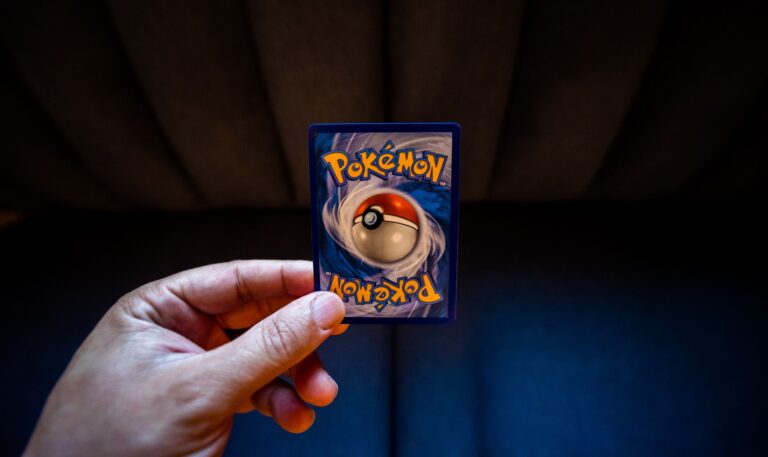
Cracking a TAG 6.5 Espeon for PSA submission carries significant risks that most collectors should understand before attempting. The primary danger isn’t to the card itself during the opening process—modern sealed products can be opened carefully without damage—but rather the financial and strategic miscalculation involved. A TAG 6.5 Espeon, like the Temporal Forces Espeon ex, has established value as a sealed product, and cracking it to submit for grading often results in a lower overall return than simply selling the sealed box or case, even if you receive a high PSA grade.
The core question collectors need to ask themselves is whether the potential gain from a graded 9 or 10 justifies destroying the sealed premium that already exists. For most TAG 6.5 products, the answer is no. A sealed TAG 6.5 Espeon booster box typically maintains consistent market value with relatively low volatility, whereas an ungraded or even PSA-graded single card pulled from that box competes against thousands of similar listings and carries far more unpredictable resale difficulty.
Table of Contents
- What Does “Cracking” Mean and Why Do Collectors Consider It?
- The Damage Risk and Condition Concerns
- Market Comparison Between Sealed Products and Graded Singles
- PSA Grading Costs and Timeline Considerations
- Common Grading Outcome Risks
- When Cracking Might Make Sense
- Market Evolution and Future Considerations
- Conclusion
What Does “Cracking” Mean and Why Do Collectors Consider It?
Cracking refers to opening sealed Pokemon products—boxes, cases, or packs—to extract individual cards for grading or resale. In the case of a TAG 6.5 Espeon product, this would mean breaking the seal on an expensive booster box to hunt for the Espeon ex card. Some collectors believe that cracking makes sense when they’re confident in pulling chase cards that will grade exceptionally high and thus command premium prices from buyers seeking specific PSA grades.
The logic seems sound in theory: if you crack a sealed box, pull an Espeon ex in near-mint condition, and submit it for a PSA 9 or PSA 10, you could potentially sell that graded card for several hundred dollars to a collector who values the certification. However, this calculation typically ignores two realities. First, the cost of cracking (the sealed product) already exceeds the value of a single graded card in most cases. Second, PSA grading itself costs money—typically $20 to $100+ per card depending on turnaround—which further cuts into any profit margin.

The Damage Risk and Condition Concerns
While the mechanical act of opening a sealed box can be done carefully with minimal card damage, the real risk emerges in how cards are handled after opening. Cards stored inside sealed boxes remain in stable, protected environments. Once exposed to air, dust, humidity fluctuations, and handling, even careful collectors frequently see micro-scratches, edge wear, and surface imperfections that they didn’t anticipate. A card that looked perfect inside the sealed box often shows light play wear once exposed and examined under bright light—wear that becomes evident in PSA’s assessment and can result in a 7 or 8 instead of the hoped-for 9 or 10.
Espeon cards in particular tend to show surface wear easily because of their foil patterns and surface texture. The holographic patterns on Pokemon ex cards make imperfections more visible than they would be on non-holo cards. This means the margin for error between pulling a potential 9 and receiving a 7 is much narrower than collectors often realize. Additionally, the handling required during the submission process—placing the card in a sleeve, removing it for photography, placing it in a grading sleeve, and eventual removal at PSA—introduces multiple touch points where damage can occur, even with experienced hands.
Market Comparison Between Sealed Products and Graded Singles
The financial reality of cracking becomes clear when you compare actual market prices. A sealed TAG 6.5 Espeon booster box typically sells for between $180 and $250, with relatively stable pricing week to week. A PSA 9 Espeon ex from that product, when it appears on the secondary market, usually fetches $150 to $300 depending on the specific set, print line, and buyer demand on that particular day. A PSA 10 might reach $400 to $600 in strong market conditions.
These numbers initially suggest upside potential, but they don’t account for context. The sealed box value is highly liquid—you can list it on any major platform and receive steady buyer interest. A single graded card requires the right buyer at the right time; you might sell it quickly, or it might sit in your inventory for weeks or months. Factor in the $25 to $50 PSA submission cost and the 20% marketplace fee if you sell through a service like eBay or TCGPlayer, and your actual profit margin often becomes negative.

PSA Grading Costs and Timeline Considerations
PSA grading fees have increased significantly in recent years, particularly for non-bulk submissions. A standard $49 service at PSA currently takes 6 to 8 weeks for results, while expedited services can push fees to $100 or more per card. For a tag 6.5 Espeon card worth $200 to $250 sealed, a $50 grading fee represents a 20 percent cost reduction before you’ve even listed the card for sale. By comparison, selling the sealed box requires no grading fees and can happen within days. The timeline consideration also matters.
During the time you wait for PSA results—6 to 8 weeks—the secondary market for that card or the sealed product may shift. New sets release, new Espeon support cards may create fresh demand spikes, or the market may consolidate and reduce value. Sealed products experience slower decay in value over time because the supply is fixed and predictable. A sealed TAG 6.5 Espeon box maintains its utility as an investment for collectors holding long-term. A graded single card’s value becomes dependent on trend cycles and buyer sentiment, which are far more volatile.
Common Grading Outcome Risks
The most frequent problem collectors encounter after cracking for grading is receiving a 7 or 8 when they anticipated a 9. This happens far more often than collectors expect because PSA’s grading standards account for imperfections invisible to the naked eye. Even cards stored carefully in a sealed box for years develop minor edge wear simply from card-to-card contact during manufacturing and storage. Espeon cards, with their complex holo patterns, make these imperfections visible to trained graders.
Another risk is the scenario where you crack the box, pull the Espeon ex, and it has a visible printing defect—a print line, off-center image, or poor registration that you didn’t initially notice. These defects often become apparent only after close inspection under grading light, and they can significantly lower the grade assigned. A card with a print defect might receive a 6 or 7 regardless of surface condition, completely negating the value gain from having graded the card versus holding the sealed product. This has happened to numerous collectors who cracked TAG products expecting high grades and received disappointing results.

When Cracking Might Make Sense
There are limited scenarios where cracking a TAG 6.5 Espeon for grading could theoretically make sense. If you discovered a sealed box with an extremely rare printing error or variant—for example, a misprint that significantly increases individual card value—pulling that card and grading it might justify the effort.
Similarly, if you’re a serious collector purchasing the box specifically to complete a graded collection and the sealed status is irrelevant to your goal, cracking becomes purely a matter of preference rather than financial calculation. For speculative players, cracking might be worth considering only if they have deep expertise in identifying cards with exceptional condition and printing quality before opening. Even then, the financial math rarely works in favor of the cracker, especially for tag 6.5 Espeon products where sealed value already reflects fair market pricing for the specific set and era.
Market Evolution and Future Considerations
The Pokemon card market has matured significantly since the 2020-2022 boom, and sealed products now command premiums based on genuine scarcity rather than speculative fervor. This shift makes sealed boxes increasingly valuable as stable assets, while individual graded cards have become commodity items competing for attention among thousands of listings. If you’re holding a TAG 6.5 Espeon box, the sealed status is your competitive advantage—it’s what distinguishes your listing from hundreds of other cards on the market. Looking forward, collectors should anticipate that grading backlogs will continue fluctuating, potentially increasing costs further.
PSA has also faced competition from other graders, which could affect grade pricing and buyer perception over time. Sealed products, by contrast, remain straightforward assets with transparent pricing. A sealed TAG 6.5 Espeon box five years from now will still be recognizable and valuable. A PSA 8 Espeon ex pulled today might be one of thousands in circulation by that point, with depressed resale value.
Conclusion
Cracking a TAG 6.5 Espeon for PSA submission is risky primarily because the financial case doesn’t support the effort. You’re trading a stable, liquid sealed asset for a graded single card with higher handling costs, submission fees, and far more volatile resale value.
The risk isn’t catastrophic—you won’t lose your entire investment—but it’s a consistent underperformer compared to simply holding or selling the sealed product. If you’re considering cracking a tag 6.5 Espeon, take time to compare current market prices for sealed boxes against PSA 8, 9, and 10 singles from that product, factor in all costs, and be honest about how long you’re willing to hold the graded card before accepting market-rate prices. In most cases, that analysis will show that the sealed box is the better choice.