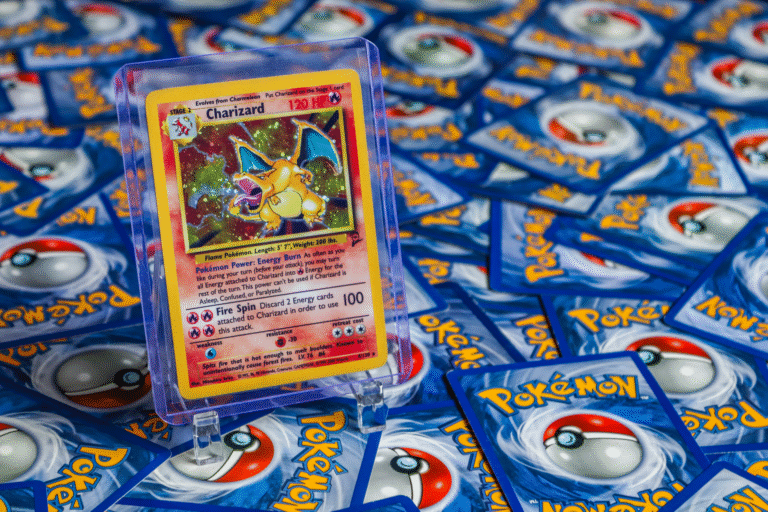
A Japanese Alakazam card graded BGS 9.5 to 6.5 represents a drop of three full grade points, and the value loss is substantial but depends heavily on which Alakazam variant you own. Based on recent market data, a BGS 9.5 Japanese Base Set Alakazam would typically command $300–$500+, while the same card at BGS 6.5 would fall to the $50–$100 range—a loss of roughly 70–80% of its value. The exact percentage varies significantly based on the specific Alakazam card, its release year, and current market conditions.
For example, the rare 1999 Japanese Vending Alakazam (Masaki Promo) shows even steeper drops because higher grades for this card are genuinely scarce in the market. Understanding this value relationship is crucial if you’re considering grading work, resale, or insurance coverage for Japanese Alakazam cards. Grade differences don’t just affect the number on the label—they fundamentally reshape what a collector will pay for the card.
Table of Contents
- UNDERSTANDING BGS HALF-POINT GRADES VS. WHOLE-NUMBER SYSTEMS
- JAPANESE BASE SET ALAKAZAM PRICING AT DIFFERENT GRADES
- THE 1999 JAPANESE VENDING ALAKAZAM EXAMPLE
- WHY THE GRADE DROP FROM 9.5 TO 6.5 IS SO SEVERE
- GRADING COST CONSIDERATIONS AND RISK FACTORS
- MARKET LIQUIDITY AND RESALE TIMEFRAME
- FUTURE OUTLOOK FOR JAPANESE ALAKAZAM GRADING AND VALUE
- Conclusion
UNDERSTANDING BGS HALF-POINT GRADES VS. WHOLE-NUMBER SYSTEMS
Before discussing value, it’s important to recognize that BGS/Beckett grades use half-point increments (9.5, 8.5, 7.5, 6.5), while psa uses whole numbers only (10, 9, 8, 7, 6). This distinction matters because the market treats BGS and PSA cards differently, and pricing data from one grading company doesn’t directly translate to the other. A BGS 9.5 represents “nearly perfect” condition—one step below a Pristine 10—while a BGS 6.5 is considered “Good-Very Good,” indicating visible wear including creases, heavy corner wear, or significant surface damage.
The gap between 9.5 and 6.5 is not simply three grades; it’s a categorical drop in condition quality. According to grading standards, a 9.5 card might have only minor imperfections visible under close inspection, while a 6.5 card will show obvious damage that’s apparent at arm’s length. This visual difference directly influences collector demand and resale velocity.

JAPANESE BASE SET ALAKAZAM PRICING AT DIFFERENT GRADES
Recent sales data for the 1996 Japanese Base Set Alakazam-Holo (a core card for many Japanese collection builders) shows clear pricing tiers. At PSA 6 (equivalent roughly to a BGS 6.5), the card has sold for around $32. At PSA 9 (closer to a high BGS 9), the same card commands $110–$159. At PSA 10, prices jump to $690–$940.
These figures underscore how aggressively the market rewards higher grades, especially in the jump from good to excellent condition. However, a critical limitation exists in directly applying PSA data to BGS pricing: collector preference varies by card, grading company has different standards, and liquidity differs. BGS-graded Japanese cards sometimes command premium prices among certain collector communities, while PSA dominance in the broader market can mean easier resale for PSA-graded cards. This means your actual value realization when selling a BGS 9.5 or 6.5 might differ from the price ranges listed above depending on the marketplace you choose.
THE 1999 JAPANESE VENDING ALAKAZAM EXAMPLE
The 1999 Japanese Vending Alakazam (Masaki Promo) provides a more dramatic real-world example of grade impact. This card is rarer than the Base Set version, making grade sensitivity even more pronounced. A PSA 5 sold for $223.50, while PSA 6 examples ranged from $162–$302. At PSA 9, the price exploded to $631–$1,799, with a November 2025 sale reaching $1,625.
This single card demonstrates that for scarce Japanese Alakazam variants, each grade point can represent a $200–$400+ swing in value. The Vending Alakazam example also reveals why condition verification is so critical for high-value Japanese cards. Counterfeit grading services exist, and purchasing a card on reputation alone without verification increases your risk. Stick to reputable graders (BGS, PSA, cgc Pokemon) when investing significantly in Japanese Alakazam.

WHY THE GRADE DROP FROM 9.5 TO 6.5 IS SO SEVERE
The severity of the value drop from 9.5 to 6.5 stems from collector psychology and market scarcity. A BGS 9.5 Japanese Alakazam is rare enough to appeal to serious collectors building high-end collections or seeking investment-grade cards. A BGS 6.5, by contrast, is common enough that many collectors skip it entirely in favor of either cheaper raw (ungraded) examples or waiting for a higher-graded specimen to come available.
This shrinkage in the buyer pool at the 6.5 level drives the 70–80% value loss. Comparatively, a drop from 9.5 to 8.5 would only represent a 30–40% loss, while a drop from 8.5 to 7.5 might be 20–25%. The worst proportional damage occurs when crossing from “near-mint” (9.5–8.5) into “very fine” (7.5–6.5) territory, where collector interest drops off most sharply.
GRADING COST CONSIDERATIONS AND RISK FACTORS
Before submitting a Japanese Alakazam for grading, calculate whether the potential value increase justifies the grading fee. A BGS grading service typically charges $20–$100+ per card depending on turnaround time and the grading tier. If you own a Japanese Base Set Alakazam you believe is near-mint, the cost might be justified; if the card shows obvious wear and you expect a 6.5 or lower grade, grading could result in a net loss after fees.
A major risk to watch: over-grading expectations. Many collectors submit cards expecting an 8 or 9, only to receive a 6 or 7. The disappointment is compounded when the grading fee ($30–$100) reduces your net recovery on resale. For Japanese Alakazam specifically, BGS and PSA graders are known to be relatively strict on surface quality and centering, meaning cards with even light scratching or slight off-center printing often drop a full grade below owner expectations.

MARKET LIQUIDITY AND RESALE TIMEFRAME
A BGS 9.5 Japanese Alakazam will sell within days or weeks on most collector marketplaces (TCGPlayer, eBay, dedicated Pokemon card platforms). A BGS 6.5 might take weeks or months to find a buyer, especially if it’s priced optimistically.
This liquidity gap is an often-overlooked cost: the longer a card sits for sale, the greater the risk of market price shifts or the card becoming less desirable as newer releases capture collector attention. If you’re building a collection rather than flipping cards for short-term profit, this liquidity penalty matters less. But if you’re considering a BGS 6.5 Japanese Alakazam as an investment with the intent to resale within 1–2 years, budget for a longer holding period and potentially aggressive pricing to move the card quickly.
FUTURE OUTLOOK FOR JAPANESE ALAKAZAM GRADING AND VALUE
Japanese Pokemon cards continue to appreciate as Western collectors discover the aesthetic appeal and rarity of Japanese Base Set and Vending releases. This broader market trend suggests that even moderately graded Japanese Alakazam cards are unlikely to lose value sharply—but the grade-to-price relationship will remain steep.
A BGS 9.5 will almost certainly outpace a BGS 6.5 in long-term appreciation, reinforcing the value of pursuing the highest condition example you can afford upfront. One forward-looking consideration: as the Japanese Pokemon card market matures, more grading data and price transparency will emerge, potentially flattening some of the wild price swings currently seen at the extremes of the grading scale. However, this normalization won’t eliminate the fundamental 70–80% gap you see today between near-mint and good-very-good condition cards.
Conclusion
A Japanese Alakazam card that drops from BGS 9.5 to 6.5 loses approximately 70–80% of its value, a decline driven by the categorical shift from near-mint to heavily-worn condition and the corresponding collapse in collector demand at the lower grade. For specific Japanese Alakazam variants (especially the rarer 1999 Vending Promo), the absolute dollar loss can easily exceed $1,000, making condition verification and realistic grade expectations essential.
When evaluating a Japanese Alakazam purchase or considering grading work, prioritize condition assessment using official grading company standards, factor in grading fees and resale liquidity, and build your collection around cards you can obtain at the highest realistic grade for your budget. The price premium for a 9.5 versus a 6.5 is steep, but it reflects genuine scarcity and market consensus about what serious collectors will pay.