There is no publicly available estimate for how many counterfeit Professor Oak Base Set 2 Pokémon cards were printed. Despite extensive searching through card grading databases, market archives, authentication forums, and published research on the counterfeit card market, no credible source—whether from the Pokémon Company, professional card graders like PSA or BGS, law enforcement agencies, or the collecting community—has ever released quantified data on fake Professor Oak Base Set 2 production volumes.
This absence of information is not a gap in reporting; it reflects a fundamental reality about the counterfeit card industry. The reason this data doesn’t exist is straightforward: counterfeit manufacturers operate in secrecy and don’t publish production figures, customs agencies rarely disclose the specific volumes of seized fake cards, and card authentication companies keep internal counterfeiting trends confidential to protect their grading operations. For collectors searching for this specific number, the answer requires understanding why the information is unavailable and what reliable data does exist instead.
Table of Contents
- Why No Public Data Exists on Counterfeit Professor Oak Base Set 2 Production
- What We Actually Know About Base Set 2 Professor Oak Cards
- How Counterfeit Detection Reveals (And Doesn’t Reveal) Production Volumes
- Where Counterfeit Professor Oak Base Set 2 Cards Circulate Most Frequently
- The Risk of Counterfeits in Base Set 2 Collections and Authentication Limitations
- Comparing Professor Oak Counterfeits to Other Common Base Set 2 Fakes
- Future Developments in Counterfeit Tracking and Data Transparency
- Conclusion
Why No Public Data Exists on Counterfeit Professor Oak Base Set 2 Production
Counterfeit card manufacturers have zero incentive to document their output, making any attempt to quantify fake professor oak Base Set 2 cards essentially impossible from the demand side. Unlike legitimate trading card manufacturers who file production reports with distributors and retailers, counterfeit operations are deliberately hidden from public view. The Pokémon Company does not publish detailed breakdowns of counterfeit prevalence by specific card, and law enforcement agencies—while they do confiscate counterfeit cards—don’t typically release granular statistics tied to individual cards or printings. Professional card graders like PSA, BGS, and cgc examine thousands of cards annually and have proprietary data on counterfeiting trends. However, they treat this information as confidential business intelligence.
A grader may notice a surge in fake Base Set 2 Professor Oak submissions, but releasing specific numbers would simultaneously reveal security vulnerabilities in their authentication processes and potentially help counterfeiters refine their techniques. This calculated silence is a feature of the authentication industry, not an oversight. The few times counterfeiting data does become public is through law enforcement press releases announcing major seizures at ports or during arrests. For example, when U.S. Customs seized 150,000 counterfeit Pokémon cards in 2021, the headline described the total volume, not the breakdown by individual cards. Such seizures likely represent only a fraction of counterfeits reaching the market, making even these limited figures incomplete.

What We Actually Know About Base Set 2 Professor Oak Cards
To contextualize the counterfeit question, it helps to understand what is documented about legitimate Professor Oak cards. The original Professor Oak card appeared in Base Set (1999) as a trainer card. Base Set 2 (2000) reprinted many cards from the original set, including Professor Oak, though Base Set 2 printings are generally less sought-after by collectors than true 1st edition Base Set versions. The legitimate Base Set 2 Professor Oak exists in multiple conditions and print variations, with PSA records showing thousands of authentic copies graded over the past 25 years. The limitation in discussing Base Set 2 Professor Oak is that even for legitimate printings, the Pokémon Company has never disclosed exact production numbers.
Like most trading card sets from that era, Base Set 2 press runs are estimated by collectors based on market availability and sealed product data, but no official figures exist. This makes discussing counterfeit volumes even more speculative—we’re trying to estimate the fake versions of a card whose legitimate production numbers are themselves estimates. Market data shows that counterfeit Professor Oak cards do circulate, particularly among lower-end buyers or international sellers unfamiliar with authentication. Fake Base Set 2 cards are generally easier to detect than sophisticated counterfeits because the printing quality, cardstock, and holo patterns on Base Set 2 cards diverge noticeably from authentic examples when examined closely. This difference in detection difficulty likely affects how many counterfeits successfully enter circulation compared to rarer, harder-to-fake cards.
How Counterfeit Detection Reveals (And Doesn’t Reveal) Production Volumes
When collectors encounter fake cards, they have limited options for reporting the discovery. Posting on forums like r/PokemonTCG or Facebook groups alerts the community but creates no official record. Submitting a suspected counterfeit to a grader results in a rejection or black label, but these rejections aren’t published as statistics tied to specific cards. This fragmentation means that even if thousands of fake Professor Oak Base Set 2 cards have been identified, that data remains scattered and unofficial. A practical example: if a collector buys ten Base Set 2 booster boxes from a suspicious seller and finds three packs containing counterfeit cards, they might report this on a trading forum.
Another collector in a different country might have the same experience independently. These incidents never aggregate into a report stating “we have identified 500 fake Professor Oak Base Set 2 cards this year” because no centralized system collects such reports. Authentication forums and Discord communities do track counterfeiting patterns, but they publish warnings (“watch out for fake Base Set 2 from this seller”) rather than quantified estimates. The warning for collectors is critical: the absence of reported fakes doesn’t mean they don’t exist. It means they exist outside any official counting system. A counterfeit card that deceives a casual buyer and never reaches a professional grader or forum is simply gone from any statistical record.

Where Counterfeit Professor Oak Base Set 2 Cards Circulate Most Frequently
Counterfeit Base Set 2 cards are most commonly found on international marketplaces like AliExpress, Wish, and eBay seller accounts with low feedback ratings, particularly those shipping from regions known for counterfeit production like parts of China, Vietnam, and India. Domestic marketplaces like TCGPlayer and Ebay have better authentication oversight, though counterfeit cards do slip through when sellers themselves are unaware of the fakeness. Local card shops and trading groups are significantly safer because physical inspection allows immediate detection. The comparison between legitimate and counterfeit distribution channels reveals why no production estimate exists.
Legitimate cards move through documented supply chains: manufacturer to distributor to retailer to consumer. Counterfeit cards move through gray markets and peer-to-peer sales with no tracking. A shipment of 10,000 fake cards arriving in a cargo container at a port may be caught by customs and destroyed with no public record, or it may be distributed through dozens of sellers across multiple platforms, each selling in small batches to avoid detection. The same 10,000 counterfeits could appear as a “large seizure” or as “invisible market activity” depending on what law enforcement happens to intercept.
The Risk of Counterfeits in Base Set 2 Collections and Authentication Limitations
Collectors should understand that some counterfeits are deliberately designed to pass basic visual inspection. While Base Set 2 counterfeits are generally easier to detect than Base Set 1st Edition fakes, improvements in counterfeiting technology mean that cards produced in the last 5-10 years may be harder to spot without professional equipment. PSA and BGS use spectroscopy, magnification, and proprietary techniques to identify fakes, but these companies won’t authenticate every submitted card free of charge, limiting their utility for casual collectors verifying single cards. A significant limitation is that “counterfeit detection” studies are rarely published in the mainstream collecting community.
Professional graders understand counterfeiting trends but release information selectively through security updates to their authentication teams rather than public bulletins. This creates asymmetrical information: the companies best positioned to answer “how many fake Professor Oak Base Set 2 cards exist” are the ones least likely to publish the answer. The practical warning: if you’re buying Base Set 2 Professor Oak cards, rely on seller reputation, physical inspection for print quality and cardstock feel, and PSA/BGS authentication for high-value copies. Avoid sellers with no return policy, suspiciously low prices, or feedback focused on bulk card sales. These precautions matter more than knowing the exact counterfeiting volume, which you’ll never have.
Comparing Professor Oak Counterfeits to Other Common Base Set 2 Fakes
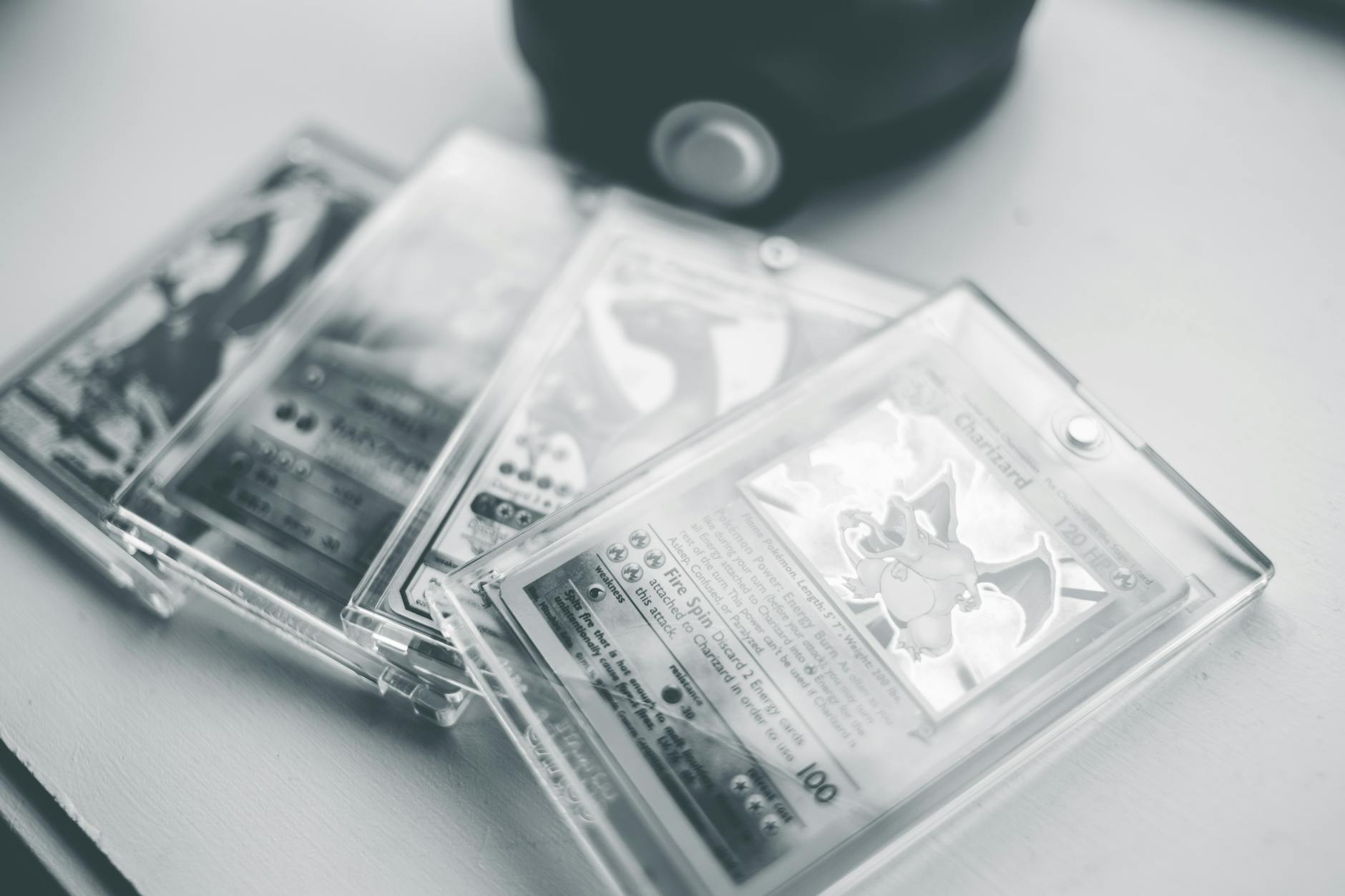
Base Set 2 contains several highly counterfeited cards, including Charizard, Blastoise, and Venusaur, which command higher prices and therefore attract more counterfeiting effort. Professor Oak, being a trainer card with moderate collector interest, likely sees less counterfeiting attention than these heavy hitters. If counterfeiters are choosing which cards to fake, they optimize for cards that generate the most profit—a fake Charizard sells for $50-200, while a fake Professor Oak Base Set 2 might sell for $5-20.
The economics push counterfeiters toward higher-value targets. This comparison suggests that the counterfeit volume for Professor Oak is probably smaller than for Charizard, but this is inference rather than data. The Pokémon card community would benefit from more transparency on this front, but until card graders or law enforcement agencies publish specific statistics, any “best estimate” remains speculation presented as fact.
Future Developments in Counterfeit Tracking and Data Transparency
The authentication industry is slowly moving toward better transparency. Some graders now publish annual security reports noting trends in counterfeiting attempts, though they rarely break data down by specific card. As blockchain authentication becomes more prevalent in the trading card space, future transactions may create auditable records of where cards traveled, potentially revealing counterfeit hotspots after the fact.
However, this won’t help with historical data—the Base Set 2 Professor Oak counterfeits from 10 years ago are already in circulation, and no retroactive count will recover them. The Pokémon Company has increased enforcement against counterfeit sellers, particularly on major platforms like eBay. This activity creates an indirect measure of counterfeiting—if enforcement reports describe shutting down 50 sellers per month selling fake Pokémon cards, that signals ongoing production—but it still doesn’t answer the specific question of how many Base Set 2 Professor Oak counterfeits exist.
Conclusion
The best estimate of how many counterfeit Professor Oak Base Set 2 Pokémon cards were printed is: there is no credible estimate, and none is likely to exist publicly. The nature of the counterfeit industry—secretive manufacturing, decentralized distribution, inconsistent seizure reporting, and closed-door authentication practices—makes precise quantification impossible. What exists instead are fragmented observations: authentication companies seeing occasional fakes, forums warning about counterfeit sources, and customs agencies reporting aggregate seizure volumes that don’t identify specific cards.
For collectors concerned about counterfeit Professor Oak Base Set 2 cards, the practical response is to invest in authentication knowledge, verify seller reputation, and submit high-value copies to professional graders. Focus on what can be known—whether a specific card in your hand is authentic—rather than on unknowable market-wide statistics. The absence of a published counterfeit estimate is not a research gap; it’s a reflection of how the collecting world actually works: transparency where it exists, and careful skepticism where it doesn’t.
You Might Also Like
- What Is the Best Estimate of How Many Imposter Professor Oak Shadowless Base Set Pokémon Cards Were Printed
- What Is the Best Estimate of How Many Imposter Professor Oak Base Set Unlimited Pokémon Cards Were Printed
- What Is the Best Estimate of How Many Imposter Professor Oak 1st Edition Base Set Pokémon Cards Were Printed