
There is no official estimate for how many Pikachu Base Set 2 cards were printed. Wizards of the Coast and The Pokémon Company have never publicly released production numbers for Base Set 2 or any individual card from that set. This absence of data creates significant uncertainty in the collector market—unlike some modern card games where print runs are tracked, Base Set 2’s production figures remain completely unknown to this day.
When someone claims to know the exact print run of Base Set 2 Pikachu, they are speculating based on secondary market indicators rather than citing documented production records. The lack of official print run data doesn’t mean Base Set 2 Pikachu is equally scarce as other cards from the era. Collectors have attempted to estimate relative scarcity by analyzing PSA grading populations, comparing centering quality across examples, and studying preservation patterns—but these remain educated guesses rather than confirmed data. For investment or collecting purposes, relying on these unofficial estimates carries real risk, particularly if you’re making pricing decisions based on assumed rarity levels.
Table of Contents
- What We Know About Base Set 2’s Release and Composition
- Why Pokémon Company Never Released Print Data
- How Collectors Estimate Relative Scarcity Without Official Data
- Grading Population and Market Availability as Practical Indicators
- Common Misconceptions and Why Print Run Estimates Circulate
- Practical Implications for Collectors and Investors
- Where Print Documentation May Exist but Remains Private
- Conclusion
What We Know About Base Set 2’s Release and Composition
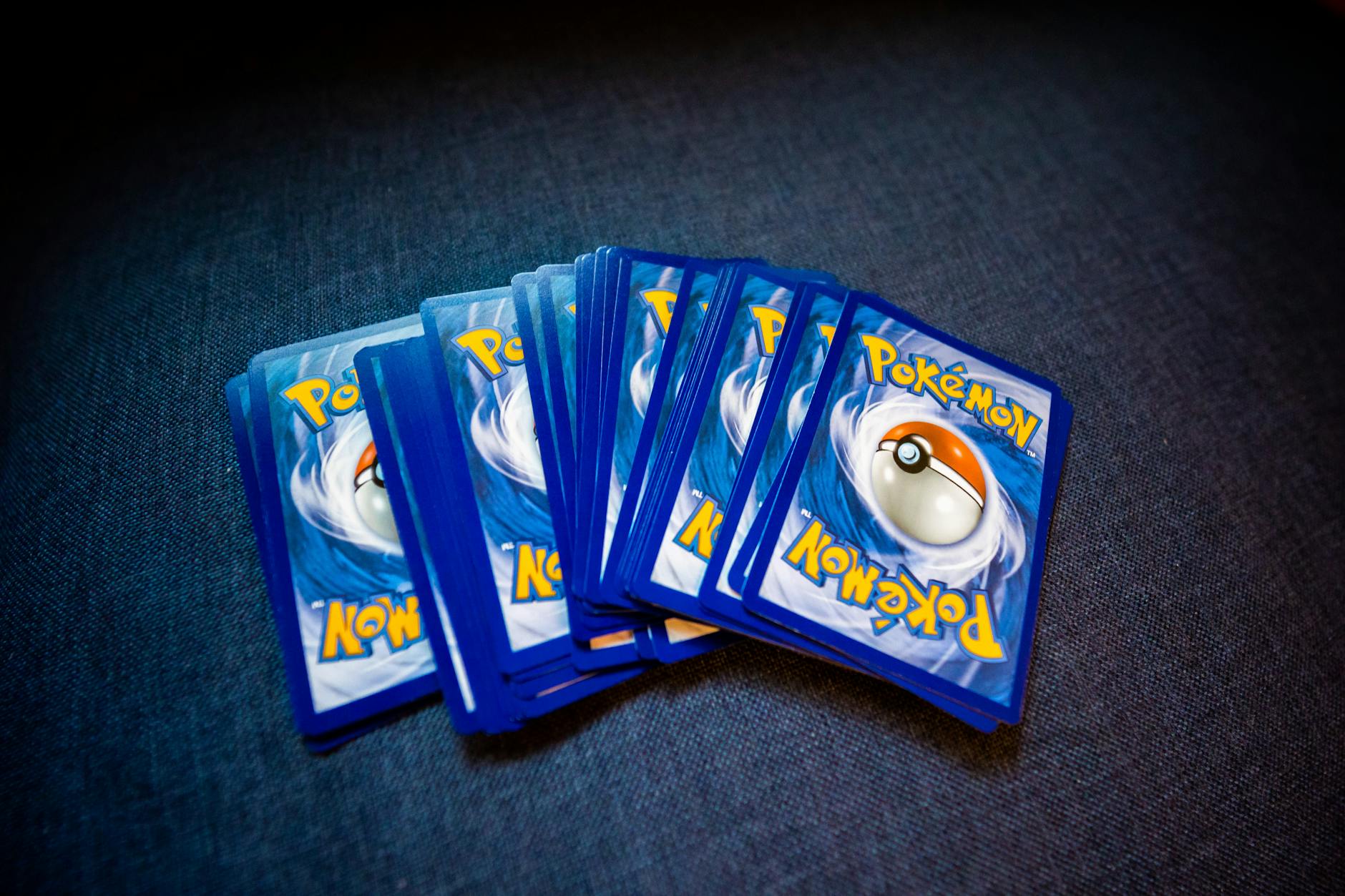
Base Set 2 was released on February 24, 2000, as a reprint set containing 130 total cards drawn from both the original Base Set and the Jungle expansion. Unlike contemporary TCG products that might carry print information on packaging or be tracked by distributors, Base Set 2 production details were never documented publicly. The set was printed in unlimited format only, meaning there is no “1st Edition” variant with a lower print run—all copies carry the same “Unlimited” designation regardless of when they were produced. pikachu appears in this set as card #87/130, a reprint of the character from the original Base Set.
The decision to release Base Set 2 as a reprint set suggests it was produced in substantial quantities to meet continued demand from 2000 retailers and collectors. However, “substantial” is relative—Base Set 2 production could have been anywhere from a few million to tens of millions of booster boxes. Without official documentation, any specific number is pure speculation. Some collectors theorize that Base Set 2 received lower print quantities than the original Base Set because the TCG market was more saturated by 2000, while others argue it may have been printed more heavily precisely because Wizards of the Coast was trying to meet residual demand. Both theories lack supporting evidence.
Why Pokémon Company Never Released Print Data
The Pokémon Trading Card Game in 2000 operated under different business models and documentation standards than modern card games. Wizards of the Coast managed the property for The Pokémon Company at the time, and neither company had a transparent, public-facing approach to disclosing production volumes. This contrasts sharply with modern games like Magic: The Gathering or competitive card games, where some (though still limited) print run information occasionally reaches collectors through industry leaks or retrospective interviews.
One practical limitation is that Base Set 2 was distributed through traditional retail channels using a system that didn’t require central tracking of individual set print volumes. Distributors ordered stock, retailers ordered from distributors, and the cards were sold—but no comprehensive database captured total production. Without that data existing in an accessible form, The Pokémon Company had no readily available figure to release decades later even if they wanted to. The company has since become more transparent about certain product announcements, but historical print run data for sets released 25 years ago is unlikely to ever surface.
How Collectors Estimate Relative Scarcity Without Official Data
Since print run numbers don’t exist, collectors have developed workaround methods to estimate which Base Set 2 cards might be rarer than others. One approach analyzes PSA grading population reports, assuming that if Pikachu Base Set 2 has been graded far fewer times than, say, a common card from the same set, it might indicate lower initial production or higher loss rates due to increased play demand. However, this method conflates multiple unknowns—fewer graded copies could mean lower initial print run, or it could simply mean fewer collectors bothered to grade a card they viewed as cheap or common. Centering quality is another indicator collectors examine.
If a significant percentage of Base Set 2 Pikachu examples show poor centering while other commons from the same set display better centering, this might suggest Pikachu was printed on different manufacturing runs with different quality control. The card #87/130 position in the print sheet could theoretically have been printed at a different factory or time than other cards, which would affect average condition. Yet centering variation can also reflect random manufacturing inconsistency rather than different print runs. Without knowing the original manufacturing specifications, this analysis remains circumstantial.

Grading Population and Market Availability as Practical Indicators
A more concrete, immediate indicator of a card’s scarcity is how easily you can find copies available for purchase at various price points. Base Set 2 Pikachu cards appear regularly on TCGPlayer, eBay, and other marketplaces in PSA 7-9 grades, typically priced between $30 and $150 depending on condition. If the card were extremely rare with a very low print run, you would expect lengthy sell-through times and dramatically higher prices. The consistent availability suggests Base Set 2 Pikachu was printed in sufficient quantity that decades of losses, damage, and sorting through collections have not depleted supply.
Comparing Base Set 2 Pikachu to other era cards provides context. Original Base Set Pikachu (1st Edition) regularly sells for $1,000 to $10,000+ in similar grades, while Jungle Pikachu and other early Pikachu variants occupy different price tiers. Base Set 2 Pikachu sits in the affordable category, which aligns with the assumption that either (a) Base Set 2 was printed heavily, or (b) Pikachu specifically was not a chase card in this reprint set. Either way, the market signals through steady supply and moderate pricing suggest this is not a scarce card.
Common Misconceptions and Why Print Run Estimates Circulate
A persistent misconception in collecting communities is that someone has “done the math” on Base Set 2 print runs based on sealed case listings or distributor shipment patterns. These estimates occasionally appear in forum posts or YouTube videos as if they represent fact, but they are always extrapolations from incomplete data. For example, a collector might find historical records showing that retailers received X cases of Base Set 2, then multiply by cards-per-case to estimate total production—but this method assumes they’ve found records for all retailers across all regions and all time periods, which is nearly impossible for a 2000 release.
Another trap is confusing total production with circulation. Even if someone could somehow determine that 500 million Pikachu Base Set 2 cards were printed initially, the number in good condition in collections today is far lower due to losses, damage, and disposal. Collectors sometimes quote inflated estimates without acknowledging that comparing “cards printed” to “cards surviving in PSA 7+ condition” requires two different datasets. A card that was printed abundantly 25 years ago can still be rare in high grades if most copies have been worn down by play.
Practical Implications for Collectors and Investors
For someone considering purchasing Base Set 2 Pikachu as a collectible or investment, the lack of known print data should inform your expectations. You cannot confidently claim that a Base Set 2 Pikachu is rare based on print run size because no print run size is established. Your valuation should instead rest on condition, eye appeal, market demand, and the card’s place in Pokémon cultural history. A PSA 10 Base Set 2 Pikachu might hold stronger appeal than a PSA 7 precisely because gem mint examples are demonstrably scarce—not because the original print run was tiny, but because achieving and maintaining pristine condition is difficult.
This reality also means that significant price movements in Base Set 2 Pikachu are driven primarily by broader market sentiment about Pokémon cards rather than the discovery of new scarcity information. If the entire Pokémon market cools, Base Set 2 Pikachu will likely decline in value. If nostalgia-driven buying surges, the card will appreciate. Print run estimates, even if someone successfully pinned down exact figures tomorrow, would be less influential to pricing than the current cultural appetite for Pokémon products and early-TCG memorabilia.
Where Print Documentation May Exist but Remains Private
It’s theoretically possible that The Pokémon Company or surviving executives from Wizards of the Coast have archived print run data that has simply never been made public. Industry insiders occasionally reveal historical details decades after the fact through interviews, books, or retrospectives. Base Set 2 print figures could theoretically emerge this way in the future, though there is no indication that anyone with access to these records is planning to disclose them.
Even if such a revelation happened, understanding what those numbers actually mean would require context about distribution, loss rates, and regional variations that may also be unavailable. The collector community’s best source for future information would be official Pokémon retrospectives, authorized company histories, or documented interviews with surviving Wizards of the Coast production managers. Lacking those, the current state of uncertainty is likely to persist indefinitely. For practical purposes, collectors should treat Base Set 2 Pikachu as a moderately available vintage Pokémon card whose value is based on condition, demand, and cultural significance rather than any proven scarcity from a documented low print run.
Conclusion
The best estimate for how many Pikachu Base Set 2 cards were printed is simply unknown—no official figures exist, and no credible secondary sources have successfully reconstructed actual production numbers. What we can confirm is that Base Set 2 was released February 24, 2000, as a 130-card reprint set with Pikachu as card #87/130, and that copies remain available in the collector market today, suggesting production was substantial rather than extremely limited. When evaluating Base Set 2 Pikachu for purchase or collection purposes, focus on verified factors like condition, PSA grade, and current market pricing rather than speculative claims about print runs.
Moving forward, approach any source claiming to know exact Base Set 2 Pikachu print quantities with skepticism. Use market indicators—how frequently the card appears for sale, at what price points, and in what grades—as your practical guide to understanding its actual scarcity. If you find a Base Set 2 Pikachu that appeals to you, the decision should rest on its condition and your enthusiasm for the card itself, not on a false sense of confidence in its rarity.
You Might Also Like
- What Is the Best Estimate of How Many Pikachu Shadowless Base Set Pokémon Cards Were Printed
- What Is the Best Estimate of How Many Pikachu Base Set Unlimited Pokémon Cards Were Printed
- What Is the Best Estimate of How Many Pidgey Shadowless Base Set Pokémon Cards Were Printed