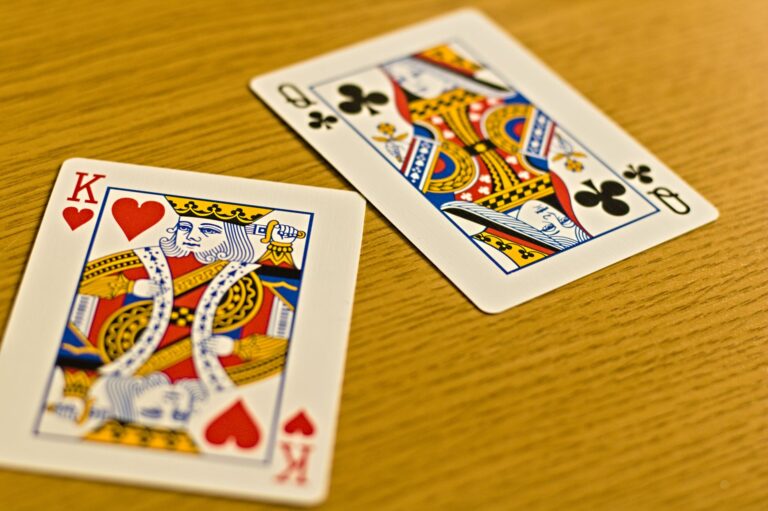
Collectors prefer raw cards primarily because they offer significantly lower costs, provide direct access to verify authenticity, and allow hands-on engagement with the cards themselves. While graded cards have dominated high-end collecting over the past decade, raw cards remain the preference for many serious Pokemon collectors who prioritize owning the actual cards over their certification status. A collector might spend $500 for a raw 1995 Base Set Charizard versus $2,000 or more for the same card encased in a graded slab, depending on the grade—and that price difference reflects real value retention and accessibility that appeals to a substantial segment of the hobby.
The appeal extends beyond economics. Raw cards represent a more transparent relationship between collector and card. You can inspect the printing quality, feel the card stock, check for imperfections firsthand, and make your own assessment of condition rather than relying on a grading company’s judgment. For many collectors, this direct interaction with the physical object is central to why they collect in the first place.
Table of Contents
- Why Raw Cards Attract Cost-Conscious and Value-Focused Collectors
- Direct Authenticity Verification and Avoiding Grading Disputes
- The Tactile Experience and Collecting Enjoyment
- Investment Flexibility and Future Grading Optionality
- Storage, Preservation, and Long-Term Maintenance Challenges
- Trading, Selling, and Market Liquidity Advantages
- The Evolution of Raw Card Collecting in an Increasingly Graded Market
- Conclusion
Why Raw Cards Attract Cost-Conscious and Value-Focused Collectors
The financial advantage of raw cards is substantial and undeniable. A lightly played raw Shadowless Charizard might sell for $1,200 to $1,800, while the same card graded psa 7 or 8 could fetch $4,000 to $8,000 or higher. This isn’t just a percentage difference—it’s a multiplier that compounds when building a large collection. A collector with a $5,000 budget can assemble a diverse collection of 20-30 raw cards versus perhaps three to five graded cards of comparable rarity.
This cost structure creates a more democratic collecting environment. New collectors with limited budgets can actually build meaningful collections of desirable cards, including modern high-value pulls and older rare cards, without needing significant capital. grading services charge $20 to $200 per card depending on turnaround time and card value, which means even a moderately valuable $500 raw card becomes a $525+ investment once graded—and that’s only for initial authentication, not the secondary market markup. The financial logic becomes clearer when considering that grading premiums don’t necessarily reflect card durability or long-term value. A raw card stored properly in a sleeve and top loader can remain in identical condition for decades, while a graded slab eventually shows aging signs through the plastic holder and label degradation.
Direct Authenticity Verification and Avoiding Grading Disputes
raw cards eliminate the intermediary between buyer and seller, meaning collectors can physically inspect the card before purchasing or can immediately verify claims about condition and authenticity. This transparency is particularly valuable for vintage purchases, where authentication discrepancies between grading companies and private collectors have created real friction in the market. A collector examining a raw card can spot reprint characteristics, paper stock inconsistencies, or other red flags that might indicate counterfeiting before committing funds. Graded cards introduce a limitation: once slabbed, the card itself becomes inaccessible for detailed inspection, and disputes about grading accuracy can become contentious. If you receive a graded card that you believe was overgraded, challenging that grade through regrading is expensive and time-consuming, with no guarantee of success.
Raw cards avoid this problem entirely. You accept the card’s condition based on visual inspection, and there’s no hidden risk of disagreement with a third-party grader. However, raw card purchases do carry authentication risk, particularly for high-value vintage cards. Counterfeits and restored cards exist in the raw market, and identifying them requires genuine expertise. This is the primary limitation of raw collecting—it demands more knowledge from the buyer and creates vulnerability to fraud that grading services theoretically mitigate.
The Tactile Experience and Collecting Enjoyment
Many collectors describe holding and examining cards as a primary pleasure of the hobby. Raw cards allow this fundamental experience; graded cards do not. You can feel the card stock texture, test the flexibility of a vintage card to gauge its condition, and observe light refraction on holo patterns under different angles. This sensory engagement connects collectors to the physical object in a way that slabbed cards cannot replicate. This preference ties to differing collector philosophies.
Investors view graded cards as commodities and certificates of value; hobbyists view raw cards as objects to be enjoyed. A collector might keep a raw Unlimited Blastoise in their deck box, show it to friends, and swap it with other collectors, creating social experiences around the card. The same card slabbed sits as a static, protected asset. The distinction matters for psychological satisfaction. Building a collection you can interact with, sort through, and display without protective barriers feels materially different from maintaining a portfolio of graded slabs. Many long-time collectors report regretting the transition to primarily graded cards because it removed hands-on enjoyment from the hobby.

Investment Flexibility and Future Grading Optionality
Raw cards provide optionality that graded cards do not. If a raw card appreciates significantly and remains in good condition, a collector can submit it for grading at any point and potentially realize the premium that accompanies a high-grade slab. This pathway is closed for graded cards—you cannot downgrade to raw status, and regrading is costly and rarely advantageous. Consider a scenario where a raw modern chase card, currently worth $300, becomes highly sought after and reaches $1,200 in a few years. The owner can submit it for grading, potentially turning a $300 investment into a $4,000+ graded version.
This upside option has real value and explains why astute collectors maintain some raw holdings even if they have significant graded collections. The comparison is direct: raw cards retain strategic flexibility that locked-in graded cards forfeit. The limitation here involves condition stability. Submitting a raw card for grading assumes it has not deteriorated. Poor storage, handling, or environmental exposure can diminish condition over time, eliminating the upside opportunity. Graded cards eliminate this risk through permanent preservation, which is why some collectors prefer the certainty of locking in a condition grade now rather than speculating on future condition.
Storage, Preservation, and Long-Term Maintenance Challenges
Raw cards require active preservation management that many collectors either neglect or underestimate. Proper storage demands acid-free sleeves, top loaders, storage boxes that don’t off-gas harmful chemicals, climate-controlled environments, and regular inspection for signs of deterioration. A single vintage card in improper storage—say, a sleeve that traps moisture or a box that becomes damp—can develop damage that, once present, is permanent. A Shadowless Charizard in near-mint condition can decline to excellent condition in one season of poor storage. Graded cards eliminate this active management. The slab provides standardized protection, and the condition grade is literally frozen in time.
A PSA 8 card will remain a PSA 8 card (at least on the label) indefinitely, even if the actual card inside eventually shows minor additional wear. This is a significant practical advantage for collectors who prioritize certainty over hands-on engagement. The warning is critical: raw cards demand vigilance. A collector who purchases 50 raw cards casually and stores them in a basement without climate control may find half of them measurably deteriorated within five years. Even acid-free materials degrade over time, and environmental factors like humidity fluctuations can cause holo spotting, edge wear acceleration, and corner damage. This creates a risk-management burden that graded cards completely eliminate.

Trading, Selling, and Market Liquidity Advantages
Raw cards are substantially easier to trade between collectors and can be sold through more channels with lower friction. A collector wanting to swap a raw card with a friend can do so instantly; exchanging graded cards often requires negotiation about market values and premium differences. Online marketplaces like eBay feature raw cards extensively, and private collector networks facilitate raw card trades regularly.
The liquidity advantage becomes clearer at lower price points. A raw $200 card can sell easily; a graded $200 card is far less liquid because many buyers perceive graded slabs as premium products only worth owning at higher values. This creates a sweet spot for raw cards in the $100-$500 range where trading remains frequent and sales are straightforward. A collector can rotate their collection, explore different cards, and respond to market movements more fluidly with raw holdings.
The Evolution of Raw Card Collecting in an Increasingly Graded Market
Despite grading’s dominance in high-end Pokemon card markets, raw collecting is experiencing renewed interest among younger collectors and those rebuilding collections post-market correction. The 2021-2023 Pokemon card market crash reduced graded card values disproportionately, leading some experienced collectors to reassess raw holdings more favorably. Raw cards maintained value better during the correction because they offer lower entry points and don’t carry the psychological baggage of paying premium slab prices on declining assets.
The future of raw collecting likely involves continued differentiation by collector type. Investors and wealthy collectors will dominate the graded market for high-value vintage cards. Mid-level and hobbyist collectors will remain heavily invested in raw cards because the economic and experiential trade-offs favor accessibility and enjoyment. As grading costs rise and slab prices continue to premium heavily over raw versions, the financial argument for raw cards only strengthens.
Conclusion
Collectors prefer raw cards because they align with core values: lower costs, authentic direct access, hands-on engagement, and investment flexibility. These advantages appeal to different collector motivations than grading does. If your priority is building a diverse collection you can actually interact with, verify personally, and potentially upgrade through future grading, raw cards remain the logical choice despite grading’s market prominence.
The raw versus graded decision ultimately reflects what you want from the hobby. Serious hobbyists and cost-conscious collectors should feel confident committing to raw cards. The key is proper storage, authentication awareness, and understanding that you’re taking on the responsibility that a grading service would otherwise handle. When managed well, raw cards deliver more value and more enjoyment than their cost suggests.