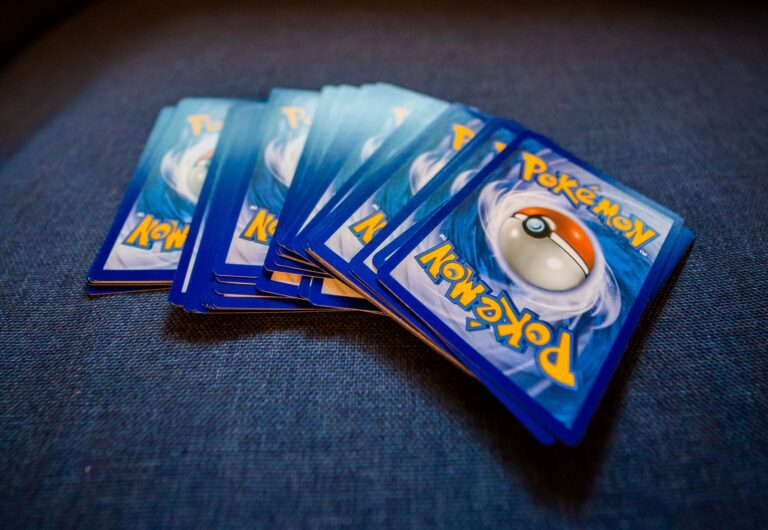
Vintage Pokémon commons are experiencing a sustained price increase driven by three main forces: surging demand from set completion collectors, the scarcity of high-grade specimens, and growing recognition that even basic cards hold long-term value. Cards that once sold for pennies—like the Base Set Meowth or Shadowless Weedle—now command $2 to $8 in near-mint condition, with some variants and first editions reaching $15 or higher. This isn’t the explosive growth seen in vintage holos or PSA 10 trophy cards, but it’s genuine, measurable appreciation that has fundamentally changed how serious collectors approach their pursuits. The shift reflects a maturing market. Five years ago, commons were filler—the cards you discarded while hunting for holographics.
Today, they’re recognized as essential building blocks of complete vintage sets. A Base Set without its full common lineup is incomplete, and collectors will now pay real money to fill those gaps. The supply is tighter than many realize because most commons from the 1990s were treated as worthless and disposed of or stored carelessly, leaving far fewer high-quality copies in circulation than the print runs originally suggest. This appreciation is different from nostalgia-driven bubbles. It’s built on legitimate scarcity, functional demand, and data showing that prices have held steady even through market corrections that wounded other card categories.
Table of Contents
- WHAT’S DRIVING DEMAND FOR VINTAGE POKÉMON COMMONS?
- THE SCARCITY STORY BEHIND BULK CARDS
- HOW GRADING HAS TRANSFORMED THE COMMONS MARKET
- COMPARING COMMONS TO UNCOMMONS AND HOLOS IN TODAY’S MARKET
- MARKET VULNERABILITIES AND WARNINGS FOR COMMONS COLLECTORS
- SEASONAL PATTERNS AND SOURCING OPPORTUNITIES
- THE FUTURE OF VINTAGE COMMONS IN A SHIFTING COLLECTOR LANDSCAPE
- Conclusion
- Frequently Asked Questions
WHAT’S DRIVING DEMAND FOR VINTAGE POKÉMON COMMONS?
The primary driver is the set collector demographic. These are players and investors who refuse to call a base set, Jungle, or Fossil collection complete without every card in the official checklist—commons, uncommons, rares, and all. This wasn’t always the dominant collecting behavior; years ago, commons were abandoned immediately. But as vintage inventory has aged and early collectors have matured into dealers and serious hobbyists, the standard has shifted. A complete Base Set now means 102 cards in consistent grades, not 30 holos and a pile of damaged commons. Secondhand supply amplifies this dynamic. When someone opens a $500 vintage booster box today, they’re hoping for graded holos, but they inevitably pull 70 or 80 commons.
Those cards have to go somewhere. Serious sellers grade and list even the commons now, because enough buyers exist to absorb inventory at profitable prices. Ten years ago, those same commons would have been thrown in a bulk lot or discarded. The infrastructure to monetize them has matured alongside demand. A real-world example: a near-mint Bulbasaur from Base Set (common, card #45) sold for $6.50 in early 2024, compared to $0.75 five years prior. It’s not a dramatic run-up, but it reflects accumulated collector demand and tightening supply. Uncommons and rares showed larger percentage gains in the same period, but commons proved more reliable—they held value through market downturns when speculation-driven categories collapsed.

THE SCARCITY STORY BEHIND BULK CARDS
Commons appear common because millions were printed, but condition scarcity is severe. A Base Set common in psa 8 or higher is genuinely rare—rarer than casual observers expect. The cards were printed on thinner stock than modern products, they were stuffed into thin booster packs with minimal protection, and most found their way into lunch boxes, rubber-banded stacks, and attic bins where humidity and light damage accumulated over three decades. Finding a copy with perfectly centered printing, clean edges, and unmarred surface is a needle-in-haystack exercise. This scarcity dynamic explains why commons rise alongside rares.
When fewer than 2% of Base Set Meowth copies grade PSA 8 or better, that card has real scarcity economics. Collectors chasing a high-grade set find themselves unable to source commons at any price on some days, then overpaying when one surfaces. This inelastic demand meets tight supply, and prices adjust upward. The limitation here is that bulk commons—played copies, moderately played copies, PSA 4-6 grades—remain nearly worthless. There’s a cliff. A PSA 7 Magikarp might sell for $8, while a PSA 4 copy sits unsold at $0.50.
HOW GRADING HAS TRANSFORMED THE COMMONS MARKET
The professionalization of grading services has been essential to the commons appreciation story. PSA, BGS, and Sportscard Grading all treat commons seriously now, offering affordable tier submissions and returning them in protective slabs. Before grading services became accessible, a near-mint common was nearly impossible to verify or sell confidently online. Buyers couldn’t trust the condition without opening the slab, and opening a slab destroyed resale value. The slab itself creates uniform presentation and third-party authentication that drives secondary demand. Grading also enables price discovery.
When every commons variant gets graded and listed on price-tracking databases, aggregate data becomes available. Collectors and dealers can see that PSA 8 Pidgeot (Base Set, #12) has moved in a consistent range for two years, anchoring expectations and reducing friction in trades. Without this transparency, the market would remain opaque, and commons would stay undervalued. Many vintage commons are still ungraded, sitting in player collections or small lots, representing dormant inventory that could be monetized if the owner understood current valuations. A specific example: the Squirtle common from Base Set experienced consistent grading volume through 2022-2024, with PSA 8 copies establishing a $5-7 price band. That volume and consistency made the card feel investable to new collectors, accelerating demand. Compare that to an equally scarce shadowless Clefairy (which had lower print volume), which still sees sporadic sales at wildly varying prices because grading submission volume is thin.

COMPARING COMMONS TO UNCOMMONS AND HOLOS IN TODAY’S MARKET
Commons appreciate more predictably than holos but faster than bulk cards. An expensive holo might double in five years, then stagnate or decline if speculation wanes. A commons set, by contrast, appreciates more steadily because demand is built on functional need (completion) rather than investment speculation. You can’t complete a Base Set without its commons; there’s no substitute. But holos have substitutes—another player can display a PSA 10 Blastoise or swap it for a CGC copy without compromising their collection philosophy. The tradeoff is upside potential. Rare holos occasionally spike 200-300% when a celebrity or celebrity athlete drives nostalgia demand. Commons rarely spike that dramatically.
Instead, they offer stability. A graded commons position is boring, which is exactly what disciplined collectors want. Commons are also far less vulnerable to reprint risk. The Pokémon Company has committed to respecting vintage product, but if reprints ever return (as they have with other trading card games), holos face direct price competition from fresh high-grade copies. Commons from Shadowless or 1st Edition printings are technically unreprinted, but even if a reprint happened, the vintage commons retain historical value. Budget also tilts the comparison. A collector with $200 to invest can buy twenty graded commons or one mid-grade holo. The commons position is more diversified and more likely to build toward a tangible asset (a complete set). The holo is a lottery ticket.
MARKET VULNERABILITIES AND WARNINGS FOR COMMONS COLLECTORS
The commons market is illiquid compared to popular holos. You can sell a PSA 10 Charizard in 48 hours; a PSA 8 Jigglypuff might take weeks to move even at a fair price. This matters if you need to exit a position quickly. Buying commons requires patience and opportunism; selling them requires acceptance that you may wait. Individual card sales sites and Facebook groups have reduced friction, but the buyer pool for any single common remains thin. Grade inflation is a lurking risk. If PSA standards drift or a competitor emerges with looser grading, the grade anchors that support commons pricing could weaken.
A card you bought as a PSA 8 could be resubmitted and downgraded, tanking its value. This is less likely for commons (which are scrutinized less than high-dollar holos) but remains a structural vulnerability. Authentication and grading service reputational stakes are high, so dramatic drift is unlikely, but gradual creep has occurred in the past. Condition risk is also real. Even slabbed cards can experience light exposure or humidity changes if stored poorly. PSA slabs aren’t hermetically sealed. A commons collection stored in a basement near a window could lose grade points over a decade. Serious collectors invest in climate-controlled storage, but casual collectors sometimes don’t, and that difference compounds over time.

SEASONAL PATTERNS AND SOURCING OPPORTUNITIES
Commons prices fluctuate seasonally. Supply surges after major set releases when vintage product opens for nostalgia. Demand peaks in January-February when collectors resume set-building after holiday breaks. Smart sourcing involves buying commons in April-May (post-spring release dump) when supply peaks and prices dip, then selling into the Q4 holiday season when demand increases.
The windows are typically 2-4 weeks, not dramatic, but consistent enough for active traders to capture. Estate sales and collection liquidations remain the best sourcing channels. When a longtime collector passes their collection or retires from the hobby, commons are often underpriced by the seller, who doesn’t understand current valuations. Dealers who monitor estate sales and local auction sites can acquire commons at 30-50% below market rates, then professionally grade and resell them for steady profit.
THE FUTURE OF VINTAGE COMMONS IN A SHIFTING COLLECTOR LANDSCAPE
The commons appreciation is durable because the economic driver—set completion demand—will likely outlast short-term speculation cycles. As older collectors age into estate sales, their complete vintage sets will fragment and recirculate, keeping commons in demand for the next cohort of builders. This is a 10+ year trend, not a 1-year bubble.
Wildcard factors include whether PSA maintains its market dominance and whether new supply enters from sealed vintage product. Large quantities of unopened vintage wax would devastate commons prices if dumped at once, but such supply is increasingly rare and expensive. The scenario remains unlikely but shouldn’t be dismissed entirely.
Conclusion
Vintage Pokémon commons are rising because high-grade specimens are genuinely scarce, functional demand from set collectors is real, and grading services have created transparent markets where commons can be priced and traded efficiently. Unlike speculation-driven categories, commons appreciation is tethered to actual collector needs and inventory constraints, making the trend stable. If you’re building a vintage set, expect to pay premiums for commons in PSA 7-8 grades, particularly for earlier printings like Shadowless and 1st Edition.
The cost per card is modest—$5-15—but across a full set it accumulates. Budget accordingly and source opportunistically during seasonal supply surges to minimize total cost. For investors, commons offer boring but reliable appreciation, the kind of asset that compounds quietly over years without requiring constant attention or updates to the market narrative.
Frequently Asked Questions
Are vintage commons actually worth grading?
Only if they’re near-mint (PSA 7 or higher) and from early printings like Shadowless or 1st Edition. Played copies and lower grades remain bulk inventory. Grading costs $20-40 per card, so the underlying card must have $8+ upside to justify the expense.
Which commons appreciate fastest?
Shadowless and 1st Edition printings, particularly from Base Set, Jungle, and Fossil. Shadowless commons are the rarest, but 1st Edition carries stronger collector prestige. Unlimited and later printings appreciate more slowly.
Should I buy commons or holos with limited budget?
Commons offer better portfolio stability and diversification; holos offer higher upside and resale speed. A mixed approach (70% commons, 30% holos) balances both priorities.
How do I verify a commons price trend?
Use price-tracking sites like TCGPlayer, eBay sold listings, or specialist Pokémon pricing databases. Compare PSA grades carefully—a PSA 6 and PSA 8 are different markets entirely.
Are modern commons collectible or investable?
Not significantly. Modern print runs are large, damage-resistant packaging is standard, and high-grade copies are abundant. Vintage is where scarcity and appreciation occur.
What’s the biggest risk in commons collecting?
Liquidity and authentication changes. Commons take longer to sell than holos, and grading standard drift could erode your grade anchors. Avoid all-in positions in any single card.