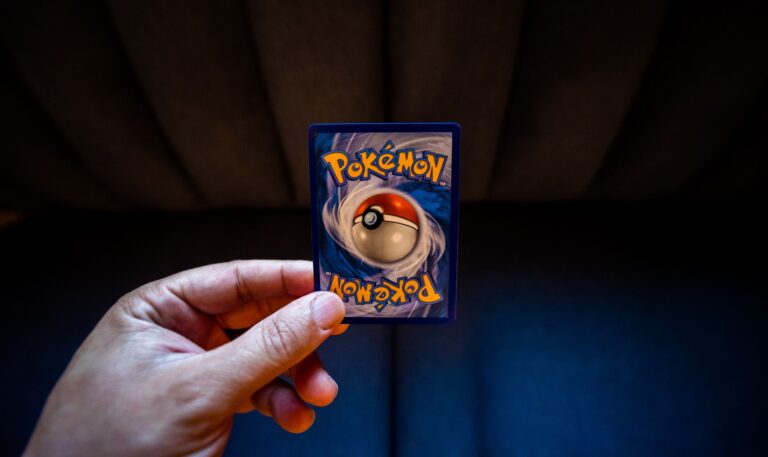
The single most important rule of thumb for valuing any Base Set Fighting Energy card is this: condition is the primary driver of value, far more than any other factor. A near-mint Base Set Fighting Energy can fetch several times the price of a played or heavily damaged copy of the same card, even though they’re technically the same card. Unlike rare Pokémon cards where rarity and artwork drive desirability, energy cards occupy a unique position in the market where their utility and collectibility are almost entirely determined by how well they’ve been preserved.
Most collectors underestimate just how dramatically condition affects energy card pricing. A Base Set Fighting Energy in PSA 9 (mint condition) might sell for $15-25, while an identical card in PSA 6 (excellent-mint) could drop to $3-5. This 5-8x price difference exists because mint condition Base Set energies are genuinely scarce—most were actually played with rather than stored carefully, making pristine copies rare and desirable both for collectors building complete sets and for investors.
Table of Contents
- Why Base Set Fighting Energy Values Hinge on Preservation
- The Grading Scale’s Impact on Base Set Fighting Energy Markets
- Print Variations and Shadowless vs. Unlimited Printings
- Practical Methods for Valuing Base Set Fighting Energy Cards
- Common Mistakes When Pricing Base Set Fighting Energy
- Market Supply and Collector Demand Dynamics
- Future Outlook for Base Set Fighting Energy Values
- Conclusion
- Frequently Asked Questions
Why Base Set Fighting Energy Values Hinge on Preservation
base Set Fighting Energy cards were printed in massive quantities between 1999 and 2000, which means raw supply is abundant. However, the vast majority of these cards entered the hands of kids who used them in decks, traded them, bent them, and generally treated them as expendable game pieces rather than collectibles. This created an inverted market dynamic: while the card itself is common, a well-preserved copy is genuinely scarce.
The preservation gap explains why professional grading services like PSA and BGS command premium prices for Base Set energies. A player-grade copy you might pick up for 50 cents tells you almost nothing about potential value, but that same card in a PSA 10 slab can list for $40-60 to specialized collectors. The grading becomes the value proposition—you’re paying for verification that the card has survived decades in exceptional condition, not for the card’s rarity or gameplay utility.
The Grading Scale’s Impact on Base Set Fighting Energy Markets
Understanding the PSA grading scale is essential because the jumps between grades don’t represent linear value increases—they’re exponential. The difference between a PSA 8 and a PSA 9 on a Base set Fighting Energy might represent a $5-10 value swing, but jumping from PSA 9 to a PSA 10 (gem mint) can mean an additional $15-25 premium. This happens because gem mint copies—cards with virtually no visible wear under normal inspection—are genuinely hard to find.
One major limitation collectors face is that condition grading is subjective at the margins. PSA has grading standards, but evaluating whether a card qualifies as an 8 or a 9 involves judgment calls about centering, corners, edges, and surface quality. This means two different graders might assess the same Base Set Fighting Energy differently, and if you’re buying ungraded copies hoping to submit them for grading, there’s real risk of disappointment. A card you believe is a solid 8 might come back as a 7, instantly reducing its value by 30-50%.
Print Variations and Shadowless vs. Unlimited Printings
Base Set Fighting Energy exists in two major print versions: shadowless (early 1999 printings) and unlimited (later 1999-2000 printings). The shadowless version, identifiable by the absence of a black border shadow around the card’s edge, commands a premium—sometimes 2-3x the price of an unlimited equivalent. A shadowless Base Set Fighting Energy in PSA 8 might sell for $30-40, while an unlimited version in the same grade might move for $10-15.
This print variation rule applies across all Base Set energy cards, but Fighting Energy presents a specific consideration: it was one of the earliest cards printed, meaning shadowless copies saw the highest print volumes before the unlimited designation took over. The rarity paradox here is that while shadowless copies are technically scarcer and more valuable, unlimited copies are also genuinely hard to find in high grades because they’re older and more worn. The smart collector understands that you can’t assume unlimited energies are “cheap”—a PSA 9 unlimited Fighting Energy is still a serious purchase, often $20-35.

Practical Methods for Valuing Base Set Fighting Energy Cards
The most reliable approach to valuing Base Set Fighting Energy is comparative market analysis using recent sales data from platforms like TCGPlayer, eBay sold listings, and specialized graded card marketplaces. Don’t rely on asking prices (what sellers hope to get)—focus on actual sold prices, which reflect what collectors truly value. Over the past 12 months, PSA 9 shadowless Base Set Fighting Energy cards have consistently sold in the $20-28 range, while unlimited versions in PSA 8 stabilize around $8-12.
When evaluating an ungraded Base Set Fighting Energy in your collection or at a card show, use a simple rubric: examine the centering (is the image centered or off to one side?), check for corner rounding or creases, inspect edges for wear, and look at the surface for scratches under light. A card with good centering, sharp corners, clean edges, and a pristine surface might reasonably be estimated at PSA 8-9 territory. However, this is where the condition rule becomes a warning: overestimating a card’s grade can lead to bad buying decisions. If you’re considering buying a Base Set Fighting Energy that the seller claims is “near mint,” request detailed close-up photos of corners and edges before committing.
Common Mistakes When Pricing Base Set Fighting Energy
The biggest mistake collectors make is conflating “looking good to the naked eye” with “high grade.” Many Base Set Fighting Energy cards can appear acceptable at arm’s length but have subtle centering issues, edge wear, or surface scratches visible under magnification. This is why cards that seem like obvious PSA 8s frequently come back graded as 7s or even 6s. The frustration is real—you thought you had a $15 card and received one worth $4. Another critical mistake is ignoring the shadowless vs.
unlimited distinction or not understanding print variations within each category. There are actually multiple shadowless printings with subtle differences in card stock and print quality, and some are legitimately scarcer than others. A collector might purchase what they believe is a standard shadowless Base Set Fighting Energy only to discover it’s a first-edition-style printing with unique characteristics. Before spending serious money on a high-grade copy, educate yourself on these variations through collector forums and reference guides.

Market Supply and Collector Demand Dynamics
Base Set Fighting Energy cards exist in an interesting market segment where supply is abundant but high-grade supply is constrained. The market is driven largely by set collectors building complete Base Set collections and serious vintage card investors. Demand tends to spike when Base Set cards gain media attention or when nostalgic collectors return to the hobby, but Fighting Energy cards rarely appreciate in value faster than the general market—they’re stable holdings rather than appreciation plays.
One practical example: during the 2020-2021 Pokemon card boom, PSA 9 Base Set Fighting Energy prices held relatively steady around $20-25, while rare holos like Base Set Charizard increased 10-15x. This price stability is actually beneficial if you’re a long-term collector because it means you’re not overpaying based on temporary hype, but it also means don’t expect significant appreciation. The card’s value is anchored to condition and its role in complete set collecting rather than driven by scarcity or collectibility factors.
Future Outlook for Base Set Fighting Energy Values
The long-term trajectory for Base Set Fighting Energy appears stable rather than bullish. As more collectors focus on PSA grading and preservation, the relative value premium for high-grade copies will likely persist or even grow slightly. However, the absolute price ceiling is probably limited—even perfect copies are unlikely to exceed $60-80 because they’re inherently less desirable than holos or rare cards.
One forward-looking consideration is the emergence of alternative grading services and the potential for BGS/Beckett grading to gain market share in Pokemon cards. BGS grades have historically commanded premiums in trading card markets, and if BGS expands its Pokemon card offerings, the valuation landscape for Base Set Fighting Energy might shift. For now, PSA dominates, but serious collectors should monitor grading service developments.
Conclusion
The rule of thumb for valuing Base Set Fighting Energy ultimately rests on a simple foundation: condition determines value, and condition is scarce. A well-preserved Base Set Fighting Energy is a legitimate collectible and a stable investment within the vintage card market, while a played copy is essentially worthless beyond sentimental value. When evaluating any Base Set Fighting Energy—whether you’re buying, selling, or assessing your own collection—start with an honest condition assessment before considering any other factors.
Your next step should be to establish a baseline understanding of current market prices by reviewing recent sales on TCGPlayer and eBay, then examine any Base Set Fighting Energy cards in your possession under proper lighting to honestly assess their condition. If you find a high-grade copy, grading it through PSA can unlock its true market value. If you find player-grade copies, enjoy them for what they are—functional collectibles from the game’s origin era—rather than expecting significant monetary returns.
Frequently Asked Questions
What makes a Base Set Fighting Energy worth more than a modern Fighting Energy card?
Base Set cards from 1999-2000 carry historical significance as the origin of the Pokemon TCG, and shadowless printings in particular are scarcer. The card stock and print quality also differ, making genuine high-grade Base Set copies rarer than modern reprints.
Should I get my Base Set Fighting Energy card graded if it looks mint?
Only if you’re planning to sell it or have it authenticated. Grading costs $20-40 per card and makes sense for cards with genuine PSA 8+ potential and market value exceeding $10-15. For personal collections, raw cards are fine.
How do I tell the difference between shadowless and unlimited Base Set Fighting Energy?
Examine the right edge of the card back. Shadowless cards lack the black border/shadow line that frames the text box on unlimited cards. It’s a clear visual difference once you know what to look for.
Is Base Set Fighting Energy a good investment?
No. It’s a stable collectible, but the price appreciation is modest compared to rare holos or first editions. Buy it if you need it for a set collection or enjoy vintage cards, not as a speculative investment.
What’s the difference between a PSA 8 and PSA 9 Base Set Fighting Energy in practical terms?
A PSA 8 has minor wear visible under close inspection (slight corner wear, possible centering issues). A PSA 9 has minimal wear that requires magnification to detect. The price difference is usually 50-100%, making the PSA 9 the target grade for serious collectors.
Can I accurately grade my own Base Set Fighting Energy cards?
Not reliably. Grading involves calibration against hundreds of reference cards and professional lighting. Most collectors overestimate their cards’ grades by 1-2 points. If accuracy matters to you, submit to PSA or BGS for official assessment.